Latest AI assistant & agent patents, Page 26
Assistants that answer and agents that act: filings covering AI that books, schedules, remembers, and gets things done without being walked through every step. We track where tech companies think the autonomy line sits.
- in the Nov 19 release
- 23
- in November so far
- 69
- filings tracked
- 436
- last 90 days
- 233
Recent filings
Newest first · 436 total-
Microsoft · Published Jul 16
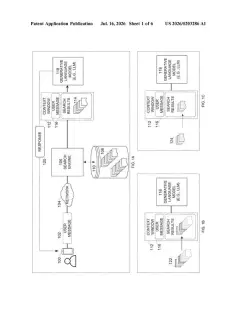
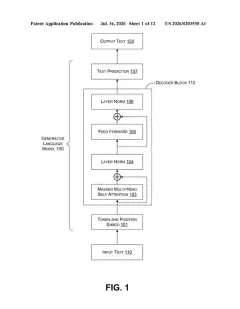
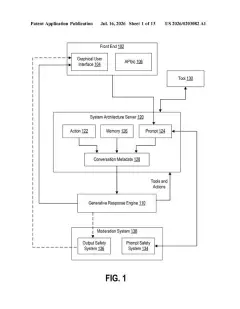
Microsoft Patent Teaches AI Chatbots to Verify Facts Before Generating Responses
AI chatbots are famously bad at sticking to the facts. Microsoft's latest patent describes a pipeline where one AI figures out exactly what to look up, and a second AI uses only those results to write the answer.
-
Salesforce · Published Jul 16
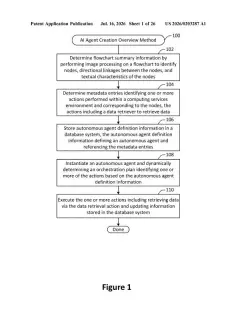
Salesforce Patent Reveals System That Builds AI Agents From Flowcharts
Most companies already draw out their business processes as flowcharts. Salesforce is now patenting a way to take that diagram and automatically build an AI agent that carries out every step, no extra coding required.
-
Intel · Published Jul 16
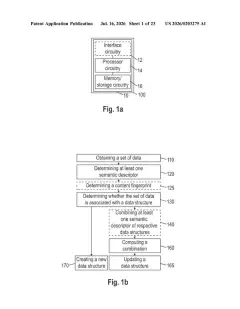
Intel Patent Uses Fading Semantic Tags to Maintain Accurate Data Relevance
Intel is patenting a system that gives data a kind of memory, one that automatically lets old descriptions fade and new ones take over, like a running average of what a file or dataset actually represents right now.
-
OpenAI · Published Jul 16
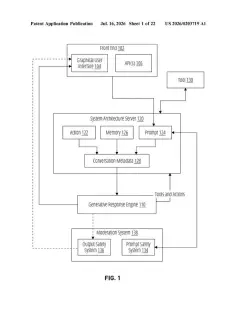
OpenAI Patents a System That Teaches AI Chatbots to Read Time and Schedule Tasks
Tell an AI 'remind me about this after the holidays' and it actually knows what you mean. That's the core idea behind this OpenAI patent, which aims to give language models a real sense of time.
-
Microsoft · Published Jul 16
New Patent Teaches AI Chatbots to Learn From Search Logs
Microsoft is working on a way to make AI chatbots dramatically more accurate by feeding them structured data pulled directly from real search logs, so the AI knows not just what you asked, but what things you were actually looking for.
-
Intel · Published Jul 16
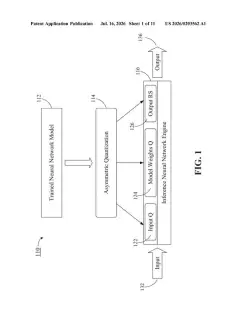
New Patent Cuts Math Load on AI Models Running on Your Device
Running a trained AI model is cheaper than training one, but 'cheaper' is relative. Intel's latest patent describes a way to shrink the numbers inside a deployed model so it computes faster and uses less memory, without meaningfully degrading what it actually outputs.
-
OpenAI · Published Jul 16
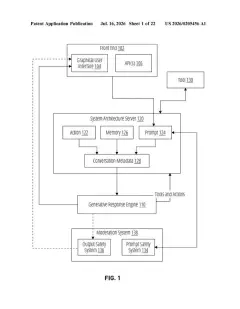
OpenAI Patents Technology Letting AI Act as a Personal Delegate for Users
OpenAI is patenting a way for its AI to not just answer your questions, but actually stand in for you, taking actions, scheduling tasks, and holding conversations with other systems on your behalf.
-
Salesforce · Published Jul 16
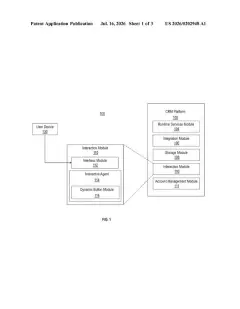
Salesforce Patents Chatbot Buttons That Update Based on Your Account History
Instead of giving you a generic list of options, Salesforce's AI assistant would show you buttons tailored to your specific account and the conversation you're already having. The suggestions change as you talk.
-
OpenAI · Published Jul 16
OpenAI Patents a Web-Browsing Bot You Can Take Over at Any Moment
OpenAI has filed a patent for a system where an AI handles a web browser on your behalf in the cloud, but you can jump in and take control whenever you want, mid-task, without stopping anything.
-
Sony · Published Jul 9
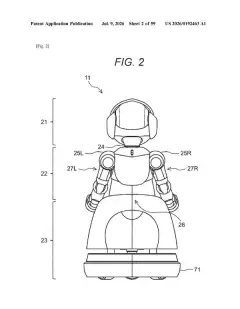
Sony Patent Targets Smarter Personalized Content Delivery for Nursing Care Robots
Sony is building a brain for nursing care robots that reads a patient's personal profile and decides, on its own, what to show them or do for them. Think of it as a care assistant that gets to know you.
-
IBM · Published Jul 9
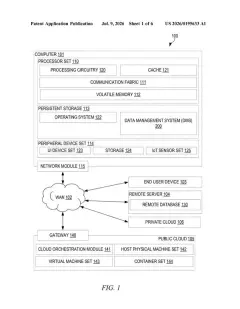
IBM Patents an AI Chatbot That Flags Its Own Uncertain Answers Before Trying Again
Most AI chatbots give you one answer and move on, even when that answer rests on assumptions you never confirmed. IBM is patenting a system that makes the chatbot stop, highlight those assumptions, and ask you to verify them before it tries again.
-
IBM · Published Jul 9
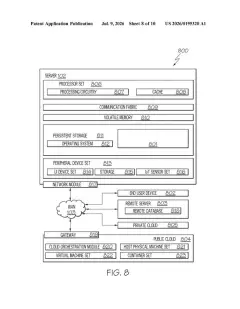
IBM Patents a System That Moves Database Data Before You Even Ask for It
IBM wants to teach a database system to read the future, at least well enough to move the data you're about to need into fast memory before you ask for it. The idea is to cut the waiting time that happens when a query has to pull data from slow storage.