
Samsung Patents a Conflict-Reduction Method for 5G and 6G Network Area Updates
Every time your phone moves between areas of a 5G network, it has to check in with the network. Samsung's new patent tackles a specific situation where many phones trying to do that at once can cause conflicts.
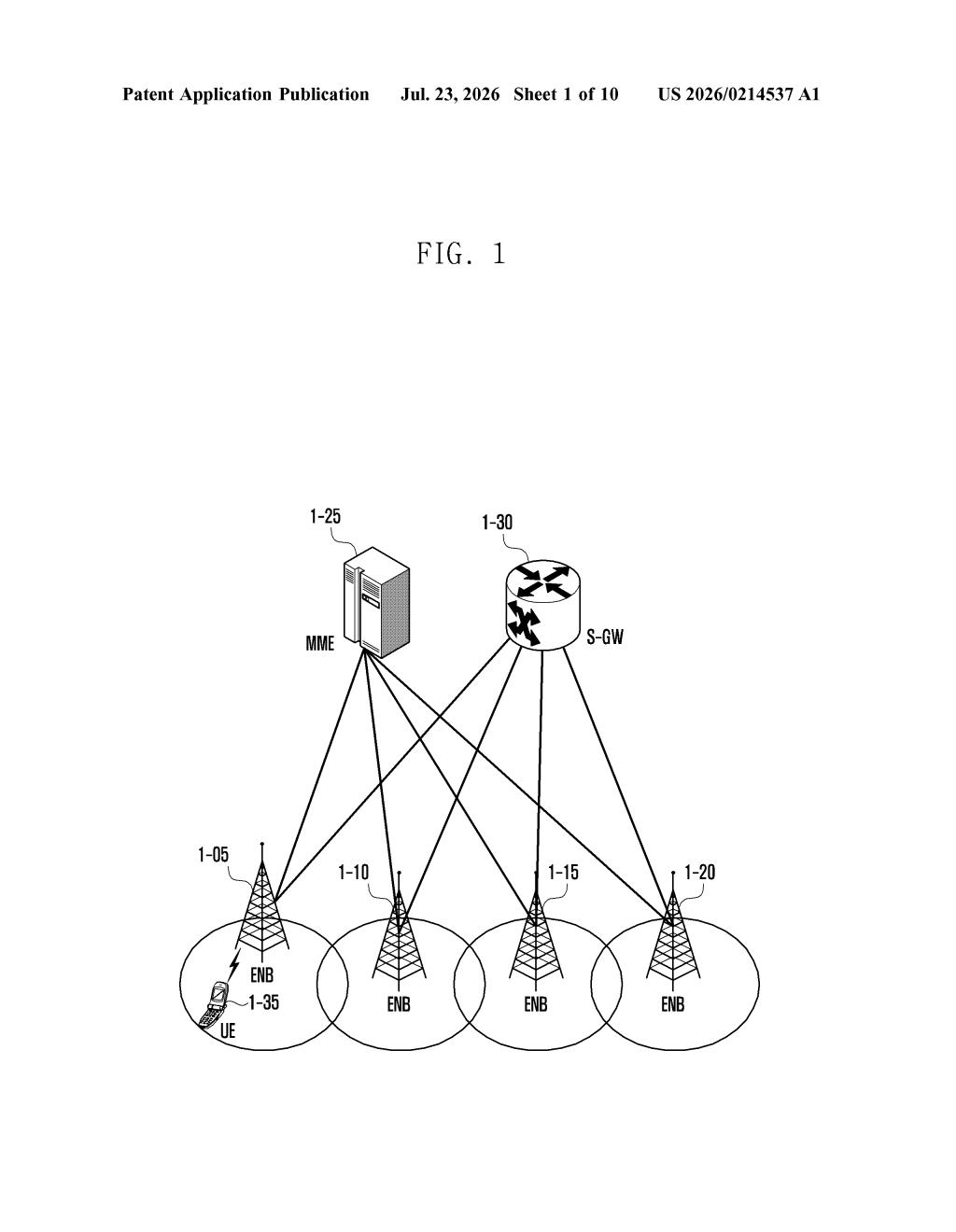
How Samsung's patent cuts 5G network check-in conflicts
Imagine a busy train station where dozens of passengers all try to swipe their transit cards at exactly the same time. The readers jam up. Something similar can happen in 5G and 6G cellular networks when many phones simultaneously try to notify the network that they've moved into a new coverage area.
Samsung's patent describes a method for your phone to handle this more carefully in a specific type of network setup called a "mobile backhaul" system, where some of the network equipment itself can move (think antennas mounted on buses or trains). In this setup, your phone checks whether it already has permission to send a location update before it tries to send one.
If your phone doesn't already have that permission stored, it sends a specific request message to the network asking for one before proceeding. That extra step helps prevent a situation where many phones all shout their location updates at the same moment, reducing the kind of traffic jams that can slow down or drop connections.
How the terminal identifies mIAB cells and requests UL grants
The patent describes a process that runs on a phone (called a "terminal" in telecom language) when it switches from one cell to another in a mobile Integrated Access and Backhaul (mIAB) network. MIAB is a setup where network relay nodes can themselves be mobile, like antennas on moving vehicles, which introduces extra complexity compared to fixed cell towers.
The process works in three steps:
- The phone detects that it has just connected to an mIAB cell through a process called cell reselection (the automatic handoff your phone does when moving between coverage zones).
- The phone checks its own memory for a stored Uplink (UL) grant, which is essentially a pre-issued permission slip from the network to send data upward to the tower.
- If no stored grant exists, the phone sends an RRC Resume Request message (a formal signal in 5G's control language asking to re-establish a network connection) that includes a flag requesting that grant before proceeding with the location update.
The key insight is that by checking for permission before transmitting, phones avoid all simultaneously flooding the network with RAN Notification Area Updates (RNAUs), which are the messages that tell the network which geographic zone a phone currently occupies.
What this means for 5G and 6G network reliability
In standard fixed 5G networks, location update conflicts are a known but manageable problem. In mobile backhaul networks, where relay equipment itself moves, the problem gets worse because the network topology changes constantly, and many phones may trigger location updates at the same moment when a moving relay node shifts.
For everyday users, this kind of conflict shows up as brief connection drops, delayed notifications, or sluggish data right after your phone switches cell coverage. If 5G and especially 6G networks are going to support dense deployments on public transit or in stadiums, this type of low-level coordination becomes genuinely important. Samsung, as both a major handset and network equipment maker, has a practical interest in solving it on both sides.
This is deep infrastructure plumbing, and it won't excite anyone outside a cellular standards meeting. But Samsung is one of the few companies that builds both the phones and the network gear, so a patent like this reflects real engineering work rather than defensive filing. Mobile backhaul is a growing part of how carriers plan to extend 5G coverage without laying more fixed cables, and getting the edge cases right early matters.
There are more where this came from
We read every patent application Big Tech publishes and send you the ones worth knowing. Plain English, free, every week.
The drawings
10 drawing sheets from US 2026/0214537 A1 · click any drawing to enlarge


Want this weekly breakdown for a company we don't cover? Patentlyze Pro →
Be the first to weigh in