
Samsung Patents a Way to Run 5G on Frequency Bands Too Narrow for Current Standards
Most 5G networks need at least 5 MHz of radio spectrum to function — Samsung is filing patents to change that floor, potentially opening 5G to frequency bands that current standards simply can't use.
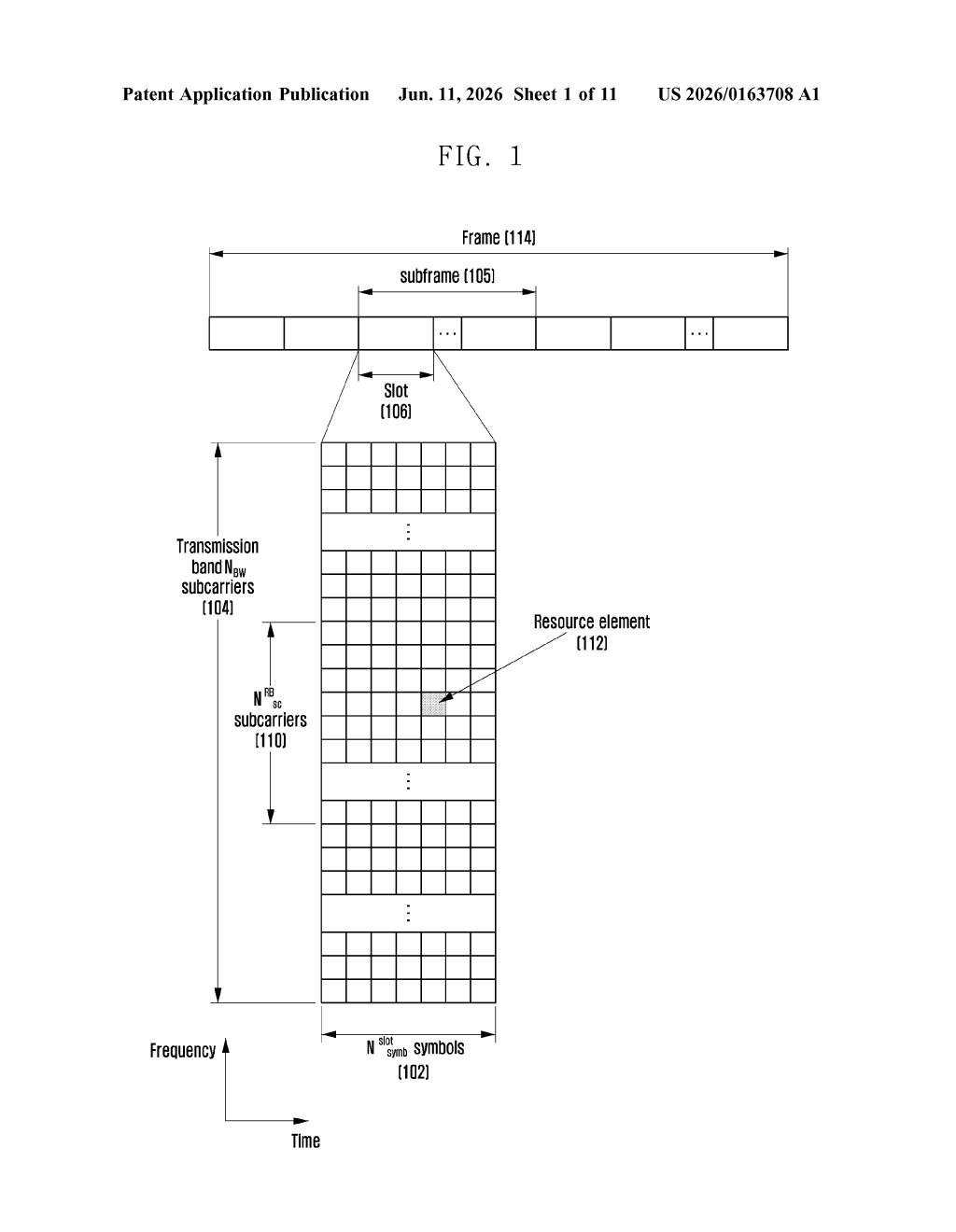
What Samsung's sub-5 MHz 5G trick actually does
Imagine trying to pour a river through a garden hose. That's roughly the problem here: 5G networks need a certain amount of radio "space" — called bandwidth — to send the setup signals that let your phone find and connect to a tower. Right now, that minimum is 5 MHz. Any slice of spectrum narrower than that is essentially off-limits for 5G.
Samsung's patent describes a method that lets a base station and a phone negotiate a connection even when the available spectrum is smaller than that 5 MHz threshold. The system uses a compact lookup table baked into the initial connection message to tell your device exactly how to decode control signals under those cramped conditions.
This kind of tight-bandwidth operation matters most in two places: low-power IoT sensors that only need a trickle of data, and rural or spectrum-constrained regions where operators hold narrow legacy frequency licenses they'd love to repurpose for 5G without buying new spectrum.
How the MIB index table squeezes control signals into narrow bands
When a phone first connects to a 5G cell tower, it reads a Master Information Block (MIB) — a tiny broadcast message that acts like a directory, telling the device where to look for further instructions. One of those instructions points to a CORESET (Control Resource Set), which is the specific chunk of radio resources reserved for control signals.
Currently, the standard assumes at least 24 Resource Blocks (RBs) — the basic units of radio spectrum in 5G — are available for that control channel. Samsung's patent introduces an expanded index table inside the MIB that can reference configurations with fewer than 24 RBs, covering channel bandwidths below 5 MHz that the existing spec never defined.
The flow looks like this:
- The base station broadcasts a MIB flagged for a sub-5 MHz frequency band.
- The MIB contains one index from a new, larger lookup table that encodes both the number of RBs and the number of OFDM symbols (time-domain slots) allocated to the control channel.
- The phone uses that index to configure its receiver, then decodes the PDCCH (Physical Downlink Control Channel — the signal carrying scheduling orders) and finally pulls down full system information.
By packing the configuration into a single index value rather than sending extra signaling, the method keeps overhead minimal — critical when the entire available spectrum is already tiny.
What this means for IoT devices and rural 5G rollout
For most smartphone users, this patent won't change anything noticeable. But for the engineers designing 5G-connected sensors, smart meters, and industrial IoT devices, it's meaningful: those devices often sit in frequency bands carved out before 5G existed, and today they can't use 5G at all. This method could let operators light up those legacy bands without a spectrum auction.
There's also a rural coverage angle. Some regional carriers in developing markets hold narrow-band licenses that are perfectly legal to use but too small for standard 5G. A sub-5 MHz 5G capability could let those operators skip straight to next-generation connectivity rather than upgrading through older standards — a pragmatic path that aligns with where 6G standardization discussions are already heading.
This is a cellular standards patent, which means it's dry reading — but it's not trivial. The push to squeeze 5G into sub-5 MHz bands is a real gap in the current spec, and Samsung is one of the companies most likely to get traction on this in 3GPP standardization bodies. If this approach gets incorporated into a future 5G or early 6G standard, the payoff is measurable: more spectrum becomes usable without buying more of it.
There are more where this came from
We read every patent application Big Tech publishes and send you the ones worth knowing. Plain English, free, every week.
Want this weekly breakdown for a company we don't cover? Patentlyze Pro →