
Intel Patents a 5G Location Method That Reads Multiple Frequencies at Once
GPS works great outdoors, but inside buildings and dense cities it struggles badly. Intel is patenting a way for 5G devices to nail their location by listening to positioning signals across several radio frequencies at the same time.
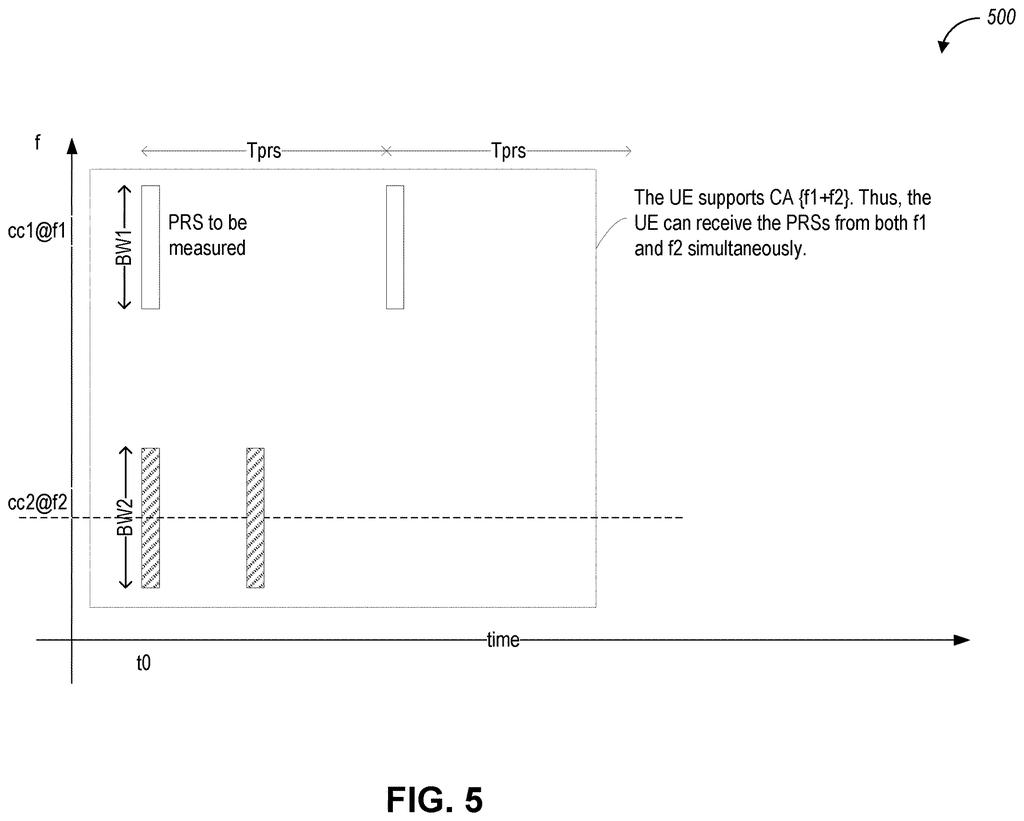
How Intel's multi-frequency 5G positioning actually works
Imagine you're trying to find your exact seat in a packed stadium using your phone, but the signal is weak and the location reading keeps jumping around. That's roughly the problem indoor and urban 5G positioning faces today.
Intel's patent describes a method where your device tells the nearby cell tower: "I can listen to location signals on multiple radio frequencies at once." The tower then sends those signals out, your phone receives all of them simultaneously, and it combines the data to figure out where you are much more precisely.
The key insight is that wider coverage across the radio spectrum gives the positioning math more to work with, the same way triangulating from more landmarks gives a surveyor a more accurate reading. This is aimed at 5G networks and whatever comes after them.
How the UE aggregates positioning signals across bands
The patent centers on a process called Positioning Reference Signal (PRS) bandwidth aggregation. A Positioning Reference Signal is a special beacon a cell tower broadcasts specifically so devices can measure their location, not to carry data, just to help with positioning.
Normally a device receives these signals on a single slice of radio spectrum. Intel's approach lets a device receive multiple PRS signals simultaneously across different frequency bands, then combine all those measurements into a single, more accurate location fix.
The workflow the patent describes involves three steps:
- The device sends a capability report to the base station via RRC signaling (Radio Resource Control, the protocol phones use to negotiate features with a tower), declaring it supports multi-frequency PRS reception.
- The base station, now knowing the device can handle it, transmits positioning signals on several frequencies at the same time.
- The device performs its location measurements using all those signals together and sends the results back to the network.
The patent is filed under Intel's modem work and targets 5G NR (New Radio) and future generations of cellular standards.
What this means for 5G location accuracy indoors
Indoor and dense-urban positioning is one of the genuinely hard problems in cellular networks. GPS signals don't penetrate buildings well, and today's 5G location accuracy in those environments is often measured in meters when applications like emergency services, asset tracking, or AR navigation need it measured in centimeters.
Aggregating positioning signals across multiple frequency bands gives the system more signal diversity to work with, which directly helps accuracy. For you as a user, the downstream effect could be better turn-by-turn navigation inside airports, more reliable emergency location data, or tighter precision in warehouse robotics that depend on 5G positioning. Intel makes the modem chips that go into many devices, so this kind of technique, if adopted into standards, could show up across a wide range of hardware.
This is a standards-layer infrastructure patent aimed squarely at 3GPP 5G positioning specifications, which means its value depends entirely on whether the technique gets folded into a future release of the standard. The underlying idea is straightforward and incremental rather than inventive in a surprising way. Worth filing, worth watching if you follow cellular standards work, but not a headline-grabbing advance on its own.
There are more where this came from
We read every patent application Big Tech publishes and send you the ones worth knowing. Plain English, free, every week.
The drawings
9 drawing sheets from US 2026/0223055 A1 · click any drawing to enlarge


Want this weekly breakdown for a company we don't cover? Patentlyze Pro →
Be the first to weigh in