
Samsung Files Patent for 5G Data Requests That Work Around Network Power-Saving Modes
When a 5G network tries to save power by going into a low-activity state, your phone still needs to ask for data. Samsung's patent describes a way to make those requests play nicely with the network's energy-saving schedule.
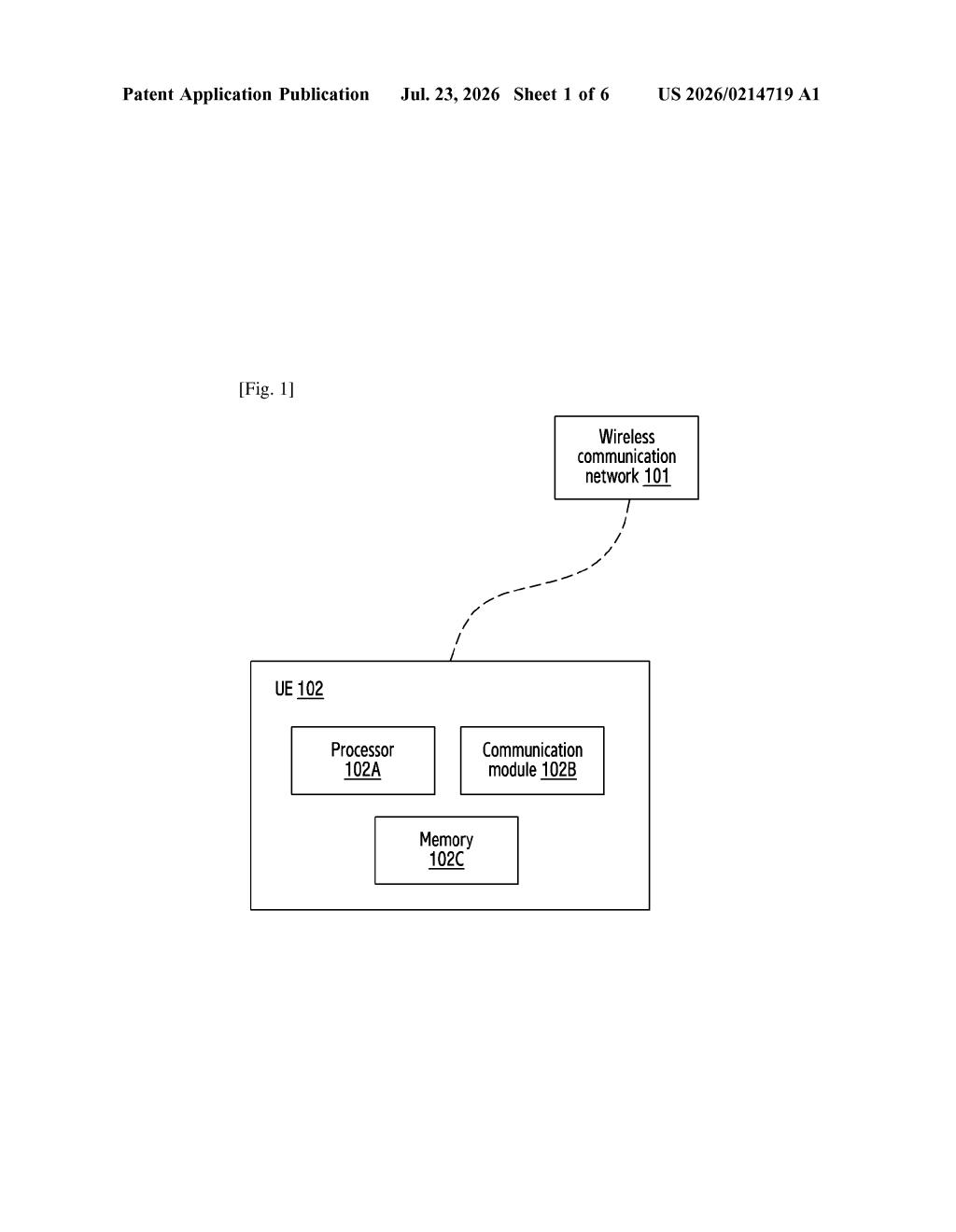
How Samsung's energy-saving request system works for phones
Imagine your phone wants to load a webpage, but your carrier's cell tower is in the middle of a planned rest period to save power. Right now, your phone might send a data request at exactly the wrong moment, forcing the tower to wake up early and waste energy, or your request just gets delayed awkwardly.
Samsung's patent describes a system where your phone is aware of those tower rest periods and holds off on sending a data request until the timing makes sense. Specifically, your phone checks whether it's in an inactive window under a feature called DRX (a scheduling system that lets radios nap between data bursts) and, if so, waits before asking the network for a slot.
The goal is to let carriers run their energy-saving programs without your phone constantly interrupting them, while still getting you connected quickly when the moment is right.
How the UE checks DRX state before sending a scheduling request
The patent focuses on a signaling procedure called a Scheduling Request (SR), which is the message a phone (called a UE, or User Equipment, in telecom language) sends to a base station to say "I have data to send, please give me a slot."
Networks are increasingly using Network Energy Saving (NES) techniques, where base stations reduce power consumption during low-traffic periods by entering semi-sleep states. The problem is that existing SR procedures don't account for those states, so requests can arrive at bad times.
Samsung's approach adds a check on the UE side. Before the phone fires off an SR, it looks at its DRX (Discontinuous Reception) configuration, which is the schedule that governs when the phone's radio is actively listening versus resting. If the phone is currently in a "non-active" window of that DRX cycle, it delays the SR rather than sending it immediately.
- The phone reads its configured and activated DRX state on the serving cell
- If the phone is in an inactive DRX period, it holds the SR
- Once the active window begins, the SR is transmitted normally
This keeps the phone's requests synchronized with the network's energy-saving schedule without requiring a completely new signaling protocol.
What this means for 5G network efficiency and your phone
Carriers around the world are under pressure to cut the energy consumption of their networks, and 5G base stations are power-hungry. Features like NES are designed to let towers go into low-power states when traffic is light, but they only work if the devices connected to them cooperate. A phone that keeps hammering the tower with requests during rest periods defeats the purpose.
For everyday users, a well-implemented version of this could mean more consistent 5G performance during peak energy-saving windows, like late at night, without the dropped requests or extra delays you might otherwise see. It's infrastructure-level work, but it's the kind of thing that affects how well your connection holds up.
This is a narrow but legitimate piece of 5G standards engineering. The all-claims-canceled status is a red flag for the specific filing's prospects, but the underlying problem is real: network energy saving and device scheduling genuinely need to be coordinated, and the approach here is straightforward. Don't expect a consumer product announcement tied to this one.
There are more where this came from
We read every patent application Big Tech publishes and send you the ones worth knowing. Plain English, free, every week.
The drawings
6 drawing sheets from US 2026/0214719 A1 · click any drawing to enlarge


Want this weekly breakdown for a company we don't cover? Patentlyze Pro →
Be the first to weigh in