
Samsung Patents a System That Redirects Your Phone From Cell Towers to Satellites
When your phone leaves 5G coverage, what if it automatically switched to a satellite network instead of just dropping service? Samsung has filed a patent for exactly that kind of handoff — and the details reveal how the signaling would actually work.
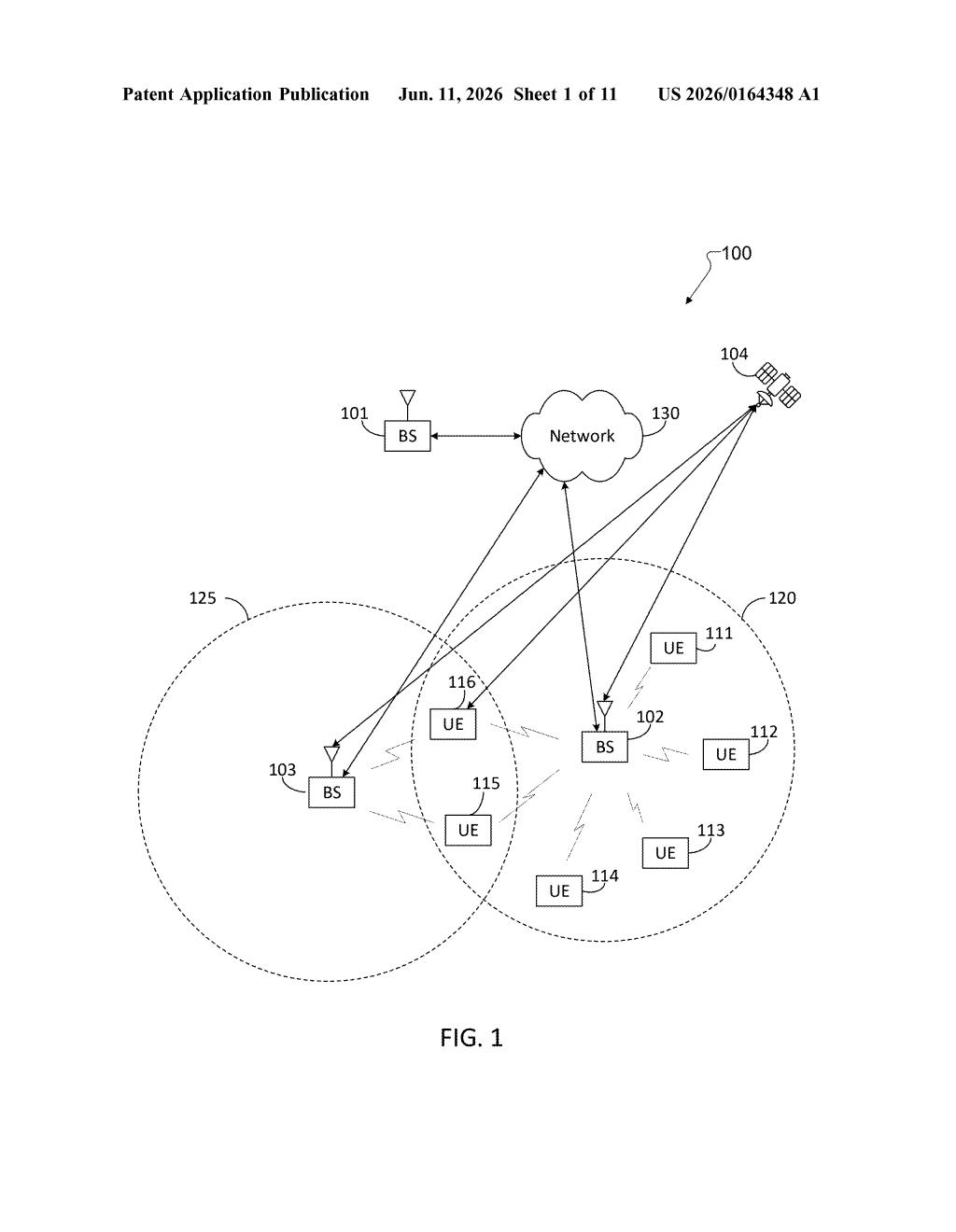
How Samsung hands your phone off from 5G to a satellite
Imagine you're driving through a rural area and your phone quietly switches from a cell tower to a satellite connection without you doing anything — no dropped call, no manual toggle, no 'searching for signal' spinner. That's the kind of experience Samsung's patent is trying to make possible.
Right now, moving between a regular cellular network and a satellite network is a clunky, separate process. Samsung's approach lets the ground-based cell tower send your phone a specific instruction — essentially a polite 'we're passing you off now' message — that includes everything your phone needs to find and connect to the right satellite channel on its own.
The phone uses that bundled guidance to scan the correct satellite frequencies and lock onto a working connection in the sky. The whole process is designed to be automatic and low-friction, so you'd ideally never notice the switch happened at all.
How the RRC release message triggers the satellite switch
The patent describes a method for redirecting a user device (your phone) from a terrestrial network (TN) — standard cell towers — to a non-terrestrial network (NTN), meaning satellites, when ground coverage runs out.
The mechanism works through a message called an RRC release message (Radio Resource Control release — basically a formal 'goodbye' signal that a cell tower sends when it's done managing your connection). In Samsung's system, that message gets upgraded: instead of just disconnecting your phone, it also carries a frequency hint and assistance data telling the phone exactly where to look for a satellite signal.
Once the phone receives that message, it:
- Enters a low-power idle state (stops actively communicating with the tower)
- Scans the satellite frequency it was pointed toward
- Uses the bundled NTN assistance information — things like satellite timing offsets and beam positioning data — to find a usable satellite cell faster than a cold search would allow
That assistance data can come either packed inside the release message itself or pulled from system information (SI) — background broadcast data that networks constantly beam out to devices in range. Either way, the phone doesn't have to figure out satellite parameters from scratch.
What this means for satellite connectivity in future phones
Satellite connectivity for smartphones is still early-stage, and one of the biggest friction points is the handoff: getting a phone to move between ground and sky networks smoothly, without the user having to intervene or wait through a long search cycle. This patent addresses that specific gap at the protocol level — the layer where towers and phones exchange control signals.
For Samsung, which makes both consumer phones and the networking equipment that carriers use, owning the signaling design for TN-to-NTN transitions is strategically valuable. As carriers like T-Mobile and AST SpaceMobile roll out satellite-to-phone services, the companies that have locked down the handoff patents will have real leverage in shaping how those standards get written.
This is a dry, infrastructure-level cellular standards patent — not the kind of thing that makes headlines on its own. But Samsung filing this now, while carriers are actively deploying direct-to-satellite phone service, suggests the company is positioning itself at the protocol layer before the standards bodies finalize how these handoffs should work. That's a smart place to have IP.
There are more where this came from
We read every patent application Big Tech publishes and send you the ones worth knowing. Plain English, free, every week.
Want this weekly breakdown for a company we don't cover? Patentlyze Pro →