
Samsung Patents a 5G Wake-Up Signal That Cuts Idle Radio Power Drain
Your phone's 5G radio is one of its biggest battery drains — not because you're streaming, but because it's constantly scanning for signals even when nothing is coming. Samsung's new patent describes a smarter handshake that lets the radio sleep until there's actually something worth waking up for.
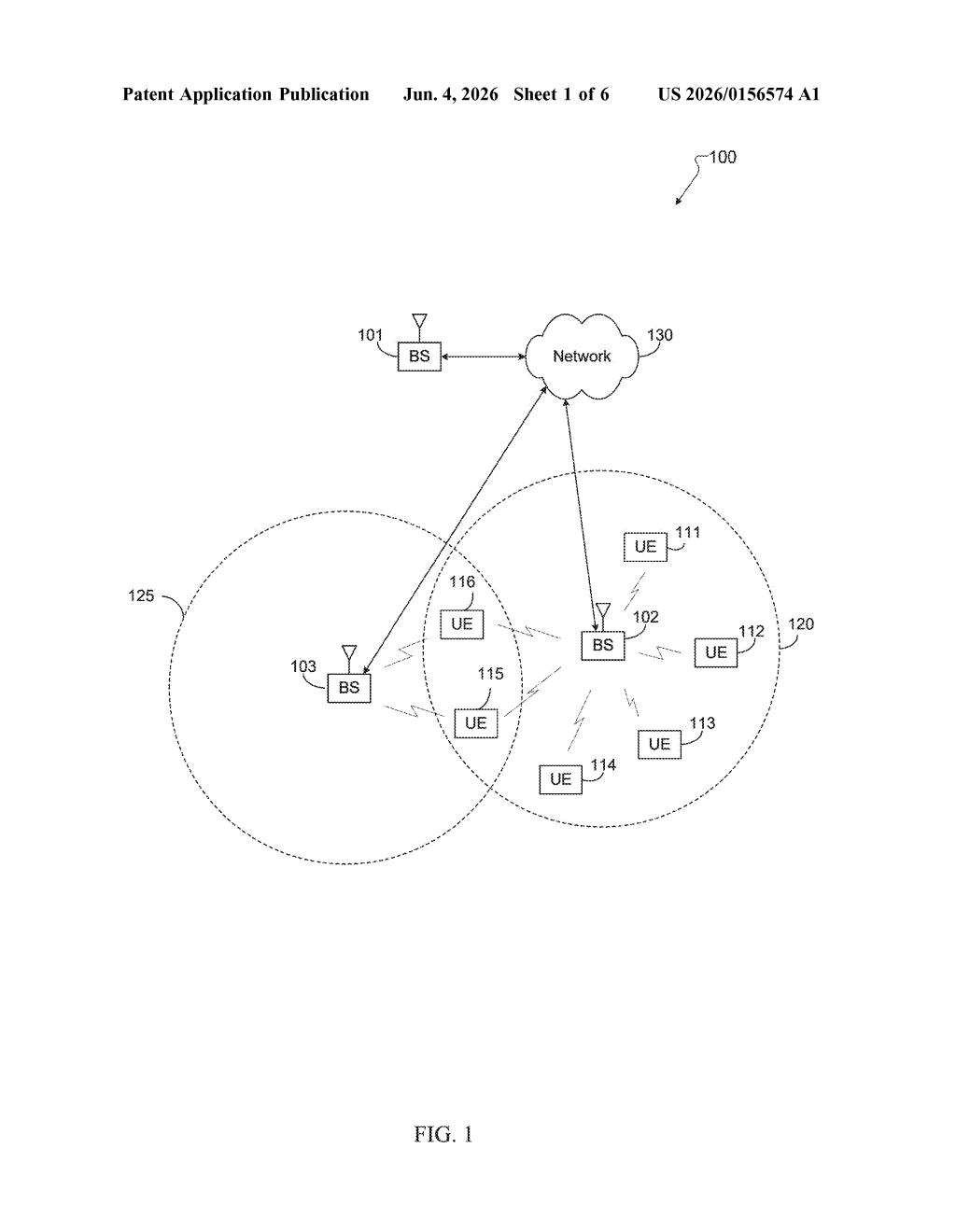
How Samsung's wake-up signal saves your phone battery
Imagine your phone's cellular radio as a security guard who has to check the door every few seconds, around the clock, just in case a delivery arrives. Even when nothing comes, the checking itself burns energy. That's essentially what 5G phones do today — their radios scan for incoming control signals continuously, which quietly drains your battery even when you're not actively using data.
Samsung's patent describes a system where the network sends a lightweight "wake-up" ping before any real data is scheduled. If your phone's radio catches that ping, it switches into a more active listening mode to receive the actual instructions. If no ping arrives, it stays in a lower-power scanning routine and skips the heavier work entirely.
The result is that your phone's radio only ramps up when there's genuinely something to receive — not just on the off-chance something might show up. It's a fairly targeted tweak to how 5G radios manage their idle time, and it's the kind of infrastructure-level change that tends to show up quietly in firmware without much fanfare.
How the PDCCH group-switching mechanism works
The patent targets a specific part of the 5G radio stack called PDCCH (Physical Downlink Control Channel) — the channel your phone monitors to learn whether the network has data queued up for it. Monitoring PDCCH is expensive because the phone has to keep its radio decoding hardware awake and scanning.
Samsung's approach introduces a sequence-based downlink wake-up signal (DL WUS) — a short, low-overhead reference sequence the network broadcasts before it actually schedules data. The phone is pre-configured with two Search Space Set Groups (SSSGs): think of these as two different "listening profiles" with different power costs and monitoring intensities.
Here's the flow:
- The phone receives configuration for where (time and frequency) to look for wake-up signal candidates.
- It checks whether a valid DL WUS is present in that window.
- If yes: it switches from the low-power SSSG (Group 1) to the fuller-monitoring SSSG (Group 2) to catch incoming control signals.
- If no wake-up signal is detected: it stays on the low-power Group 1 profile and skips the heavier PDCCH monitoring entirely.
The sequence-based design matters here — rather than requiring full decoding of a control message, the phone only needs to detect a known signal pattern, which is computationally cheaper and faster to determine.
What this means for 5G battery life on future phones
Battery life on 5G phones has been a persistent complaint since the standard launched, and radio idle-power is a meaningful part of that story. Patents like this one represent the incremental, standards-layer work that actually moves the needle — not through bigger batteries or dramatic hardware redesigns, but by making the radio smarter about when it works hard.
This approach aligns with ongoing work in 3GPP (the body that defines cellular standards) around UE power saving features in NR (New Radio). Samsung, as both a major chipmaker and a handset manufacturer, has strong incentive to push these mechanisms into the standard — improvements here benefit both their Exynos modem business and the Galaxy phone line. Whether this specific technique makes it into a ratified standard depends on how it fares in the broader standardization process, but Samsung filing it publicly signals they're at least backing it actively.
This is unglamorous but genuinely useful work. Wake-up signal schemes for cellular radios have been a real research focus in 5G-Advanced and the early 6G conversation, and Samsung filing a specific sequence-detection approach suggests they have a concrete implementation angle rather than just staking a conceptual claim. It won't make headlines at a product launch, but it's the kind of patent that quietly ends up in a chipset spec note two years from now.
There are more where this came from
We read every patent application Big Tech publishes and send you the ones worth knowing. Plain English, free, every week.
Want this weekly breakdown for a company we don't cover? Patentlyze Pro →