
Sony Patents a System That Plays Ads During PlayStation Loading Screens
Sony has filed a patent for a system that detects when a loading screen is about to appear, predicts how long it will last, and fills that dead time with alternate content — which in plain English almost certainly means ads.
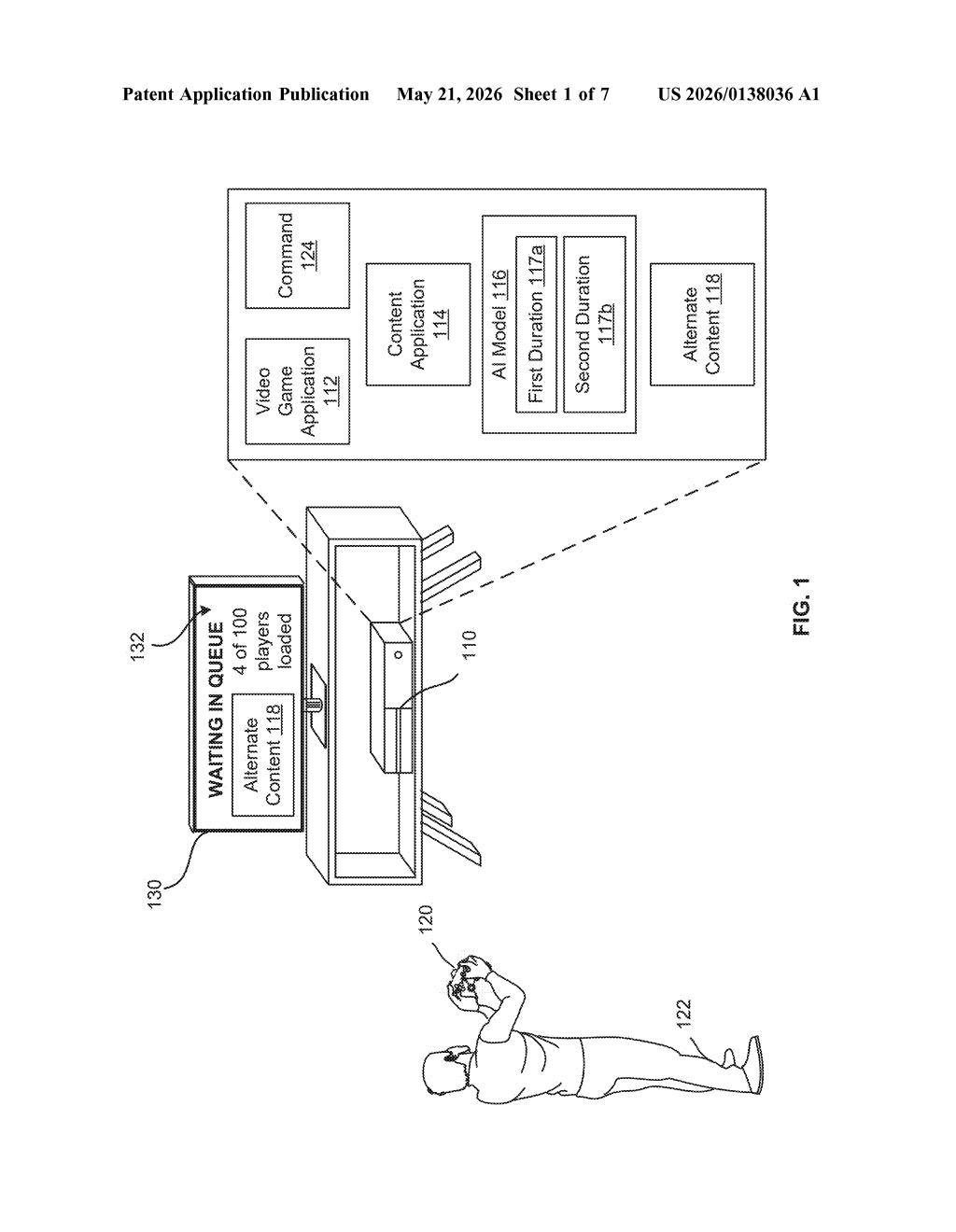
What Sony's loading-screen ad system actually does
You know those awkward pauses when a game is loading the next level and you're just staring at a tips screen or a spinning logo? Sony has patented a system designed to fill that downtime with something else — "alternate content" in the patent's careful language, but the context points squarely at ads or sponsored material.
The clever part is the prediction step. The console doesn't wait for the loading screen to actually start — it figures out that one is about to begin and estimates how long it'll last. That way, it can queue up content that fits neatly inside the window.
There's a notable safety valve baked in: the content shown always runs for a shorter duration than the predicted loading time. So if the console thinks a load will take 10 seconds, it won't show a 12-second ad that bleeds into your gameplay. Whether that feels reassuring or just engineered-to-be-unobjectionable is a matter of perspective.
How the AI predicts load times before they happen
The patent describes a gaming console — almost certainly a PlayStation — that uses an AI model to monitor gameplay and anticipate natural interruptions like loading screens, matchmaking waits, or cutscene transitions.
The system works in two phases:
- Prediction phase: Before the wait actually starts, the console estimates a "first duration" — how long the interruption will likely last. This uses an AI model (likely trained on gameplay telemetry) to make that call ahead of time.
- Delivery phase: Once the wait begins, alternate content is shown for a "second duration" that is deliberately shorter than the predicted window. This ensures the ad or content finishes before gameplay resumes, avoiding overlap.
The patent also references a separate Alternate Content Application running alongside the game, suggesting this is a platform-level feature baked into the console OS rather than something individual game developers control. The diagram in the filing shows a command layer sitting above both the video game application and the alternate content application, with the AI model feeding duration estimates to the content delivery logic.
The practical implication: Sony could serve pre-roll-style ads during any game's natural dead time, without requiring game studios to integrate anything themselves.
What this means for PlayStation players and Sony's ad business
For PlayStation players, this is the moment many have feared: ads potentially coming to a console you already paid for, inside games you already bought. The "shorter than predicted" constraint means the system is engineered to stay invisible — you'd ideally never see an ad cut off your respawn. But it's still ad inventory carved out of your gaming session.
For Sony, the strategic angle is significant. PlayStation has been building out its advertising infrastructure for years, and a system like this would let it monetize the console as a media platform — not just a game machine. Loading screens are currently wasted real estate. If Sony can sell that time to advertisers at scale across tens of millions of consoles, it's a meaningful new revenue stream that doesn't require selling more hardware.
This is one of those patents that's technically mundane but strategically loud. The underlying mechanism — predict a wait, fill it with content, stop before gameplay resumes — isn't complex engineering. What it signals is that Sony is actively designing the infrastructure to run ads inside PlayStation sessions at the OS level. Players will hate it; Sony's finance team won't.
There are more where this came from
We read every patent application Big Tech publishes and send you the ones worth knowing. Plain English, free, every week.
Want this weekly breakdown for a company we don't cover? Patentlyze Pro →