
Samsung Patents an Auto-Schema Health Data Analysis System
Samsung is patenting a system that automatically figures out how your health data is structured — and picks the right algorithm to analyze it — without you having to configure anything.
What Samsung's schema-matching health engine actually does
Imagine asking your fitness app 'how was my cycling performance this week?' and instead of getting a generic chart, the app quietly figures out that your data is stored in a 'bicycle activity' format, fetches exactly the right numbers, and runs the correct calculation behind the scenes. That's essentially what this patent describes.
Samsung's system receives an analysis request, identifies what kind of data is being asked about, then looks up the matching database structure — called a schema — from a pre-built library. It uses that schema to pull the relevant data and apply the right analysis algorithm automatically.
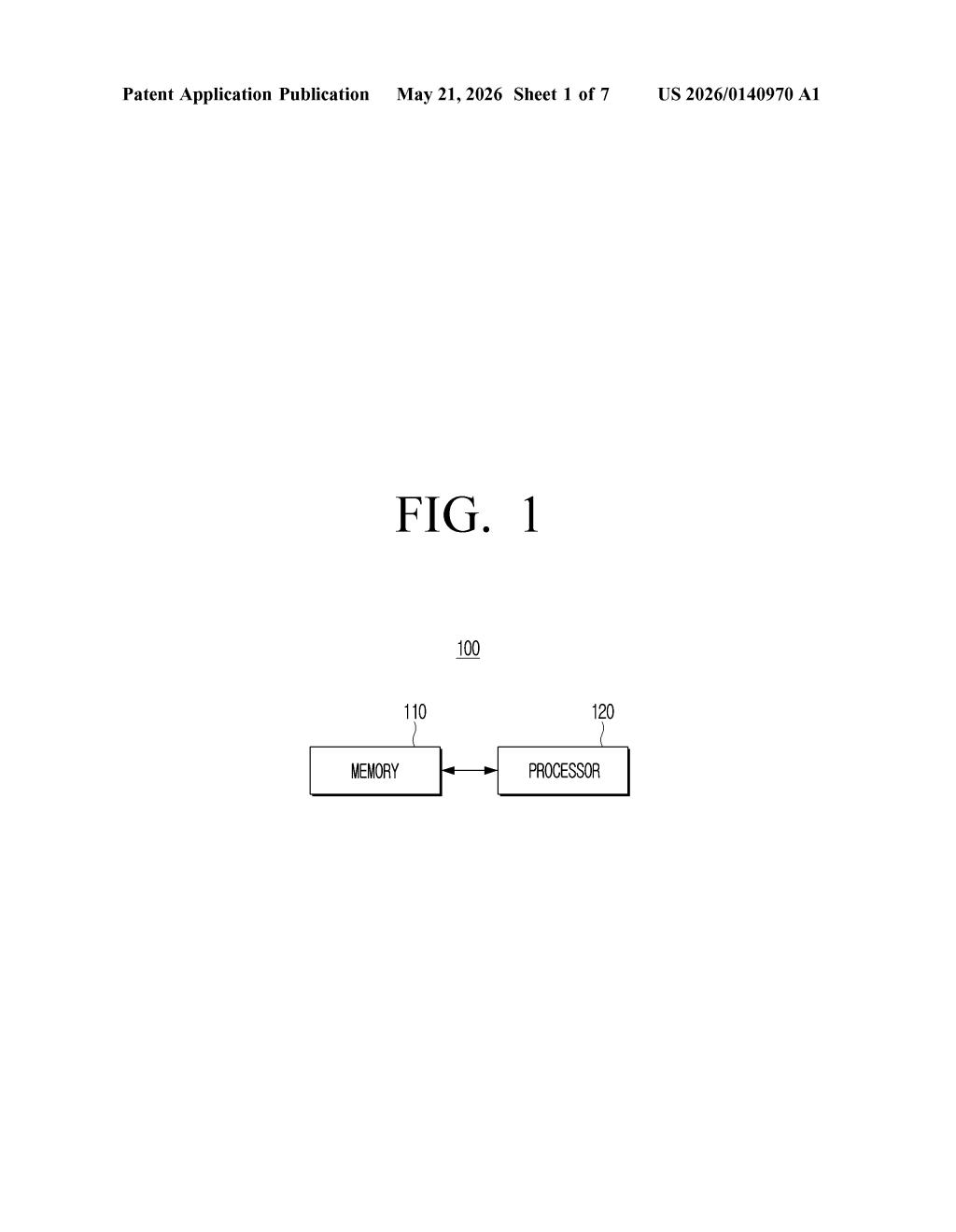
The diagram in the patent shows a health app making API calls to a back-end service database, with the device acting as the intelligent middleman that routes requests to the correct data structure. You ask a question; the system handles all the behind-the-scenes plumbing.
How the device picks the right schema and algorithm
At its core, this patent describes a schema-aware query routing system for health data analysis. When a user or app sends a data analysis request, the device does three things in sequence:
- Subject identification: It figures out what data the request is actually about (e.g., cycling metrics, sleep stages, heart rate) and which analysis algorithm applies.
- Schema matching: It looks up a pre-constructed database library containing multiple schemas — blueprints describing how different data types are organized — and selects the one matching the subject data.
- Result retrieval: Using the matched schema and the identified algorithm, it queries the database and returns an analysis result to the requesting app.
The patent's figures depict a health app firing sequential API calls — a first API asking what to display, and a second API requesting resource data for a specific activity type like cycling. The electronic device mediates these calls against a service database, abstracting the complexity away from the app layer.
This is essentially a semantic dispatch layer for health data: instead of every app needing to know how the database is laid out, the device holds the mapping and does the routing. The 'algorithm' identification step suggests the system can also select analytical methods dynamically — not just retrieve raw data, but compute the right summary or metric.
What this means for Galaxy health app intelligence
For Samsung's Galaxy ecosystem — where health data flows between Galaxy Watch sensors, the Samsung Health app, and cloud services — a standardized schema-routing layer could make it much easier to add new data types (a new sensor, a new workout mode) without breaking existing apps. Developers would query a consistent interface rather than hard-coding knowledge of every database structure.
For you as a user, the practical upside is a health platform that feels more coherent: your watch data, phone data, and third-party app data could all be analyzed through a single intelligent layer. Whether this ends up as a Galaxy Watch feature, a Samsung Health back-end upgrade, or a developer API remains to be seen — but the patent clearly targets the health and fitness data pipeline.
This is a solid but unsexy infrastructure patent — the kind of plumbing work that makes health platforms extensible over time rather than brittle. It's not a flashy AI feature; it's the dispatch layer that lets flashy AI features work reliably across a growing catalog of health data types. Worth tracking if you follow Samsung Health's developer ecosystem, but don't expect a marketing keynote about it.
There are more where this came from
We read every patent application Big Tech publishes and send you the ones worth knowing. Plain English, free, every week.
Want this weekly breakdown for a company we don't cover? Patentlyze Pro →