
Samsung Patents an AI Assistant That Plans Multi-Device Tasks Before Acting
Most voice assistants react to what you say. Samsung's new patent describes one that figures out what you *meant*, builds a multi-step plan across your devices, then stress-tests that plan before running a single command.
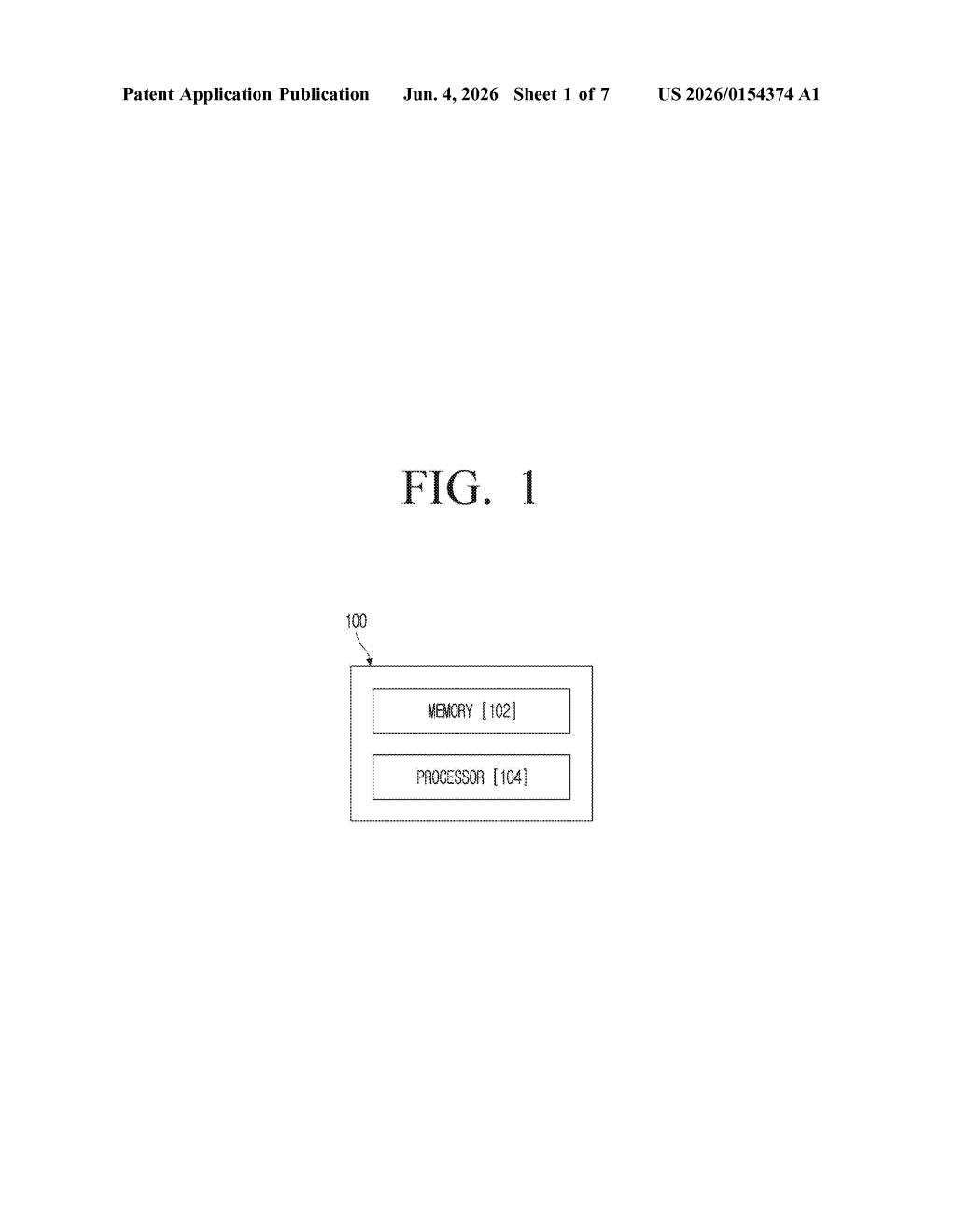
What Samsung's context-aware task planner actually does
Imagine telling your phone, "I have a big presentation tomorrow morning" — and instead of setting one alarm, your assistant figures out you probably also want your coffee maker scheduled, your commute checked, and your laptop files synced the night before. That's the kind of thing this patent is trying to enable.
Samsung's filing describes a virtual assistant that doesn't just parse your words — it builds a full workflow of actions across multiple devices. Before executing anything, the system runs what the patent calls "anticipated feedback": essentially, it simulates likely reactions and adjusts the plan on the fly so it doesn't do something you'd immediately undo.
The system also measures a "scale of intent" — a way of gauging how big or small your actual goal is. Asking to "play music" is narrow intent; "help me wind down for the night" is broad intent that might touch your lights, thermostat, phone's Do Not Disturb, and a Spotify playlist. The patent tries to make the assistant smart enough to tell the difference.
How the LLM workflow engine reads intent and self-corrects
The patent describes a pipeline with several distinct stages:
- User context determination: The system ingests input data from the virtual assistant — voice, text, sensor data, prior history — and constructs a rich "user context" that goes beyond the literal request.
- Workflow generation via a Large Language Sub-system (LLS): An LLM (large language model) component takes that context and produces a workflow — an ordered set of actions targeting one or more connected devices or the user directly.
- Real-time workflow adjustment via anticipated feedback: Before execution, the system predicts how the user or devices might respond to each step and modifies the workflow accordingly. Think of it as the assistant asking itself, "Would the user actually want this?" and self-correcting.
- Scale of intent: A scoring layer that assesses the breadth of the user's goal — narrow (single task) versus broad (multi-device orchestration) — so the right number of tasks get dispatched.
The final output is a task set distributed to one or more devices, derived from the combination of intent scale, user context, and the adjusted workflow. The patent doesn't specify which devices, suggesting this is meant as a general framework applicable across Samsung's entire hardware lineup.
What this means for Samsung's Bixby and Galaxy ecosystem
For Samsung, this is squarely about making Bixby — or whatever agentic AI successor replaces it — actually useful as a multi-device orchestrator across Galaxy phones, tablets, smartwatches, TVs, and smart home appliances. The "anticipated feedback" mechanism is the interesting differentiator: rather than blindly firing off commands, the system tries to pre-validate the plan, which could reduce the jarring "why did it do that?" moments that plague current voice assistants.
For you as a user, the practical payoff would be an assistant that handles compound, real-world requests without needing you to break them into individual commands. Whether Samsung can actually deliver on that in practice — rather than in a patent filing — is the real question.
This is a solid architectural patent for agentic AI on consumer devices, and the "anticipated feedback" pre-validation loop is a genuinely interesting idea that goes beyond what most published assistant patents describe. That said, Samsung has filed plenty of ambitious Bixby-adjacent patents that never shipped as described, so treat this as a signal of intent, not a product announcement.
There are more where this came from
We read every patent application Big Tech publishes and send you the ones worth knowing. Plain English, free, every week.
Want this weekly breakdown for a company we don't cover? Patentlyze Pro →