
Samsung Patents a System That Moves AI Call Features to Your Best Available Device
When you're on a call, your phone isn't always the most capable device in the room. Samsung's new patent describes a system that figures out which of your devices should be doing the AI heavy lifting, and hands the work off to it.
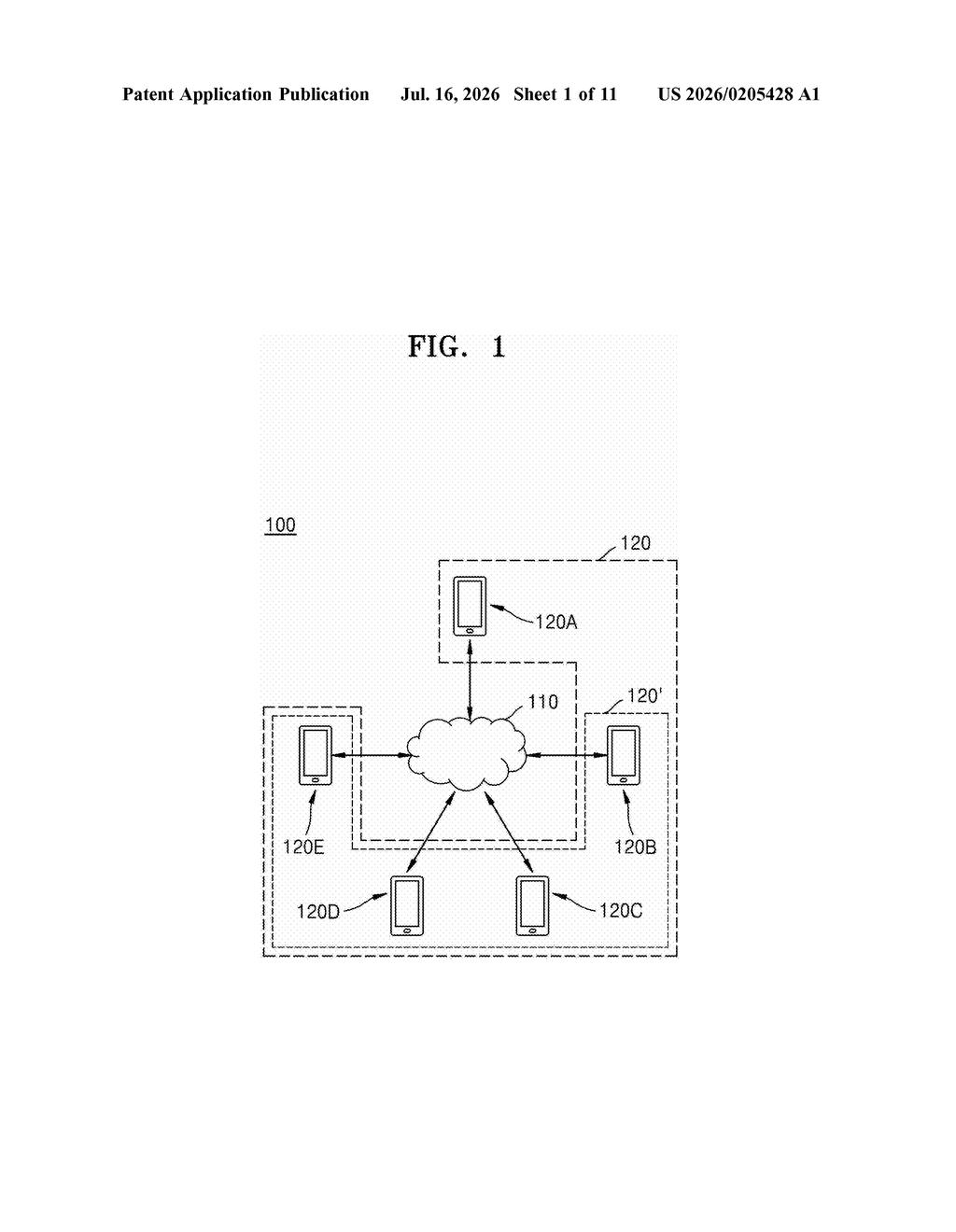
What Samsung's cross-device AI call handoff actually does
Imagine you're on a phone call, but your phone's battery is running low and your tablet is sitting right next to you at full charge. Today, your phone handles everything: noise cancellation, live translation, call transcription. Tomorrow, Samsung wants a smarter division of labor.
This patent describes a method where your devices talk to each other at the start of a call and ask, "Who's best positioned to run these AI features right now?" The group looks at each device's specs, available battery, and which AI tools each one supports, then assigns the work to whoever is most capable.
The winning device then runs those AI features for a set period of time, and the assignment can presumably be updated as conditions change. Think of it like routing a delivery to whichever warehouse has the most stock, except the warehouse is your Galaxy tablet and the delivery is your call's noise filter.
How devices negotiate which one runs the AI models
The patent describes a call session management protocol where multiple devices on the same network negotiate which one should run AI models during an active call.
Here's the basic sequence:
- Your phone broadcasts its own hardware specs and a list of AI models it supports (think noise suppression, transcription, real-time translation) to nearby or connected devices.
- Those candidate devices respond with their own specs and AI capabilities.
- Your phone acts as the coordinator, comparing all that information and picking the best device for the job.
- It then sends a command activating the chosen AI models on that selected device for a predefined period (a set window of time).
The claim is deliberately broad about what counts as an "AI model" and what criteria determine the "best" device, leaving room for Samsung to apply this to noise cancellation, live captions, accent softening, or other in-call AI features that already exist on Galaxy hardware.
The coordinator role sitting on the initiating phone, rather than a server, is the notable design choice here. This is an on-device, peer-to-peer negotiation, not a cloud routing decision.
What this means for Galaxy users on multi-device calls
For users with multiple Samsung devices, this could mean in-call AI features actually work better when your phone is stressed. If your phone is hot, low on battery, or running other tasks, the system could offload processing to a nearby Galaxy tablet, PC, or even a smart TV. That matters because AI call features are increasingly the selling point of premium Android phones, and today they fall apart the moment your primary device is under load.
For Samsung specifically, this fits neatly into their Galaxy ecosystem strategy, where devices like the Galaxy Ring, tablets, and PCs are meant to work together rather than independently. A patent like this could underpin future "Galaxy AI" call features that span the whole device family, not just the phone in your pocket.
This is a genuinely useful systems idea, not just a checkbox patent. The specific design choice of having the phone coordinate peer-to-peer, rather than routing through Samsung's servers, suggests real thought about latency and privacy. Whether it ships in anything recognizable is another question, but the problem it solves is real.
There are more where this came from
We read every patent application Big Tech publishes and send you the ones worth knowing. Plain English, free, every week.
Want this weekly breakdown for a company we don't cover? Patentlyze Pro →