
Samsung Patents an AI System That Decides When to Switch Wi-Fi Access Points
Your phone often clings to a weak Wi-Fi router long after a stronger one is nearby. Samsung is patenting an AI approach that decides both when to switch and which router to switch to.
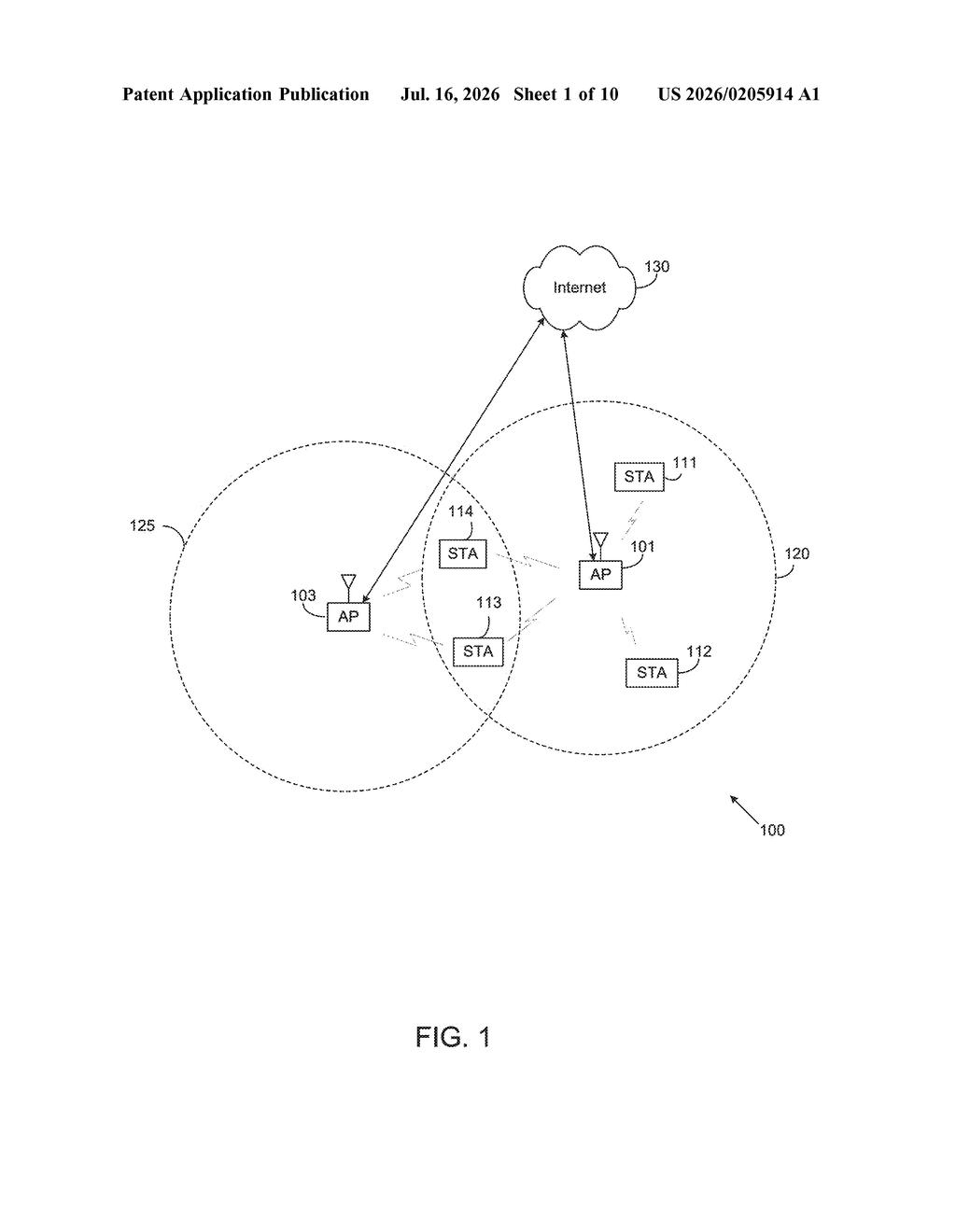
What Samsung's AI Wi-Fi switching actually does
Imagine you're walking through a large office or a shopping mall. Your phone connected to a Wi-Fi router near the entrance, but now you're deep inside and the signal is terrible. Most devices either switch too late or bounce between routers endlessly. Samsung's patent describes a system designed to fix that.
The idea is to use two separate AI models working in sequence. The first one watches your signal quality, your location, and whether you're moving, then decides: should the device even bother switching routers right now? If the answer is yes, a second AI model kicks in and evaluates a list of nearby routers to pick the best one.
The location detail is key. Each model is chosen based on where you are, so the system can apply different logic for, say, a crowded stadium versus a quiet home office. It's a more deliberate process than the blunt signal-strength thresholds most devices use today.
How the two-model system picks your next access point
The patent describes a two-stage machine learning pipeline that runs on a user's device (referred to as a UE, or user equipment) to manage Wi-Fi roaming.
Stage one: Should I switch? The device feeds a set of inputs into a first ML model. Those inputs include link quality (how good the current connection is), location information (where the device physically is), and mobility context (whether the user is stationary, walking, or moving quickly). The model returns a binary decision: roam or stay.
Stage two: Where should I switch? If the first model says to roam, a second ML model takes over. It receives a list of candidate access points nearby and selects the best one. Crucially, both models are chosen based on the device's location, meaning the system can apply different trained behaviors in different environments.
This is different from how most Wi-Fi roaming works today, which typically relies on simple signal-strength thresholds (a fixed rule like "switch when signal drops below X"). The ML approach theoretically learns from patterns, adapting to factors like time of day, network congestion, or typical movement paths in a given space.
What this means for Wi-Fi in large buildings and campuses
For everyday home use this probably changes little, since most homes have one or two access points and current systems manage fine. The real target is enterprise and campus environments: hospitals, airports, large offices, and stadiums where dozens of access points overlap and smooth handoffs matter for things like video calls, medical devices, or mobile point-of-sale systems.
For you as a user, the promise is fewer dropped video calls mid-meeting and less time stuck on a sluggish connection while a perfectly good router sits 10 feet away. Whether this ends up in a Samsung phone, a Galaxy tablet, or a networking product aimed at businesses is not clear from the patent alone, but the framing around "user equipment" and location-aware models suggests the company is thinking about mobile devices in complex, multi-router environments.
This is a real engineering problem worth solving, and the two-stage model approach is thoughtful rather than just slapping AI on a basic feature. That said, Wi-Fi roaming improvements have been promised for years across the industry, and the gap between a patent filing and a noticeably better experience on an actual device is wide. Watch for whether Samsung builds this into its mesh networking hardware or its mobile software stack.
Get our take in your Top Stories
Liked this breakdown? Add Patentlyze as a preferred source on Google, and our plain-English take shows up more often in your Top Stories the next time Samsung patent news breaks.
There are more where this came from
We read every patent application Big Tech publishes and send you the ones worth knowing. Plain English, free, every week.
Want this weekly breakdown for a company we don't cover? Patentlyze Pro →