
Disney's New Patent Finds the Best Moments in a Show to Drop an Ad
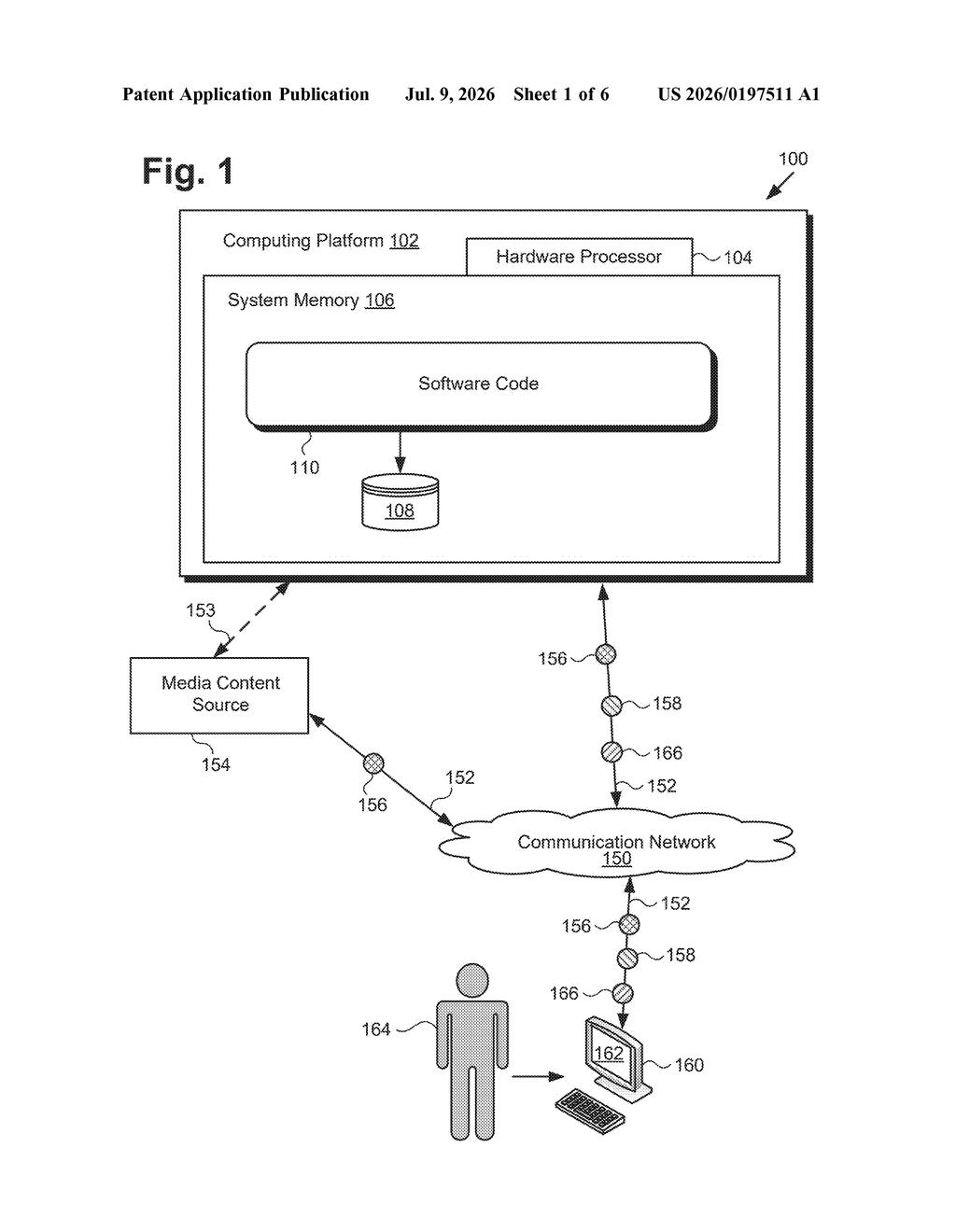
Disney is patenting a system that watches a movie or show for natural pauses, specifically fade-to-black moments and audio shifts, and ranks each one by how good it would be for an ad break.
How Disney's AI picks where to slip in commercials
Imagine you're watching a movie on a streaming service and an ad pops up right in the middle of a dramatic line. That's bad ad placement, and it's a surprisingly hard problem to solve at scale when you have thousands of hours of content.
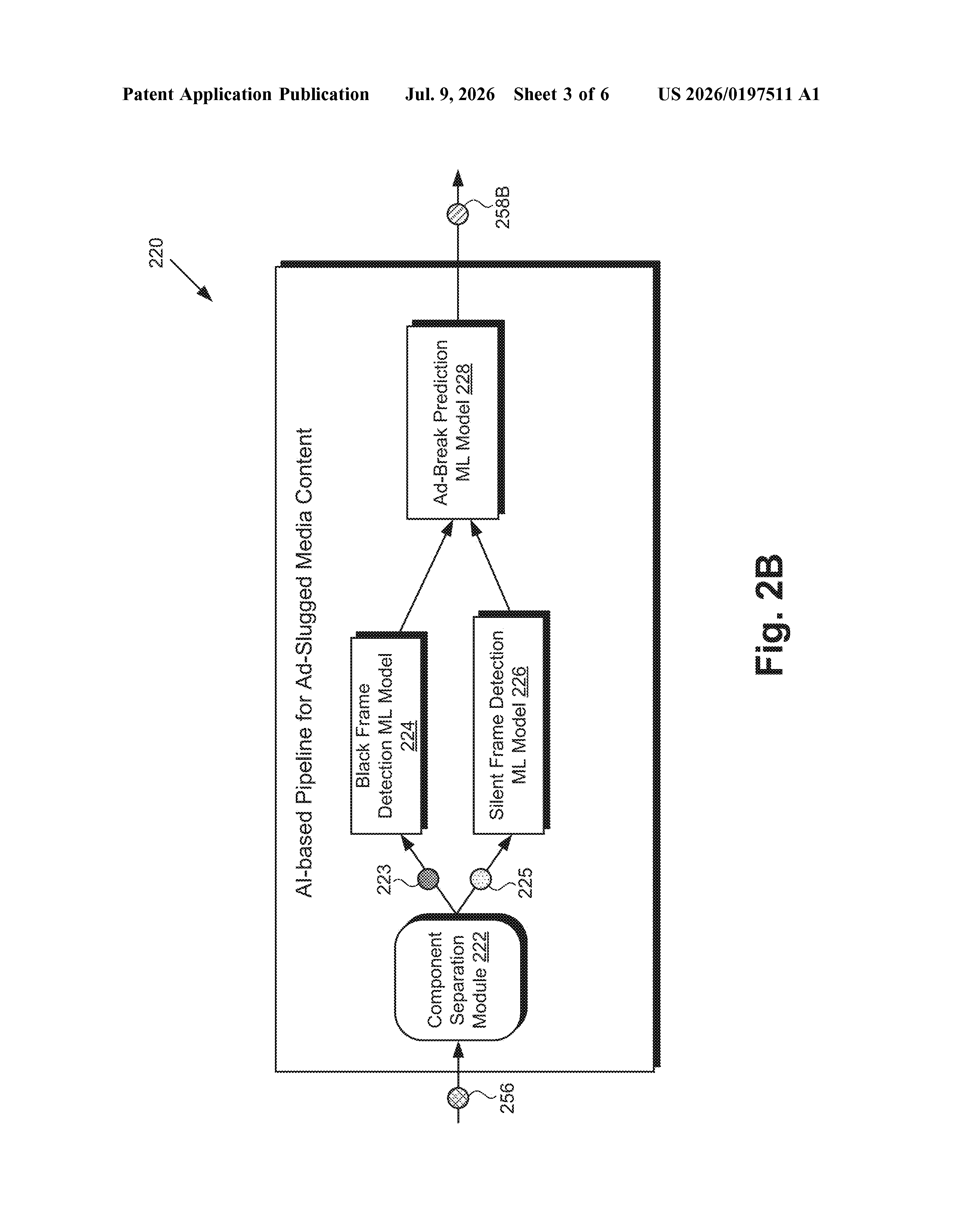
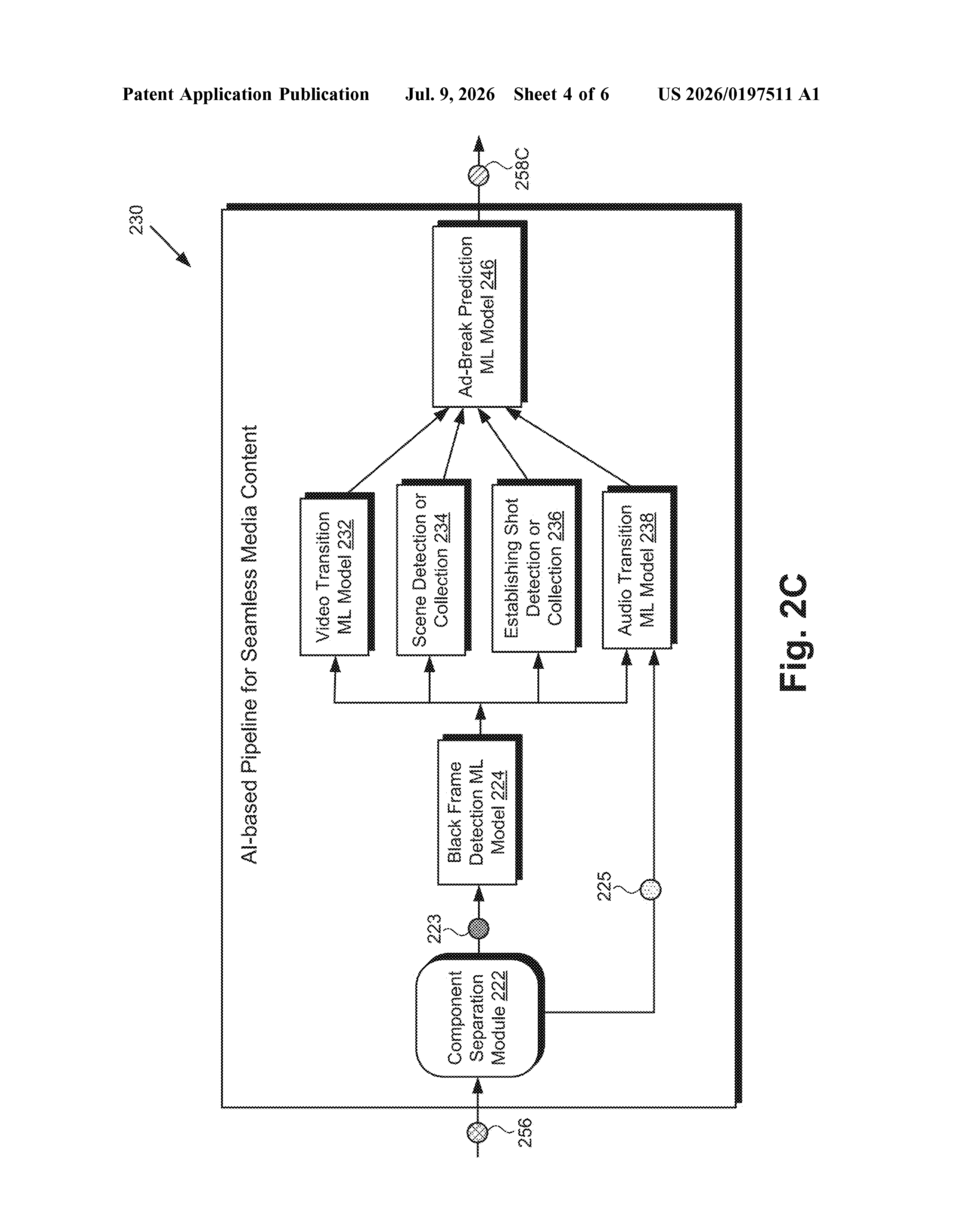
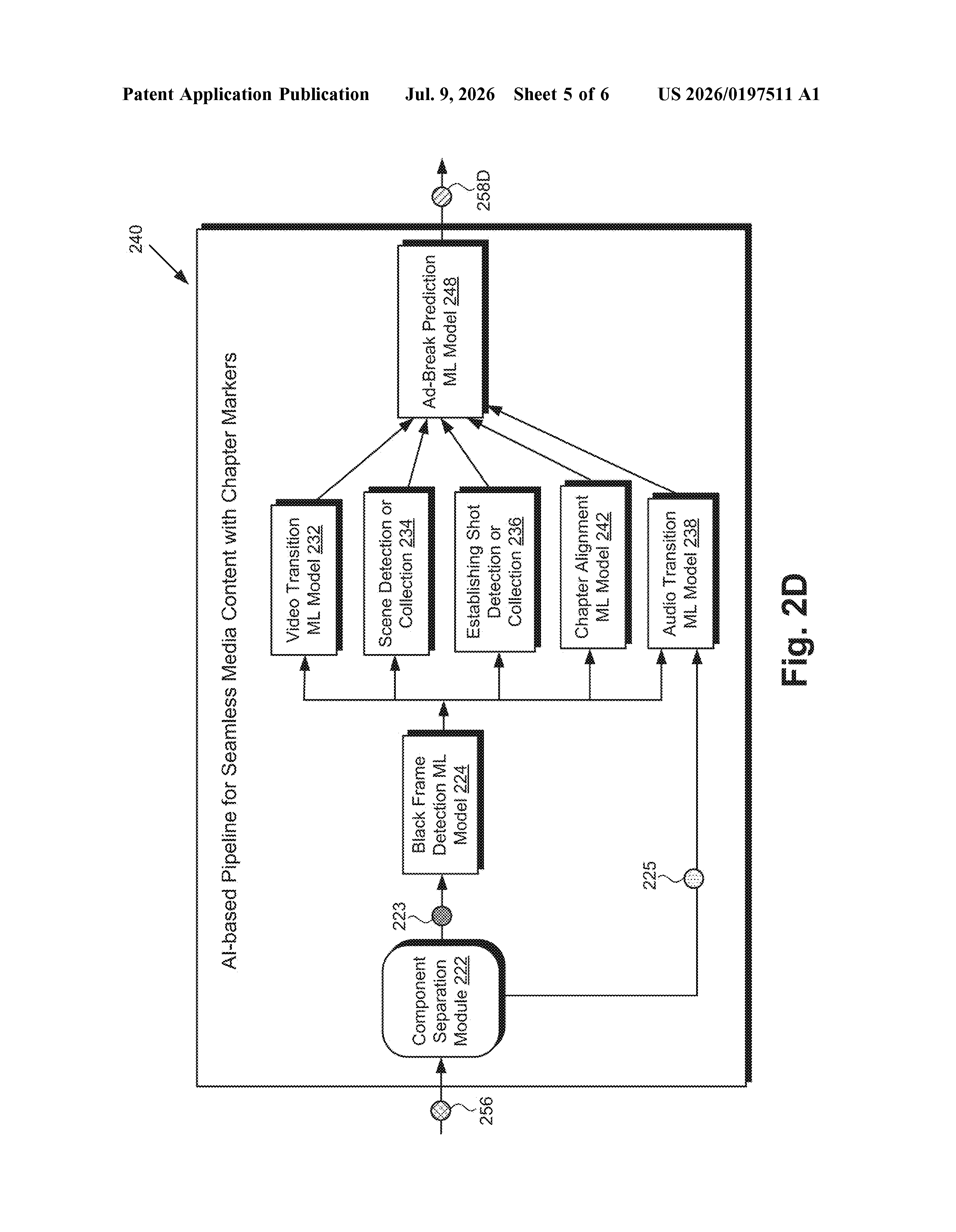
Disney's patent describes a system that analyzes both the picture and the sound of a piece of content at the same time. It looks for fade-to-black transitions between scenes, those brief dark moments directors use to signal a shift in time or place. Then it checks whether the audio also goes quiet during those same moments, which would confirm a real scene break rather than a stylistic flourish.
Based on both signals together, the system assigns each candidate moment a probability score, essentially a confidence rating for how natural an ad break there would feel. The higher the score, the less likely you'd notice the interruption.
How the system reads fades and audio to score ad slots
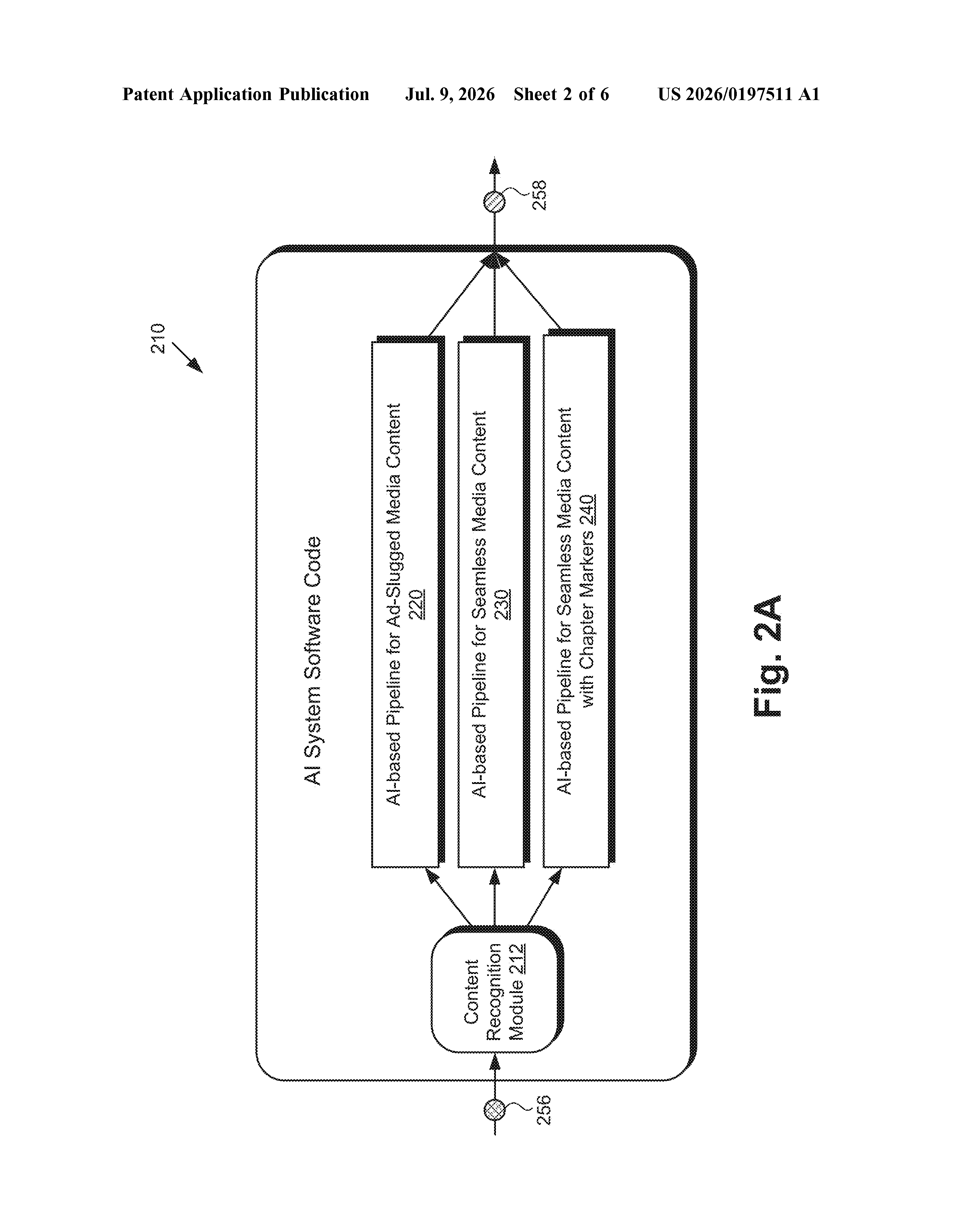
The system is designed for what Disney calls seamless media content, meaning video that wasn't originally produced with ad breaks built in, like a theatrical film or a documentary cut without commercial gaps.
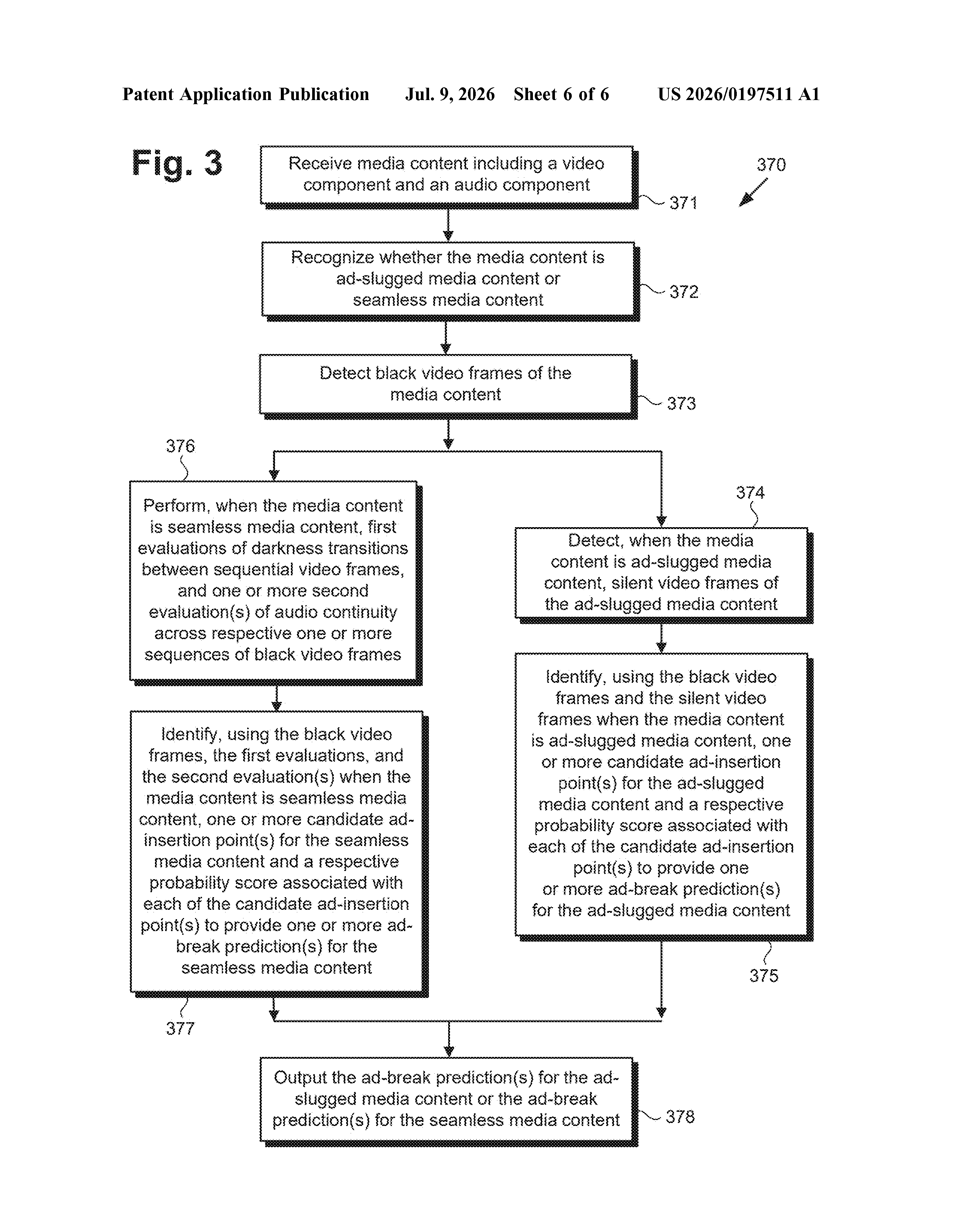
Here's the process it follows:
- Fade-to-black detection: It scans sequential video frames looking for transitions where the image goes dark, a common cinematic cue for a scene change.
- Audio continuity analysis: It breaks the audio track into components (decomposed audio signals) and checks whether sound is also dropping or shifting across the same dark frames, confirming a genuine pause in the content.
- Scoring: It combines both evaluations to generate a list of candidate insertion points, each paired with a probability score reflecting how clean the break would be.
The dual-signal approach matters because a fade-to-black alone can be misleading. Some films use black frames as a dramatic device within a scene, not between them. Checking the audio at the same moment filters those out and avoids placing an ad in the middle of something important.
What this means for Disney+ and streaming ad breaks
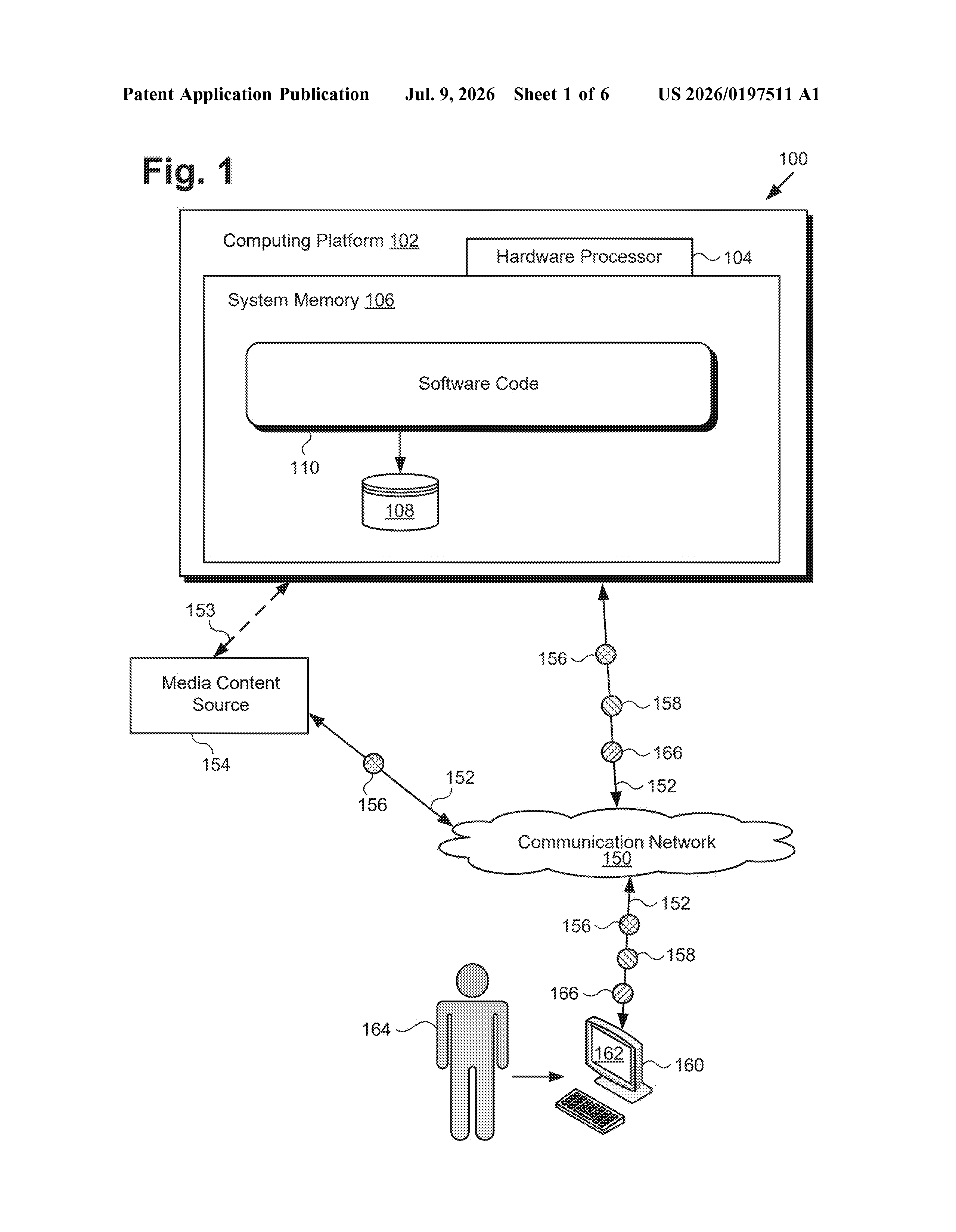
For Disney+, which launched an ad-supported subscription tier, placing ads in the wrong spot is a real user-experience problem. A system like this could let Disney serve ads inside long-form content, including its film library, without manually marking every break by hand across thousands of titles. That's a significant operational cost saving and potentially better viewing experiences for subscribers on the cheaper plan.
More broadly, this is part of a larger streaming industry push to make ad-supported tiers viable at scale. If you're a Disney+ subscriber on the ad plan, this patent is directly relevant to how those interruptions will be timed going forward. Whether the system actually does a noticeably better job depends entirely on how well it's trained, which the patent doesn't address.
This is a practical, unglamorous patent solving a real operational problem. Disney has a massive content library and manually placing ads in films is not scalable. The dual video-plus-audio approach is a sensible engineering choice, not a flashy AI trick. Whether it actually makes ad breaks feel less disruptive is a question the patent leaves open.
Get our take in your Top Stories
Liked this breakdown? Add Patentlyze as a preferred source on Google, and our plain-English take shows up more often in your Top Stories the next time Disney patent news breaks.
There are more where this came from
We read every patent application Big Tech publishes and send you the ones worth knowing. Plain English, free, every week.
The drawings
6 drawing sheets from US 2026/0197511 A1 · click any drawing to enlarge
Want this weekly breakdown for a company we don't cover? Patentlyze Pro →