
Sony Files Patent for AI Games Generated From Your Car's Navigation Route
What if your road trip to the mountains automatically generated a fantasy adventure game set in — you guessed it — snowy mountain terrain? That's the core idea behind a new Sony Interactive Entertainment patent.
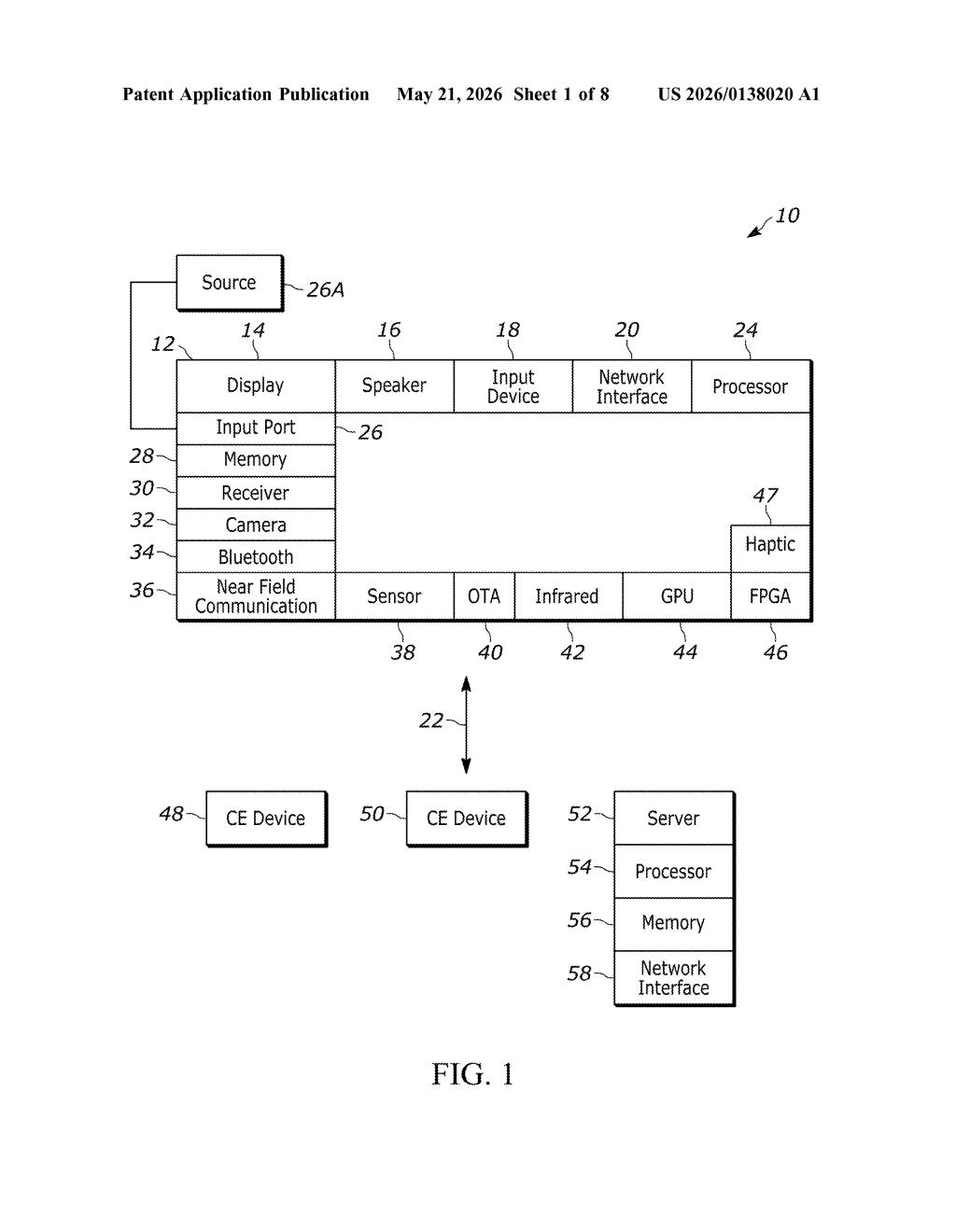
What Sony's route-based AI game system actually does
Imagine you're a passenger on a three-hour drive. Instead of scrolling your phone, the car's side-window displays light up with an interactive game that's been custom-built for this specific trip — its length, the geography you're passing through, and even how much charge is left in the battery.
That's what Sony is patenting here. The system takes your navigation data — start point, destination, route — feeds it into an AI language model, and generates a unique game storyline tailored to the trip. You pick a genre (fantasy, sci-fi, mystery), and the AI builds something around it. Driving past a river valley? Maybe that becomes a canyon in your adventure. Only 40 miles of range left? The game length adjusts.
The driver isn't left out either. While video goes to passenger displays (integrated into the side windows), audio from the game can still play through the car's speakers so the driver can follow along without being distracted.
How the LLM turns GPS data into a custom storyline
The patent describes an apparatus — essentially a processor system — that ties together several data sources to generate on-the-fly game content using a large language model (LLM).
Here's how the inputs stack up:
- Navigation data: The route from geolocation A to B, including road types, distance, and estimated travel time.
- Geographic features: Landmarks, terrain, and points of interest encountered along the route — these feed the game's world-building.
- Vehicle range: Current fuel or battery charge level, which helps calibrate how long the game should be.
- User preferences: Desired genre and other game parameters specified before departure.
All of this gets bundled into a prompt (a structured instruction set) and sent to the LLM, which generates a storyline. That storyline is then used to drive interactive game content — presented on displays integrated into the vehicle's side windows for passengers, with audio routed to the car's speaker system for the driver.
The claim is intentionally broad: it covers the core loop of accessing navigation data, prompting an LLM, receiving a generated story output, and delivering audio via the vehicle's audio system. Visuals and interactivity appear to be layered on top in dependent claims.
What this means for in-car entertainment and PlayStation
For Sony, this is an interesting adjacency play. PlayStation is already in the living room; cars are one of the few long-dwell-time screens Sony doesn't own. A patent like this signals Sony is thinking about how to bring interactive entertainment into vehicles — not by porting existing games, but by generating new, context-aware experiences natively.
For passengers — especially kids on long trips — this could be genuinely useful. The idea that a game adjusts to your actual journey rather than being a generic app is a meaningful UX upgrade over a tablet loaded with pre-downloaded content. The catch, as always with generative AI content, will be quality consistency: an LLM that writes a coherent 20-minute adventure reliably is a harder problem than it sounds.
This is a legitimately interesting concept that sits at a real intersection of trends: generative AI, in-vehicle entertainment, and Sony's push to expand PlayStation beyond the TV. The execution challenge is steep — LLM-generated interactive fiction with consistent quality across millions of different route/genre combinations is non-trivial — but the idea of a trip-length, terrain-aware game that auto-generates for your specific drive is compelling enough to take seriously.
Get our take in your Top Stories
Liked this breakdown? Add Patentlyze as a preferred source on Google, and our plain-English take shows up more often in your Top Stories the next time Sony patent news breaks.
There are more where this came from
We read every patent application Big Tech publishes and send you the ones worth knowing. Plain English, free, every week.
Want this weekly breakdown for a company we don't cover? Patentlyze Pro →