
Samsung Patents a Way to Keep Important Objects Visible at Screen Edges
When a photo or video frame cuts off something important at the edge of the screen, you lose context. Samsung's new patent describes a system that detects what matters near those edges and intelligently blends it into the border area so nothing disappears.
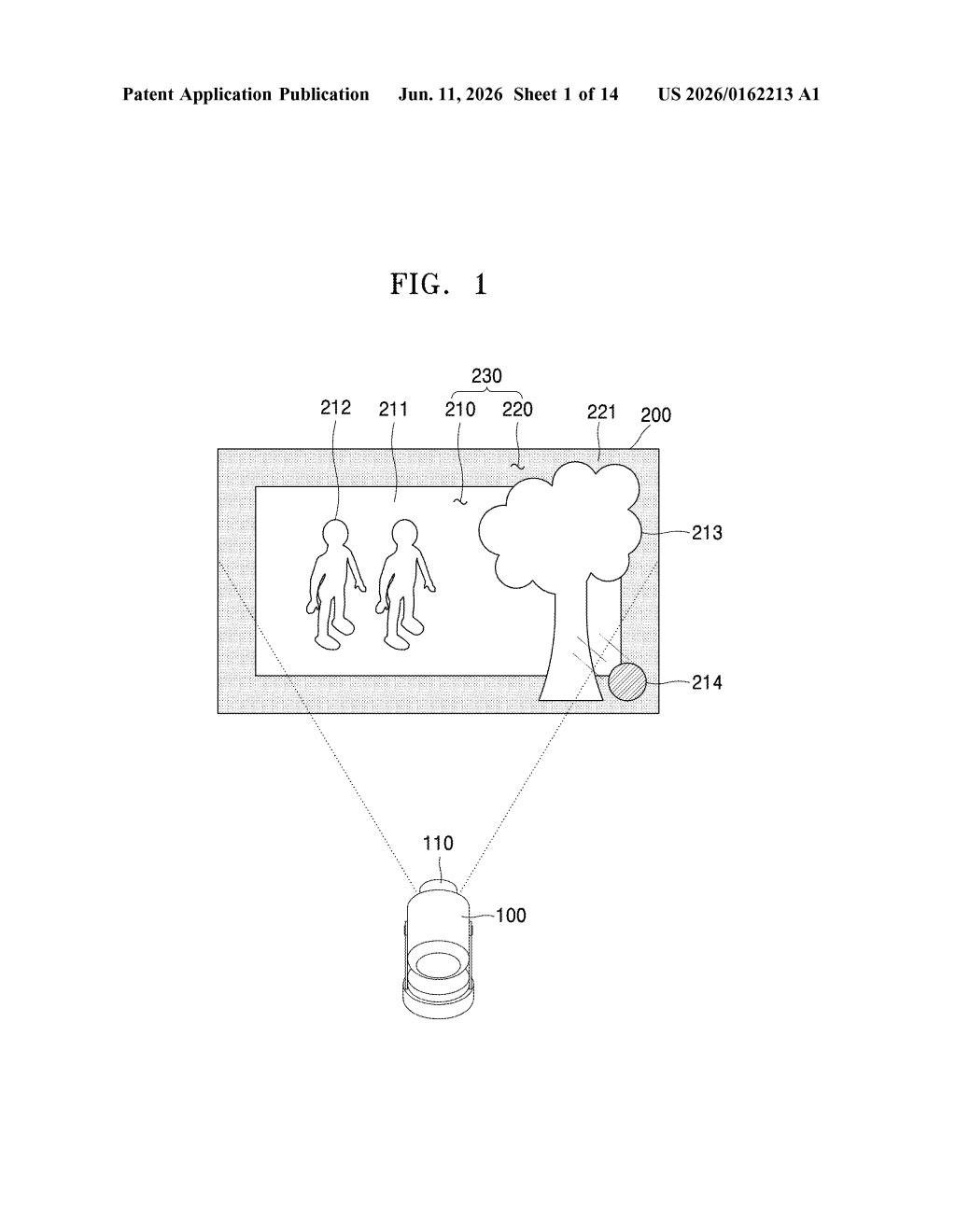
What Samsung's edge-image blending actually does
Imagine you're looking at a photo on your phone, and someone's face is right at the very edge of the frame — half-cut-off, awkwardly cropped. That edge region on a screen often has its own fixed overlay (think a UI border, a camera frame, or a display bezel graphic). The two images clash, and the important thing — the face — gets lost.
Samsung's patent describes a system that looks at both the main image and the overlay meant for the edge area, then figures out which parts of the original image are worth keeping visible. It builds what the patent calls a "masking map" — essentially a guide that tells the device: this object matters, preserve it.
The result is a corrected image where the center of your screen shows the original content normally, but the edge region intelligently blends the overlay with whatever important subject was near that border — so you don't lose the thing that matters most.
How the masking map separates objects from backgrounds
The patent describes a three-step process running on a device's processor:
- Input gathering: The device takes in two images — an "input image" covering the full view (both the main area and the edge zone) and a "frame image" that's designed specifically for the edge zone (an overlay, border graphic, or UI element).
- Masking map generation: By comparing both images, the system identifies "objects of interest" — meaningful content like faces, text, or subjects — that happen to fall inside the edge zone. This map is essentially a pixel-level guide marking what's important and what's background.
- Corrected image output: Using that map, the device composites a final image where the main area shows the input image unchanged, and the edge area shows a blend of the overlay frame plus the preserved object of interest from the original image.
The key innovation is treating the edge zone as a negotiation between two image sources rather than simply letting one overwrite the other. The masking map is the referee — it decides what from the original image is important enough to survive the overlay.
What this means for Samsung displays and cameras
This kind of edge-blending logic could show up in Samsung's camera apps, foldable phone displays, or multi-screen setups — anywhere a UI border or hardware frame risks cutting off meaningful visual content. Foldables like the Galaxy Z Fold line already deal with tricky screen-edge geometry, where the crease and bezel can obscure parts of an image.
For everyday users, the practical payoff is photos and video frames that look more complete — where the person or object near the edge isn't swallowed by a border graphic or UI chrome. It's a small but real quality-of-life fix for a problem most people notice but don't have a name for.
This is a focused, narrow patent solving a real but unglamorous problem: what happens when important image content collides with screen-edge overlays. It's not a splashy AI feature, but the underlying logic — building a masking map to selectively preserve objects during image compositing — is the kind of careful engineering that separates polished camera experiences from mediocre ones. Samsung's foldable lineup makes this more relevant than it would be for a standard rectangular phone.
There are more where this came from
We read every patent application Big Tech publishes and send you the ones worth knowing. Plain English, free, every week.
Want this weekly breakdown for a company we don't cover? Patentlyze Pro →