
IBM Patents a System That Groups Computer Error Records to Speed Up Fault Diagnosis
When a server crashes, engineers often face thousands of raw log lines and no clear starting point. IBM is patenting a way to automatically sort those lines into groups and flag the ones most likely to explain what went wrong.
What IBM's log-grouping error analysis actually does
Imagine your company's website goes down at 2 a.m. The on-call engineer opens the server logs and finds 50,000 lines of text, most of them routine status updates, with the actual error buried somewhere inside. Finding the problem by hand takes hours.
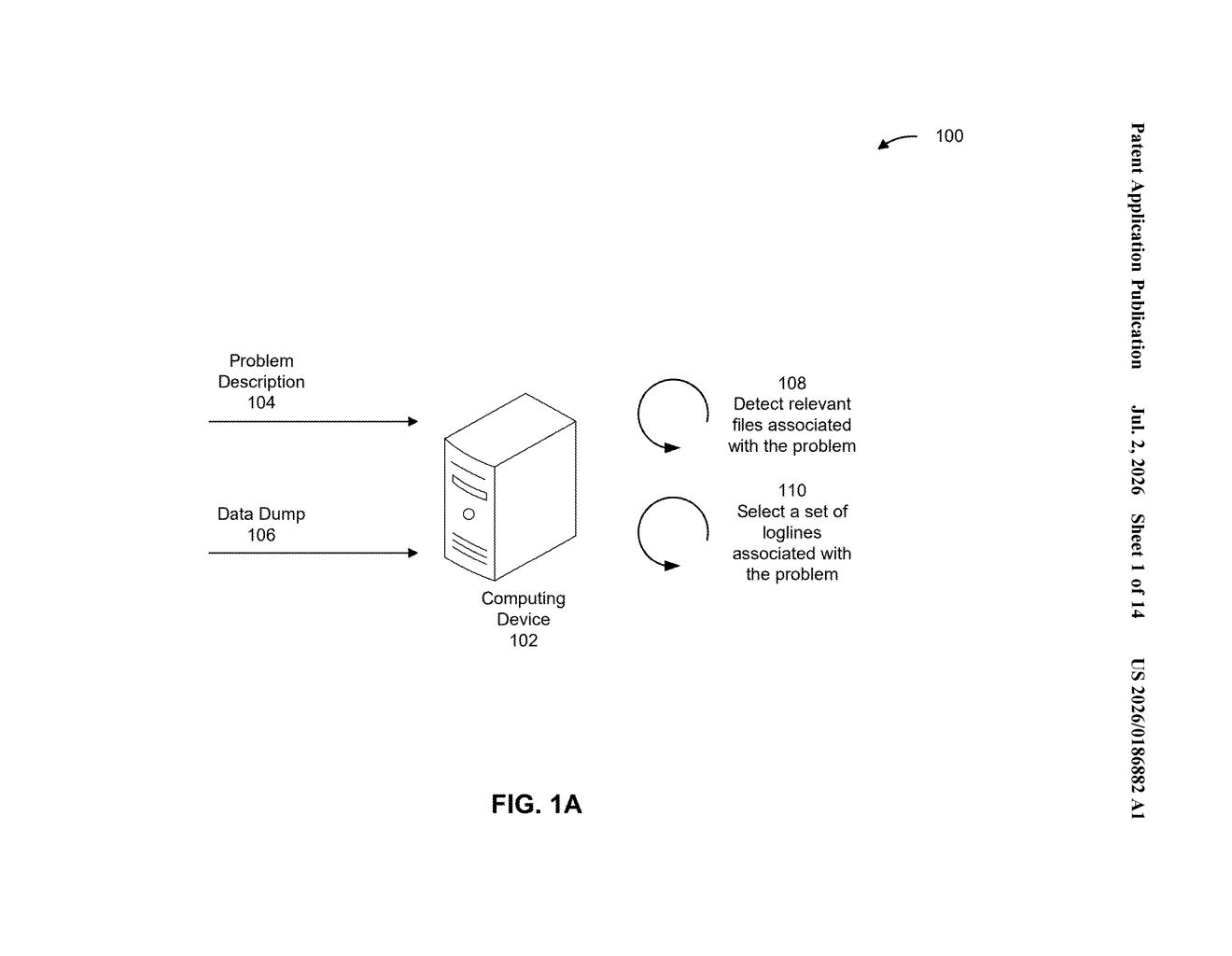
IBM's patent describes a system that takes that messy pile of log lines and sorts them into groups based on their structure, basically what kind of message each line is. It then identifies the lines within each group that carry the most important clues, what the patent calls key indicators, and flags those for the engineer.
Instead of reading every line, you'd get a pre-sorted, pre-highlighted view of the logs organized around the problem description you provided. Think of it like asking a research assistant to go through a filing cabinet and pull only the folders relevant to your question.
How the system clusters log lines and tags key indicators
The system takes two inputs: a raw set of log lines (the timestamped records a computer system writes as it runs) and a problem description (a plain-language note about what went wrong, like 'database connection dropped at 2:14 a.m.').
From there, the process works in three steps:
- Clustering: Log lines are grouped by their structure, meaning lines that follow the same format (error codes, timestamps, service names) end up in the same bucket, even if their specific values differ.
- Key indicator identification: Within each cluster, the system looks at a subset of lines and extracts the details most relevant to the reported problem. These become the key indicators, essentially the diagnostic signals that distinguish a normal log entry from a suspicious one.
- Enriched error analysis: Those key indicators are applied back across the full cluster, allowing the system to perform a structured analysis that surfaces the most relevant log entries rather than treating all 50,000 lines equally.
The patent doesn't specify a single algorithm, but the approach aligns with log parsing and clustering techniques common in site-reliability engineering, where reducing noise is often the hardest part of diagnosing an outage.
What this means for IT teams chasing down system failures
For the engineers who keep cloud infrastructure and enterprise software running, log analysis is one of the most time-consuming parts of the job. Tools that can automatically focus attention on the right entries, rather than requiring a manual search, directly reduce the time it takes to restore a service after a failure.
IBM positions this under its broader IT operations and AIOps (AI-assisted IT operations) strategy. A system like this could plug into existing observability platforms, making it relevant to IBM's Watson AIOps line or similar products aimed at large enterprise customers who manage complex, high-volume systems. For you as an end user, the downstream effect would be faster recovery when the apps and services you depend on go down.
This is unglamorous but genuinely useful engineering. Log analysis is a well-known bottleneck in IT operations, and anything that reduces the manual triage burden has clear commercial value for IBM's enterprise customer base. The patent covers a fairly incremental improvement to existing clustering approaches, so don't expect this to redefine the field, but it's the kind of practical, shippable idea that tends to end up in a product within a few years.
Get our take in your Top Stories
Liked this breakdown? Add Patentlyze as a preferred source on Google, and our plain-English take shows up more often in your Top Stories the next time IBM patent news breaks.
There are more where this came from
We read every patent application Big Tech publishes and send you the ones worth knowing. Plain English, free, every week.
Want this weekly breakdown for a company we don't cover? Patentlyze Pro →