
IBM Patents a Two-Step AI That Traces Pen Strokes Before Reading Your Handwriting
Most handwriting-recognition systems look at letters the way a scanner does. IBM's new patent takes a different approach: it first figures out how each letter was drawn before trying to read it.
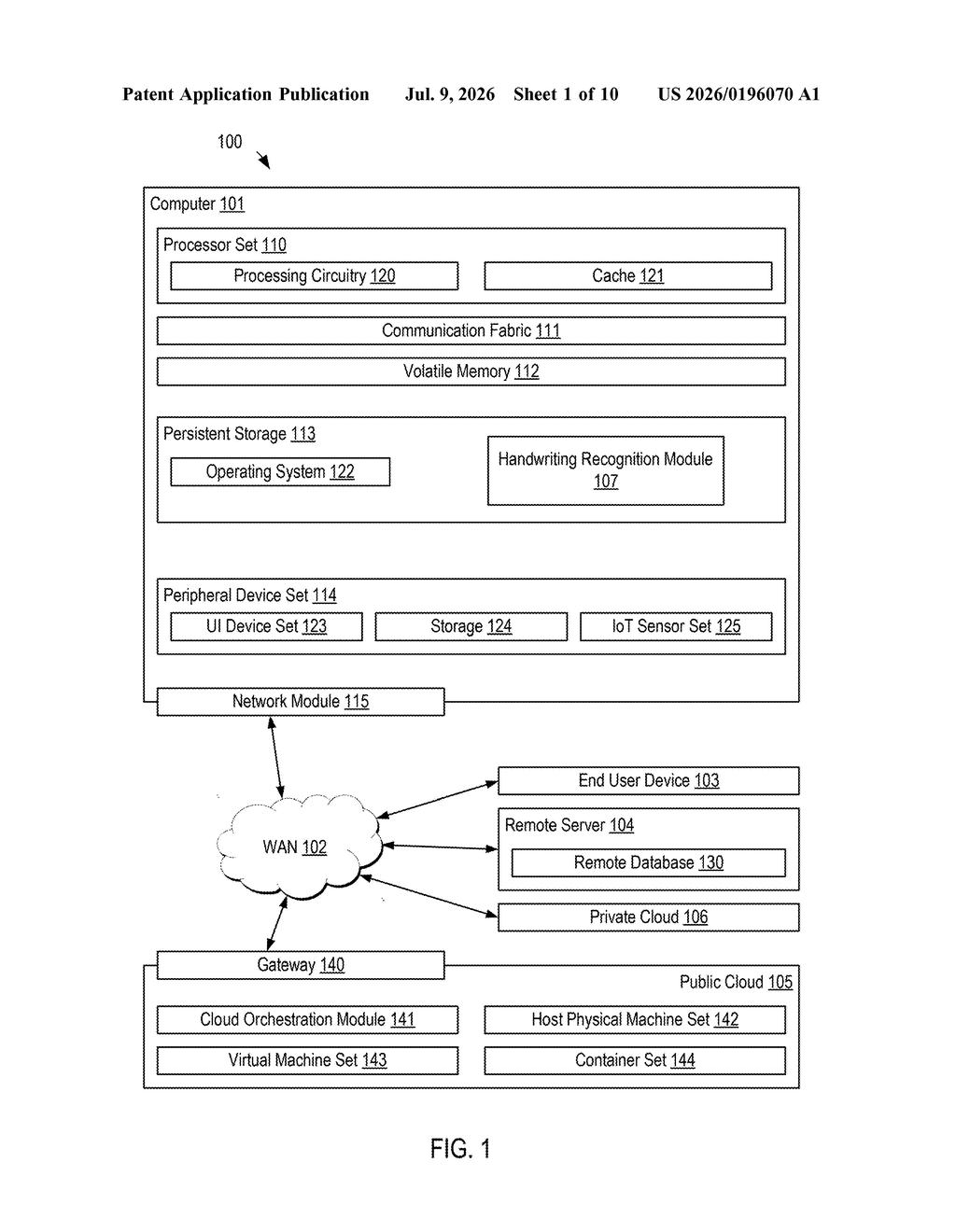
How IBM's stroke-tracing handwriting reader works
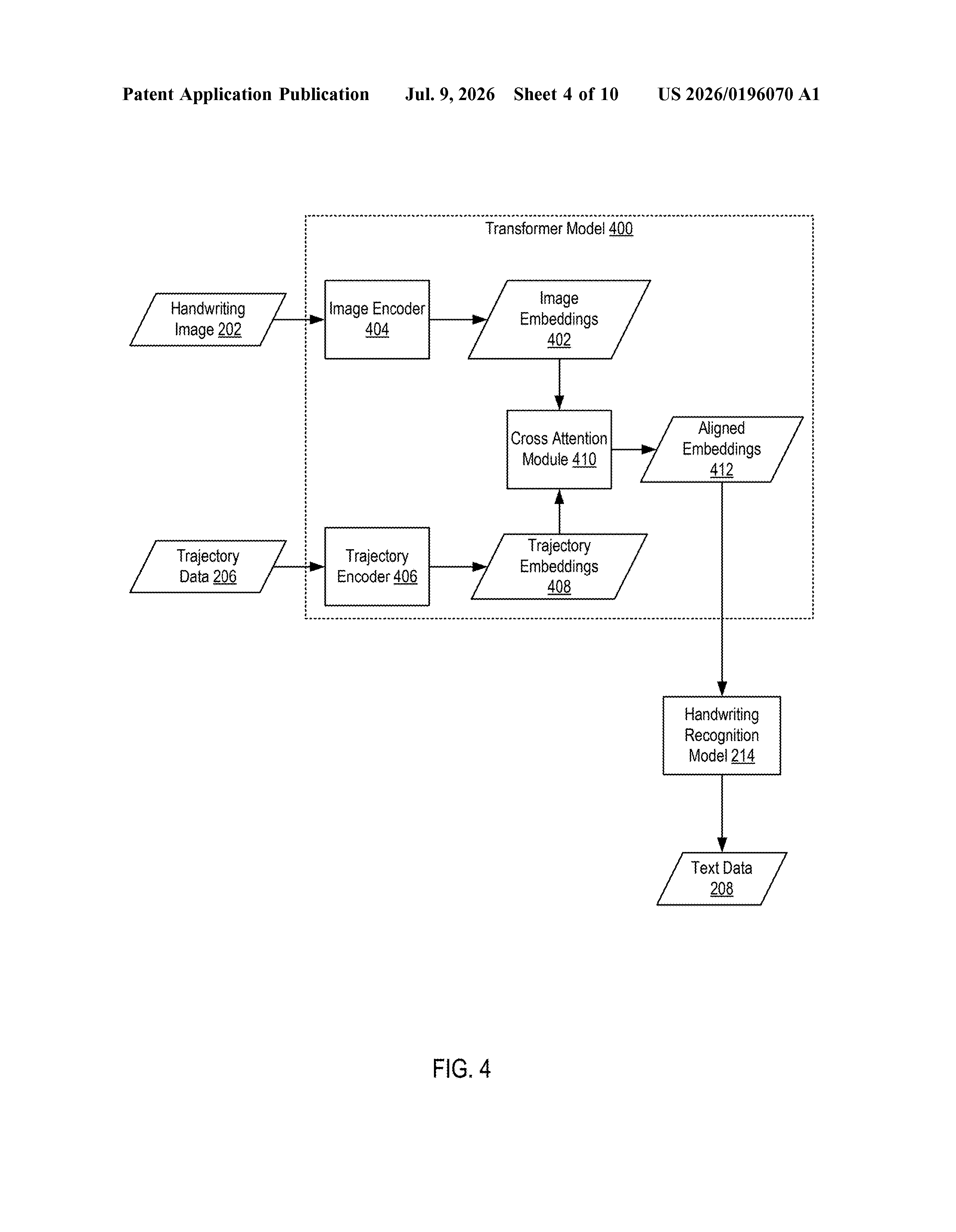
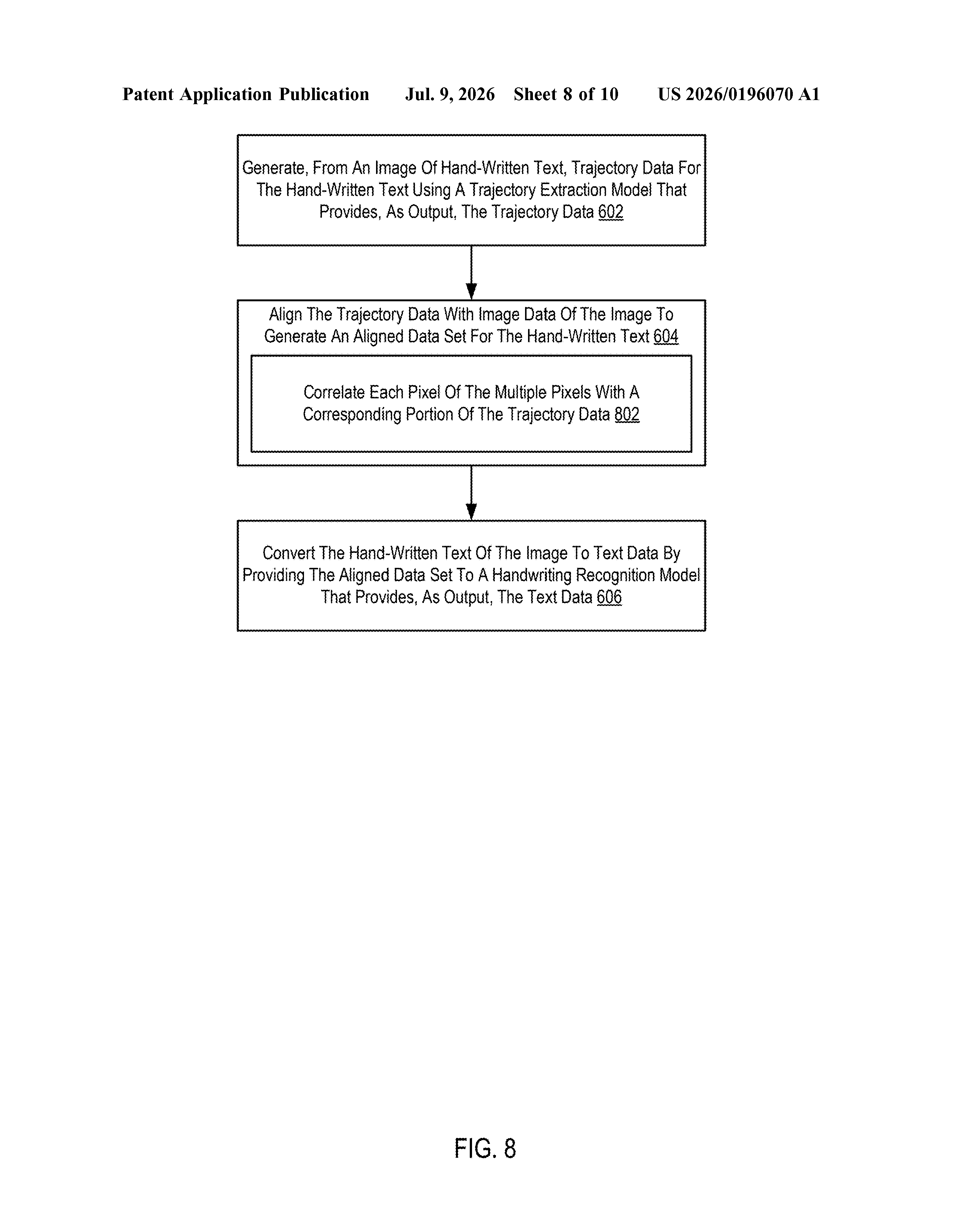
Imagine you hand someone a photograph of a handwritten note and ask them to type it up. A typical computer program would squint at the shapes of the letters and guess. IBM's approach adds a step: before guessing what the letters say, a first AI traces the paths the pen most likely traveled to form each stroke, as if rewinding the act of writing.
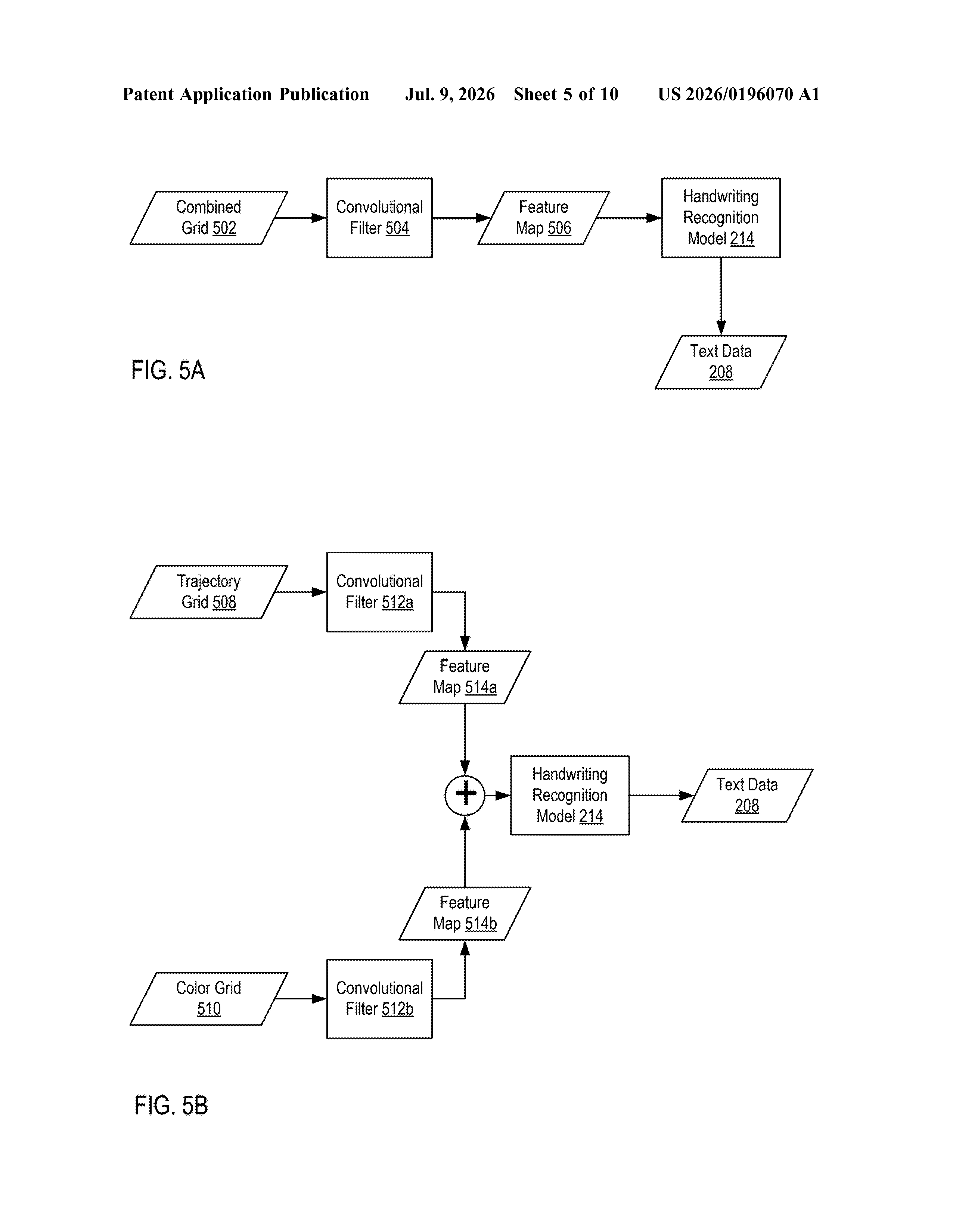
Those traced paths are then combined with the original image and handed to a second AI, which uses both the visual shapes and the stroke-movement information to figure out what the text says.
The idea is that knowing how a letter was written, not just what it looks like, gives the system more clues to work with, especially for messy or ambiguous handwriting where the same squiggle could be a lowercase 'a' or a 'u' depending on how the pen moved.
How the two AI models split the recognition job
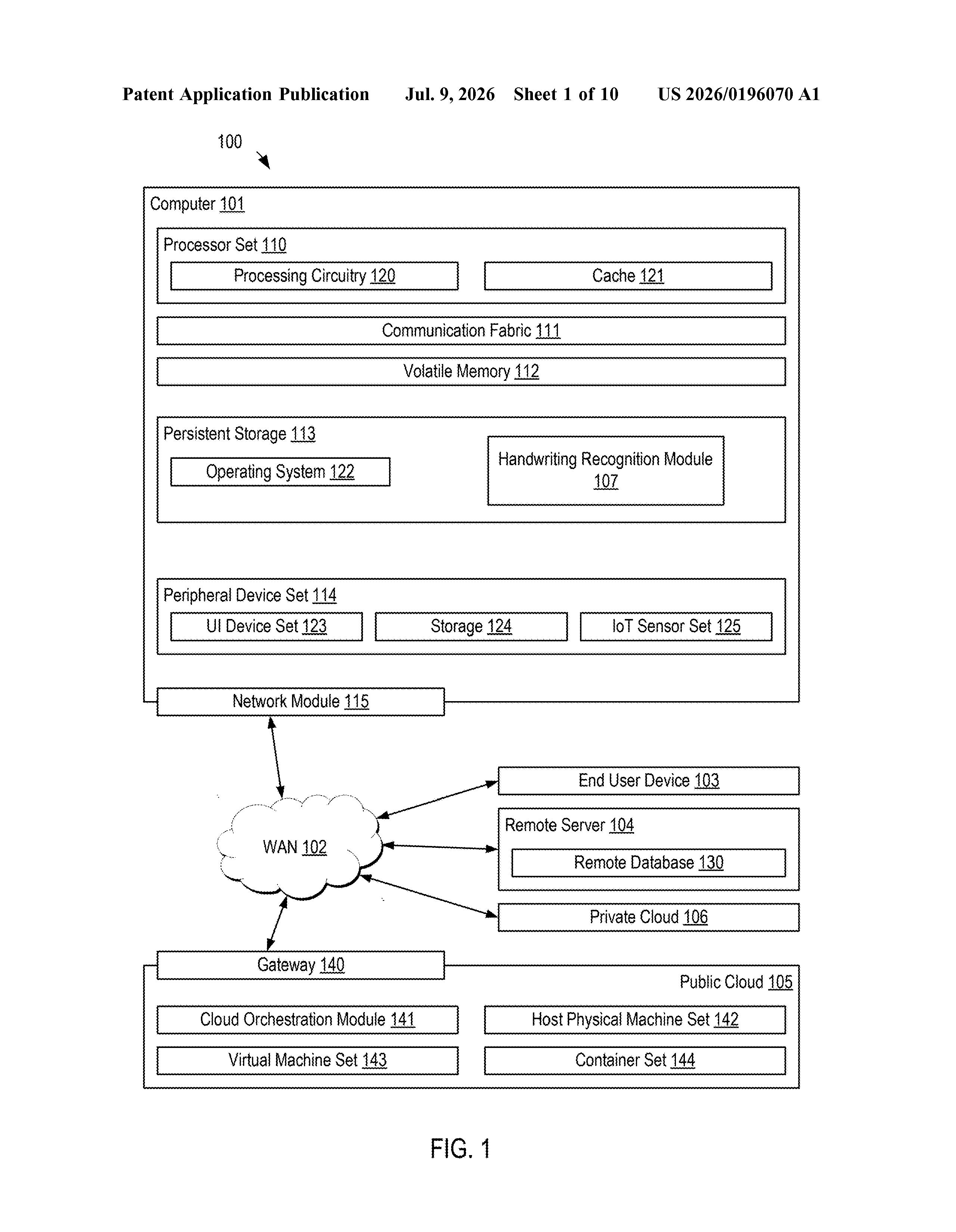
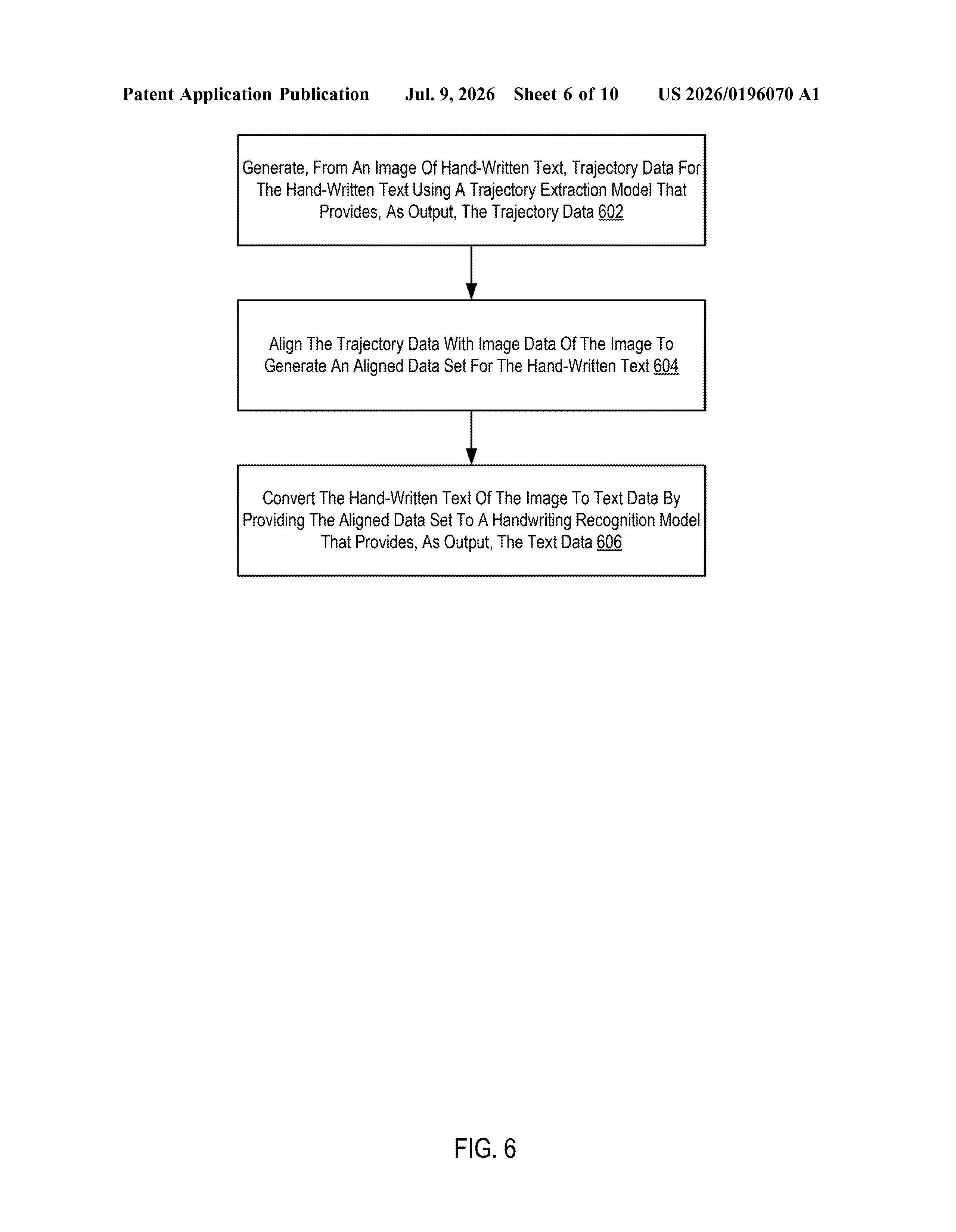
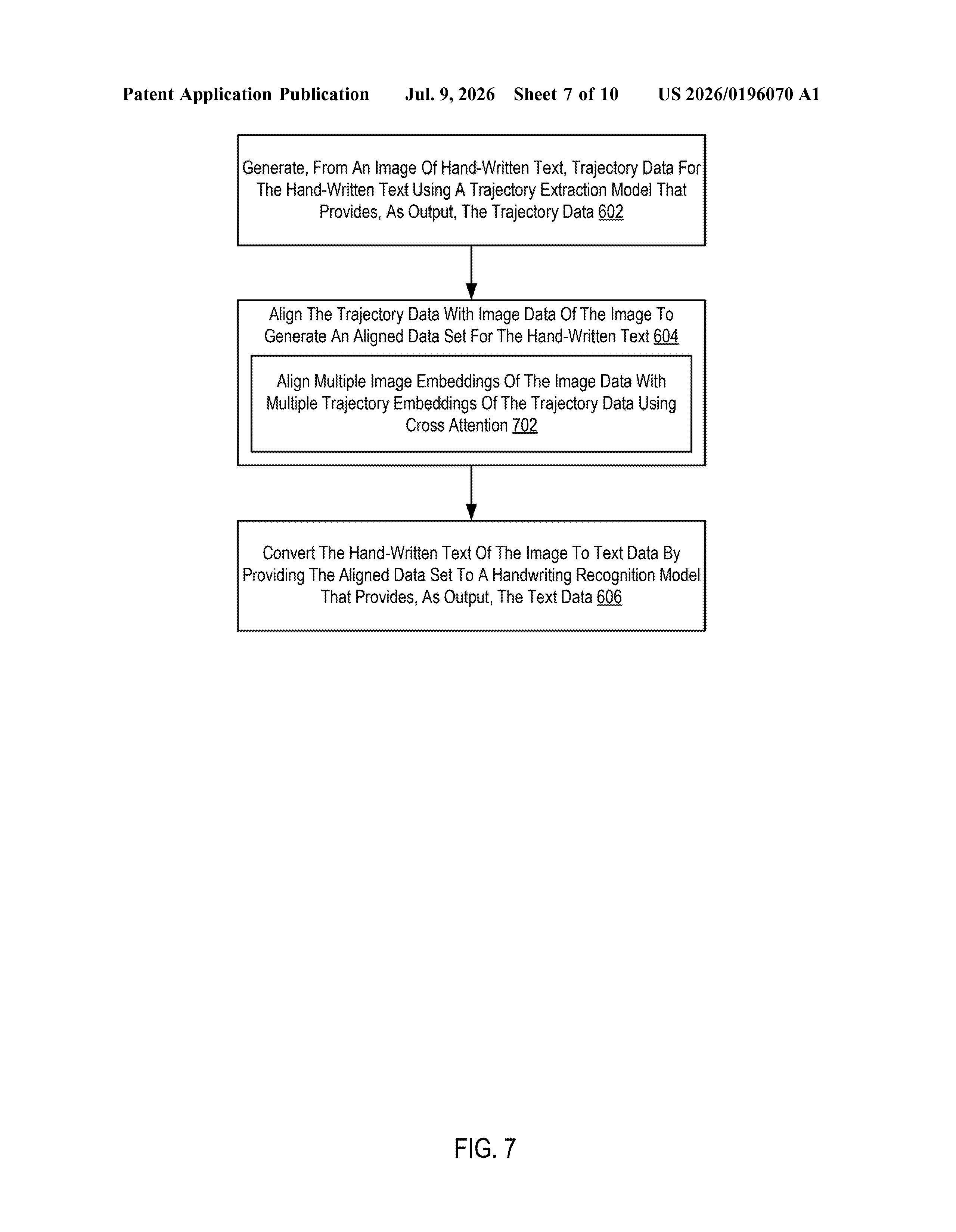
The patent describes a pipeline with two separate machine learning models working in sequence.
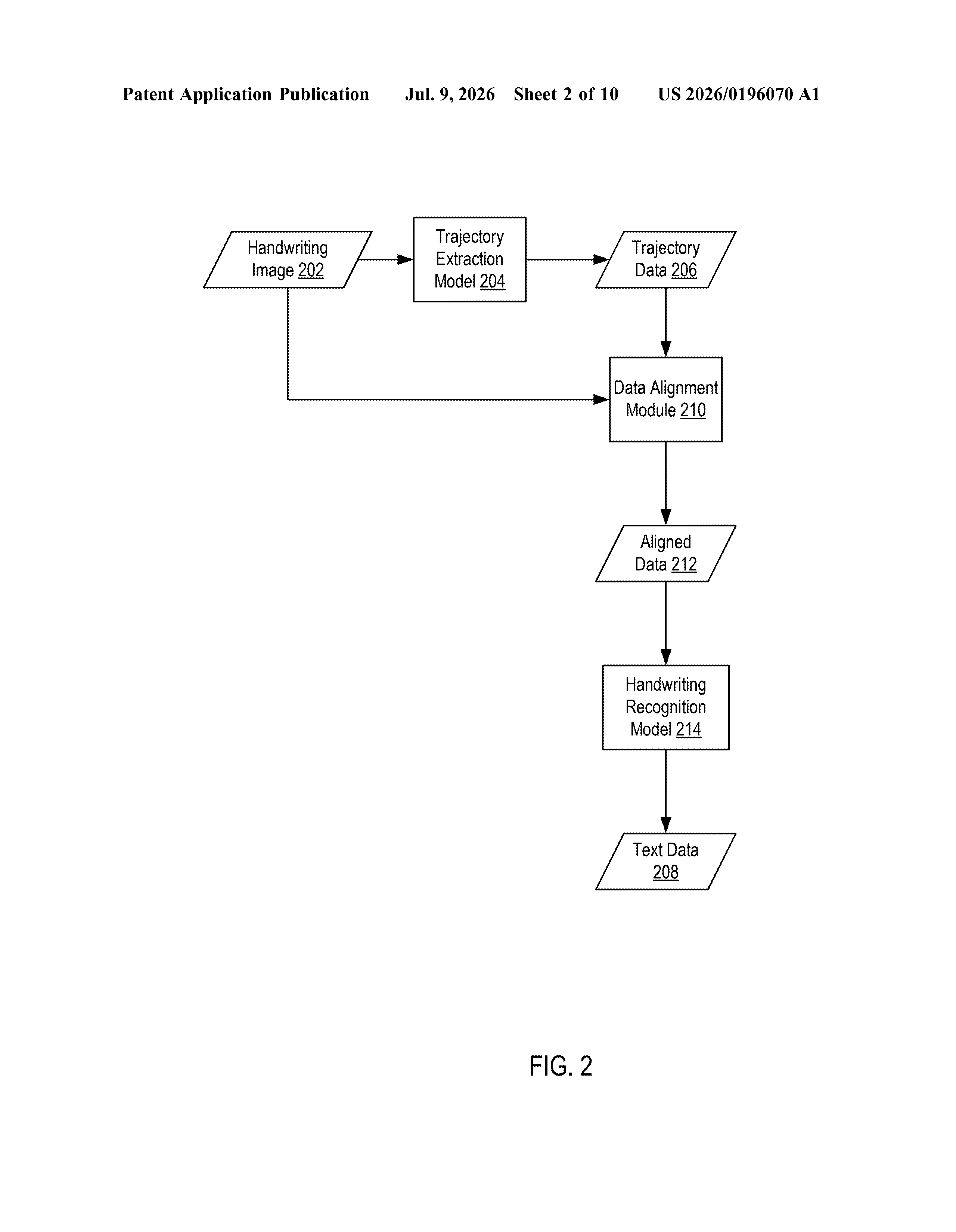
Model one takes a static image of handwritten text and outputs trajectory data (a reconstruction of the pen's path through each stroke, essentially inferring the motion that produced the image). This is a non-trivial task because a photograph contains no motion information at all; the model has to infer stroke order and direction from visual cues like ink thickness, curve shapes, and overlap patterns.
A software alignment step then synchronizes the trajectory data with the original pixel data so the two sources of information map onto the same coordinates in the image.
Model two receives this combined, aligned dataset and outputs machine-readable encoding (standard digital text) representing what the handwriting says. By feeding both spatial pixel information and inferred stroke-path information into the second model, the system gives that model richer context than a pixel-only image would provide.
The patent does not specify the exact model architectures used for either step, which keeps the claim broad.
What this means for digitizing handwritten documents
Handwriting recognition has been a hard problem for decades, and it remains imperfect for cursive, non-English scripts, and documents with degraded ink or paper. Adding inferred stroke-trajectory information is a reasonable engineering approach to closing the gap, particularly for enterprise use cases like digitizing historical records, processing handwritten forms, or reading physician notes.
For IBM, whose business is heavily oriented toward enterprise AI and document-processing tools, a better handwriting pipeline fits squarely into products like IBM Watson or its document-intelligence offerings. Whether this specific two-model architecture outperforms existing end-to-end systems is a question the patent itself doesn't answer, but the direction is technically sound.
This is a sensible, incremental improvement to a real problem rather than a flashy research leap. The core insight, that stroke-path information should help decode ambiguous letterforms, is well-grounded and worth pursuing. That said, IBM's patent is light on specifics about model architecture and training data, which makes it more of a broad claim on the approach than a detailed technical disclosure.
Get our take in your Top Stories
Liked this breakdown? Add Patentlyze as a preferred source on Google, and our plain-English take shows up more often in your Top Stories the next time IBM patent news breaks.
There are more where this came from
We read every patent application Big Tech publishes and send you the ones worth knowing. Plain English, free, every week.
The drawings
10 drawing sheets from US 2026/0196070 A1 · click any drawing to enlarge
Want this weekly breakdown for a company we don't cover? Patentlyze Pro →