
Qualcomm Patents a Three-Stage AI System That Skips Work Until Something Changes
Running AI models constantly is expensive — on a phone or a connected device, it drains the battery and burns processing power. Qualcomm's new patent describes a smarter gatekeeping system: three AI models working in sequence so the heavy-duty processing only kicks in when the incoming data has actually changed.
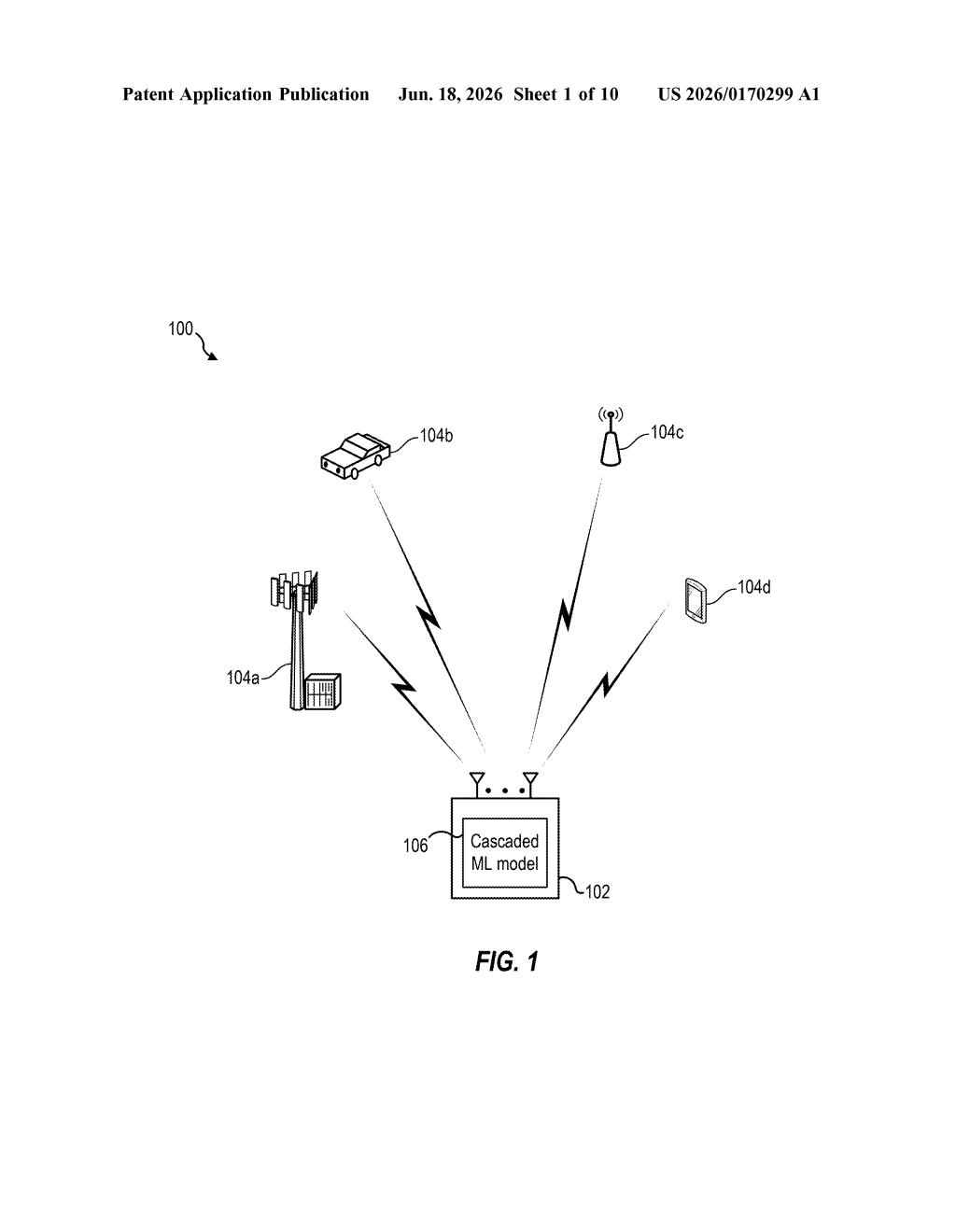
How Qualcomm's sensor-filtering AI actually works
Imagine your home's motion sensor — it doesn't send an alert every second, only when something moves. Qualcomm's patent applies the same logic to AI on wireless devices. Instead of running one big AI model on every incoming sensor reading, it runs a lightweight "gatekeeper" first. That gatekeeper asks one simple question: has anything changed since the last reading? If not, it stops there.
If something has changed, a second, slightly heavier model steps in. Its job is to look at what kind of data is coming in and choose the right specialist — a third model built specifically for that type of situation. Only that specialist actually does the full analysis.
The result is a system that spends most of its time doing very little, then briefly calls in the right expert when it's needed. That's good news for battery life and processing load on any device — phone, sensor node, or wearable — that needs to run AI continuously.
Inside the gating, selector, and actuator model chain
The patent describes a three-stage cascade of AI models, each with a distinct role:
- Gating model: Takes incoming sensor data and compares it to the previous reading. Its only job is to detect whether anything meaningful has changed. If the delta (the difference) is small, the pipeline stops — no further processing needed.
- Selector model: If the gating model flags a real change, the selector takes over. It classifies the incoming sensor data and picks the appropriate actuator model from a library of specialist models, each tuned to a different category of sensor input.
- Actuator model: The chosen specialist runs the actual inference — the real analytical work — on the data.
This architecture is described in the context of wireless communications, where devices routinely process streams of sensor data (motion, signal quality, environmental readings) and need to make fast decisions without draining limited compute budgets.
The key efficiency gain is that the gating model is cheap to run. Most of the time, sensor data doesn't change much between readings, so the cascade exits early. The full three-stage pipeline only engages when data genuinely warrants it — which, in practice, is far less often than every single sample.
What this means for AI on phones and wireless devices
For any device that runs AI continuously — a phone tracking motion, a wireless sensor monitoring an environment, a wearable reading biometrics — the cost of always-on AI adds up fast. Qualcomm makes the chips that power a huge share of Android phones and IoT devices, so an efficiency architecture like this, if implemented in hardware or firmware, could meaningfully extend battery life or free up compute for other tasks on devices you already own.
The broader implication is that AI on the edge (meaning AI running locally on a device, not in the cloud) lives or dies by how well it avoids doing unnecessary work. This cascaded approach is a practical answer to that constraint — and positions Qualcomm's chips as a natural home for it.
This is a tidy, well-reasoned efficiency patent rather than a flashy capability leap. The cascaded-model idea isn't new in AI research, but patenting a specific implementation tied to sensor data classification and wireless device constraints is meaningful territory for Qualcomm to claim. If this shows up in Snapdragon firmware for always-on sensing features, it'll be invisible to users — and that's exactly the point.
There are more where this came from
We read every patent application Big Tech publishes and send you the ones worth knowing. Plain English, free, every week.
Want this weekly breakdown for a company we don't cover? Patentlyze Pro →