
Adobe Patents AI System That Corrects Its Own Document Summaries Through Self-Feedback
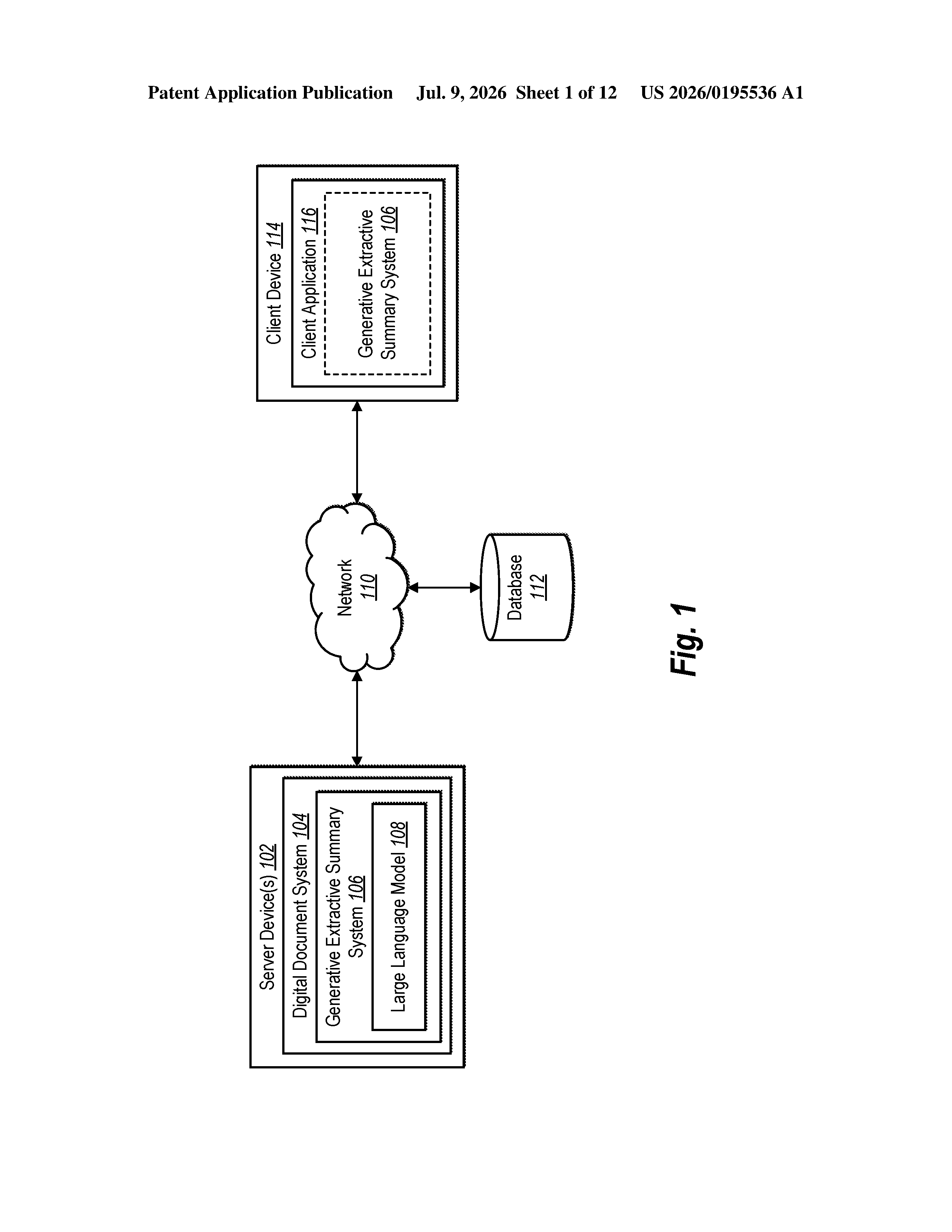
Adobe is patenting a way to make its AI summarization tools learn from their own mistakes, grading a first-draft summary against a better one and then adjusting the AI until the gap closes.
What Adobe's self-correcting summary AI actually does
Imagine asking an AI to summarize a long report, and it hands you something that technically pulls real sentences from the document but reads like a ransom note, choppy and out of order. That's the core problem Adobe is trying to solve here.
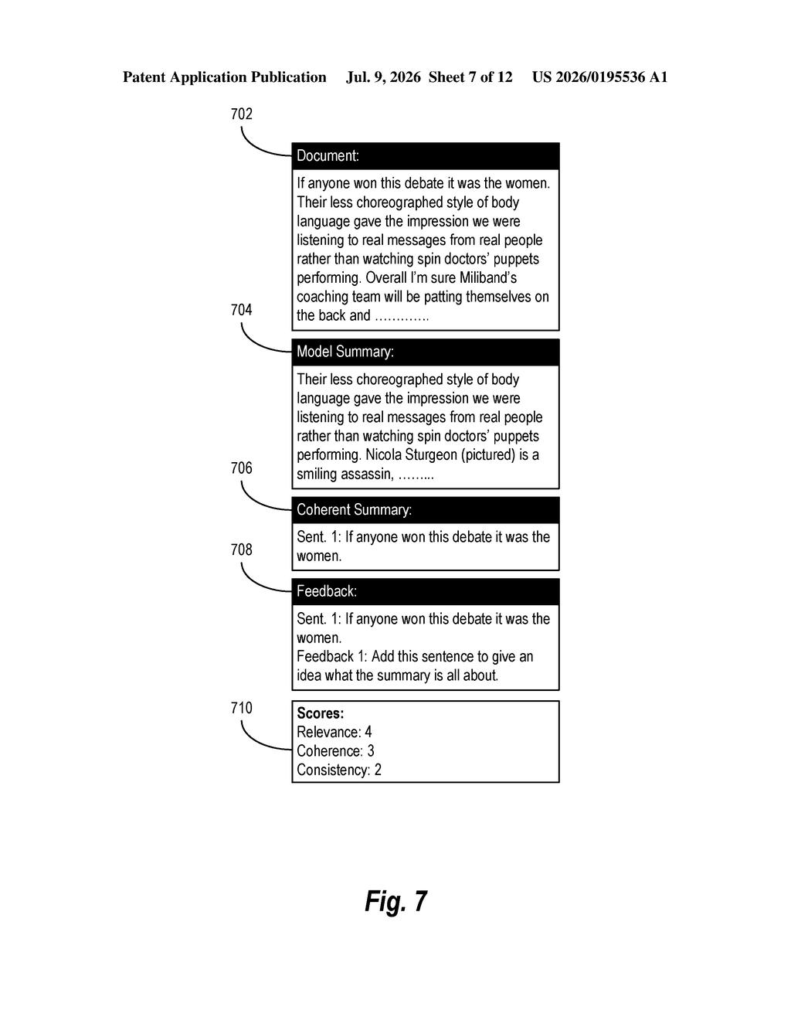
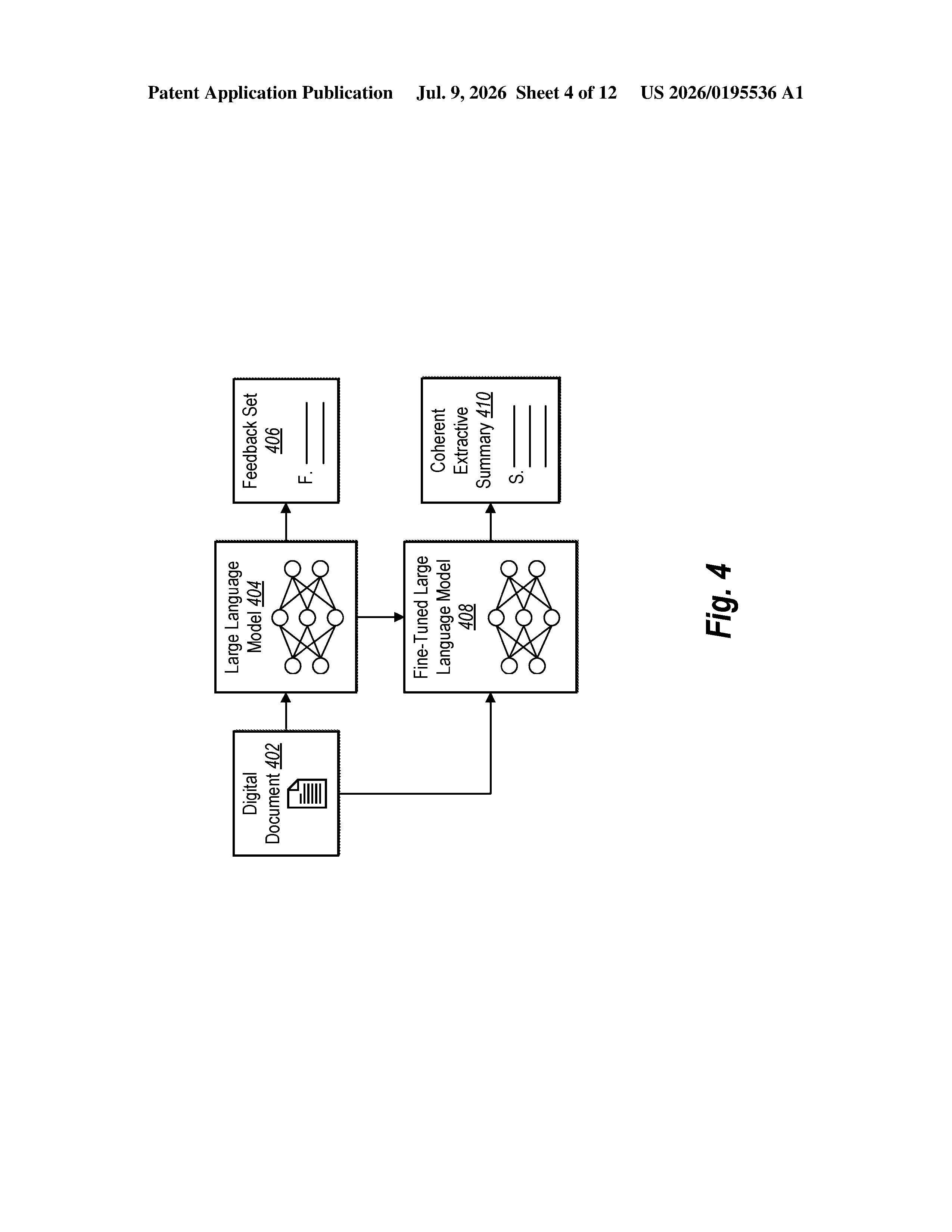
Adobe's system works in a loop. An AI first tries to summarize a document by picking out key sentences (what researchers call an "extractive" summary, copying rather than paraphrasing). Then a second process compares that draft to a better, more coherent version and writes up a report card: what was wrong, how wrong, and why.
The AI then uses that report card to update itself, so the next summary it writes is a little less awkward. Repeat that process enough times and, in theory, you get an AI that reliably produces summaries that actually read like something a person wrote.
How the feedback loop retrains the summary model
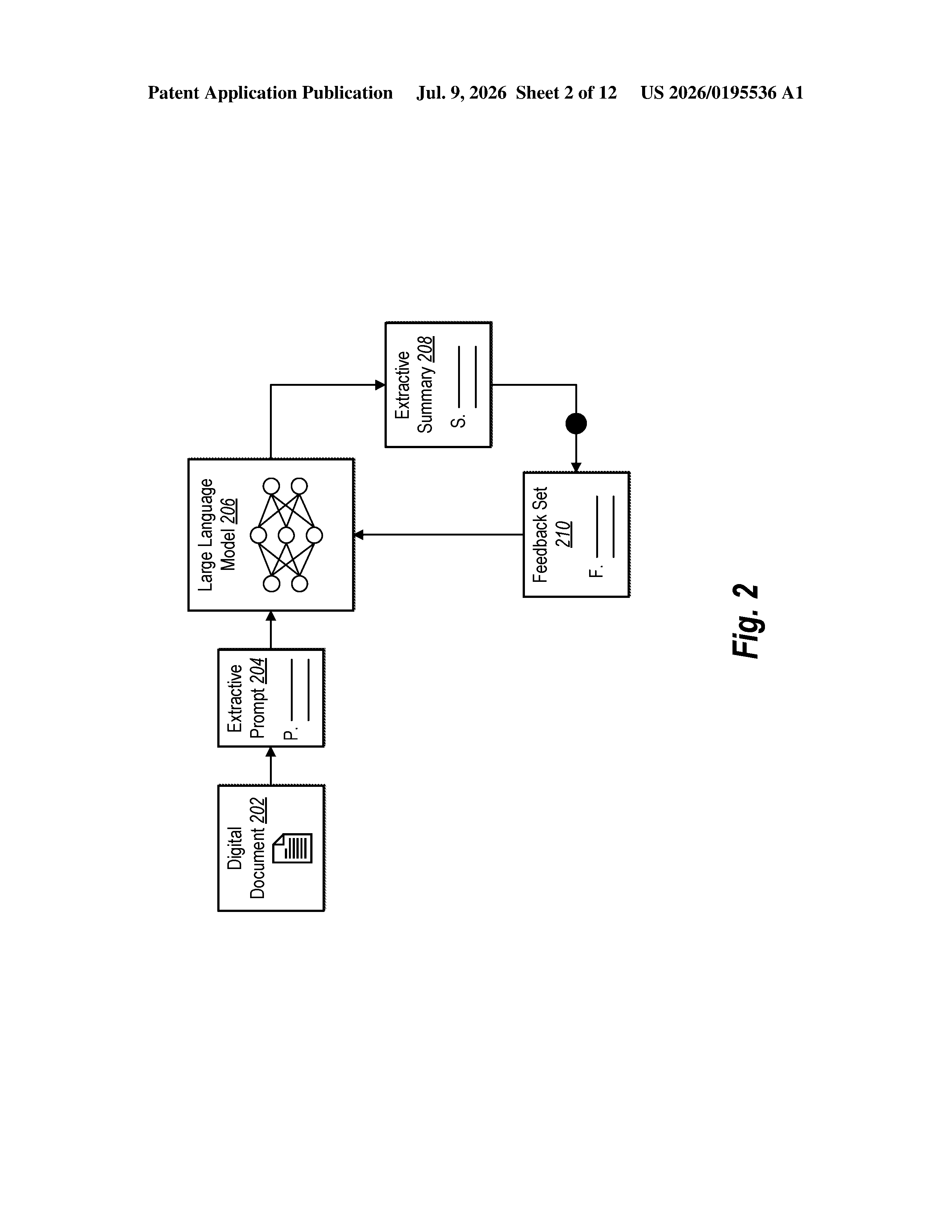
The patent covers a three-step training pipeline for improving extractive summarization (pulling sentences directly from a document, rather than paraphrasing) using a large language model (LLM).
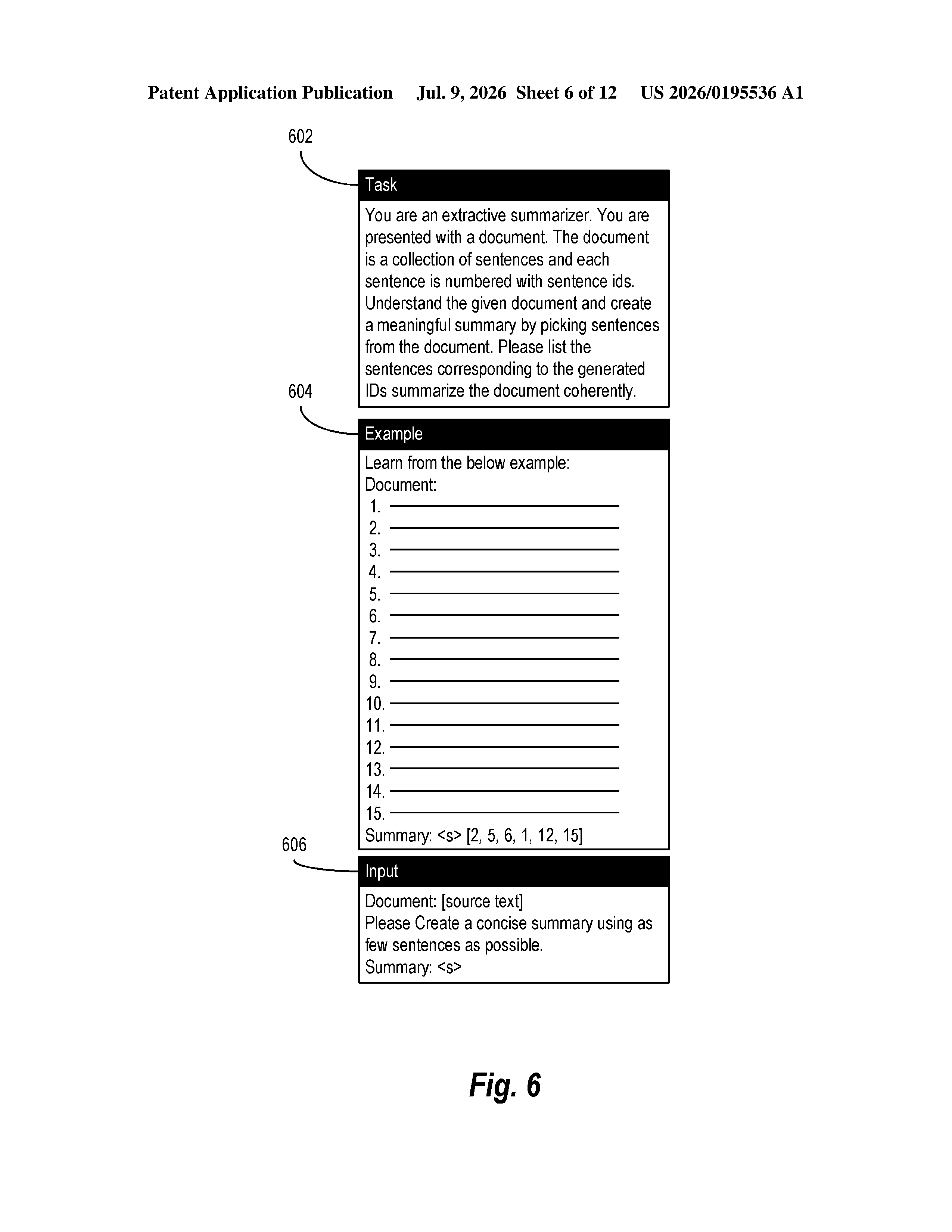
- Step 1, Generate a draft: The LLM reads a document and produces an initial extractive summary by selecting and ordering sentences from the source text.
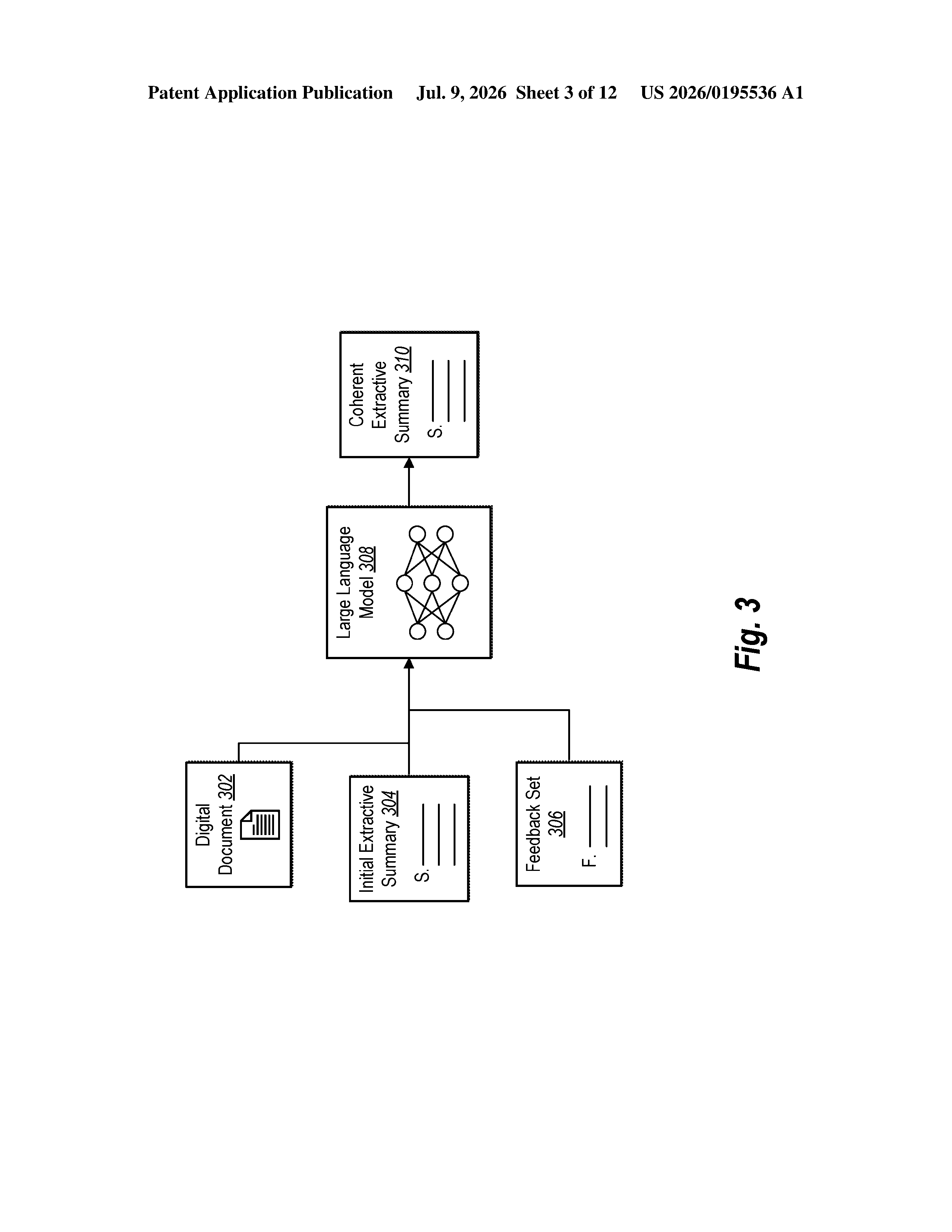
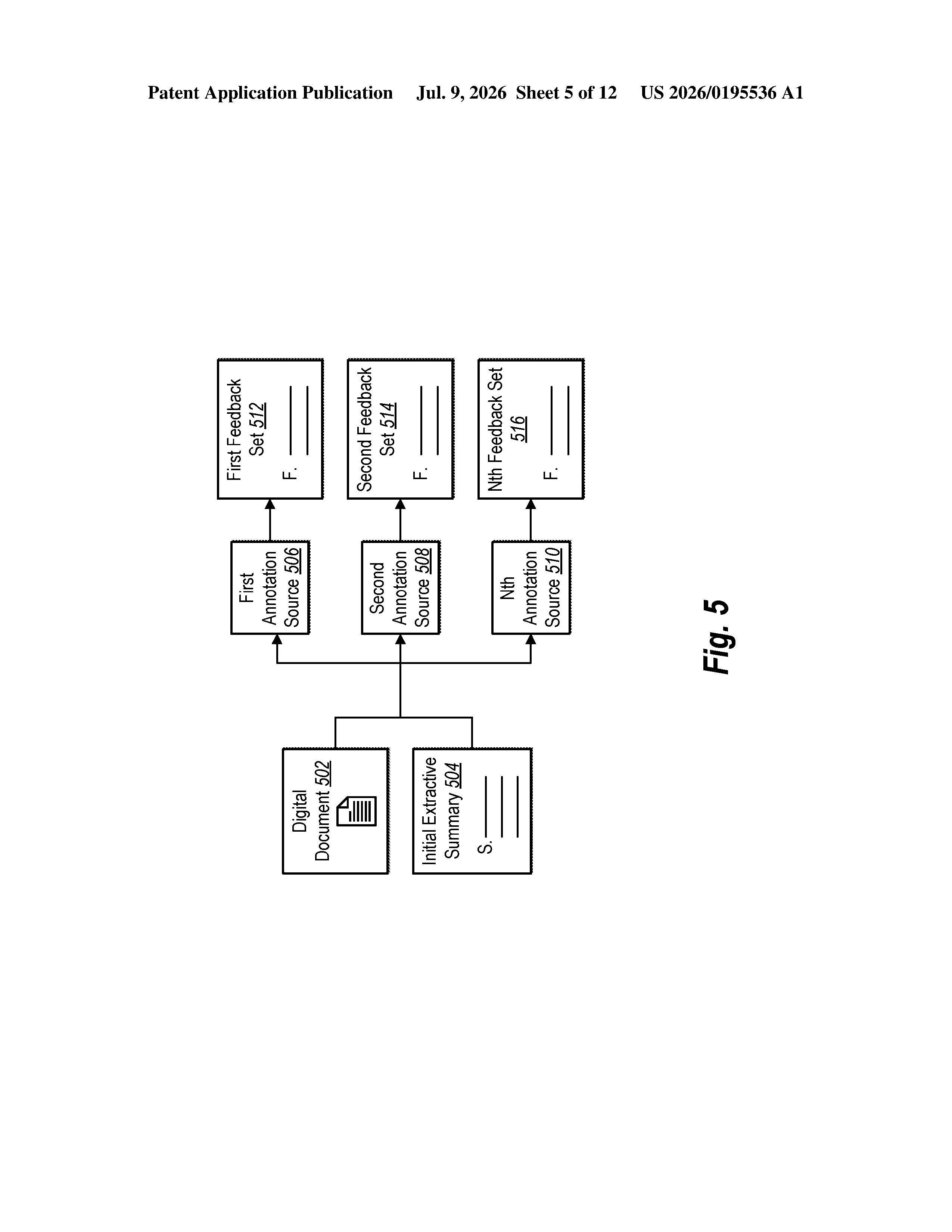
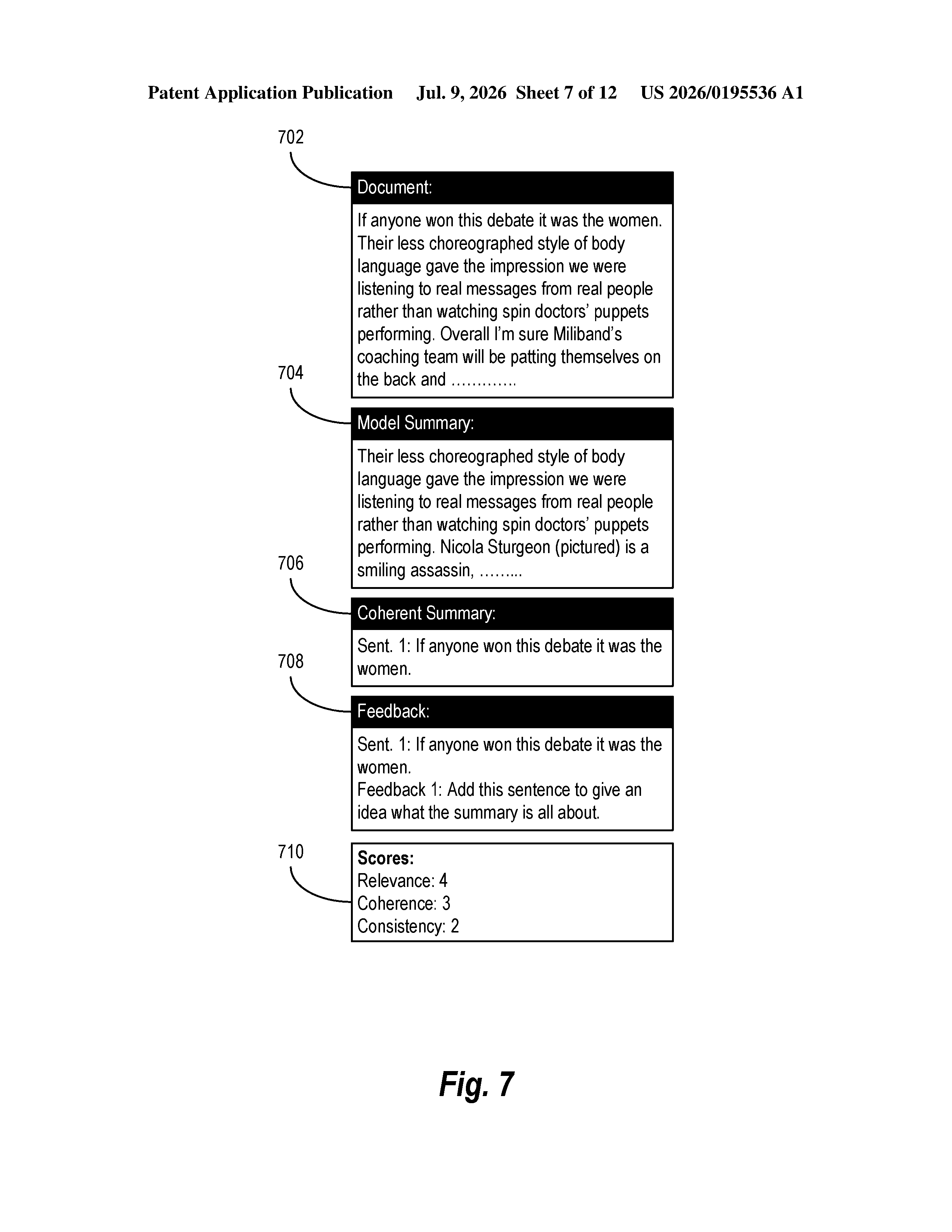
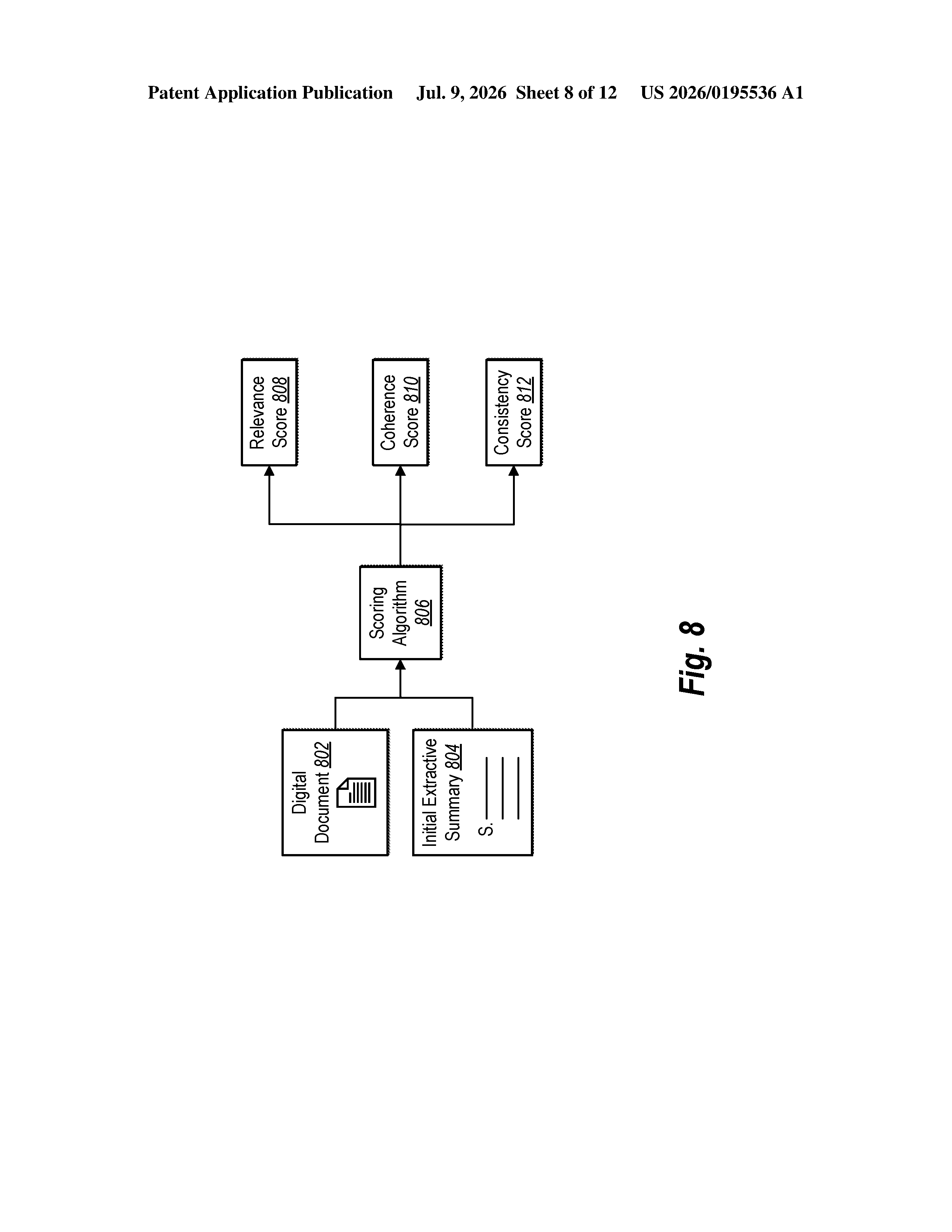
- Step 2, Build a feedback set: The system compares that draft to one or more high-quality "coherent" summaries. It generates two things: annotations (specific notes about what was wrong, such as missing context or poor sentence ordering) and quality scores (numeric grades for the draft).
- Step 3, Fine-tune the model: The LLM's internal parameters are adjusted based on the feedback, nudging it to produce output closer to the coherent reference summaries next time.
The key idea is using the model's own initial failures as training data. Rather than requiring humans to annotate thousands of documents from scratch, the system generates its own correction signals, which makes the training process cheaper and faster to scale.
What this means for AI-powered document tools
Adobe already builds document and PDF tools used by millions of people at work, so a patent aimed at making AI summaries read more naturally is directly applicable to products like Acrobat's AI Assistant. If the technique works at scale, you'd get document summaries that are easier to actually use, not just technically accurate but awkwardly assembled excerpts.
More broadly, this approach of having an AI critique its own output and retrain on those critiques is increasingly common in AI development, so Adobe is staking a claim in a competitive space. The patent doesn't guarantee a product ships, but it signals where Adobe is investing engineering effort inside its document AI pipeline.
This is a real and worthwhile engineering problem. Extractive summaries are notoriously choppy, and the self-critiquing training loop Adobe describes is a practical way to improve them without massive human annotation costs. It's not a flashy consumer feature, but it's exactly the kind of foundational work that determines whether AI document tools are actually useful in practice.
Get our take in your Top Stories
Liked this breakdown? Add Patentlyze as a preferred source on Google, and our plain-English take shows up more often in your Top Stories the next time Adobe patent news breaks.
There are more where this came from
We read every patent application Big Tech publishes and send you the ones worth knowing. Plain English, free, every week.
The drawings
12 drawing sheets from US 2026/0195536 A1 · click any drawing to enlarge
Want this weekly breakdown for a company we don't cover? Patentlyze Pro →