
Qualcomm Patents a Way to Split AI Video Analysis Between Two Devices
Instead of sending raw video over a network for an AI to analyze, Qualcomm's new patent describes a system where one device does part of the thinking, then sends a compressed summary to a second device to finish the job.
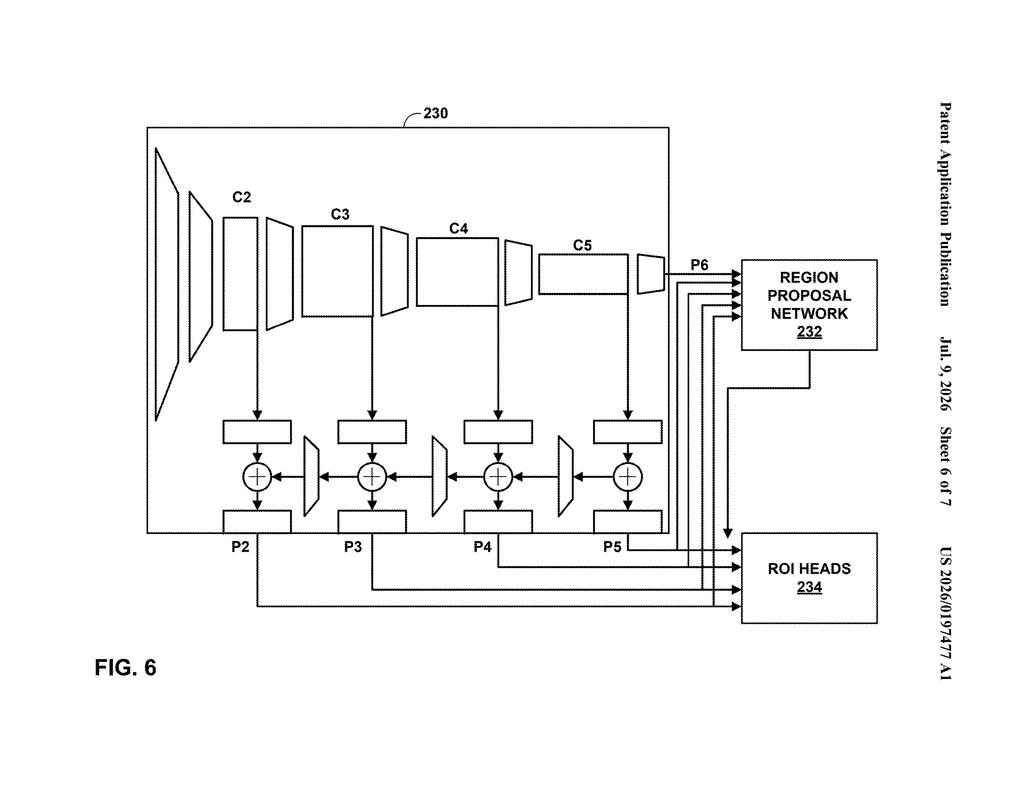
How Qualcomm's split video-AI pipeline actually works
Imagine a security camera that needs to identify every car passing through a parking lot. Today, it might send every frame of raw video to a server somewhere, which then runs the AI analysis. That wastes a lot of bandwidth and puts all the heavy lifting in one place.
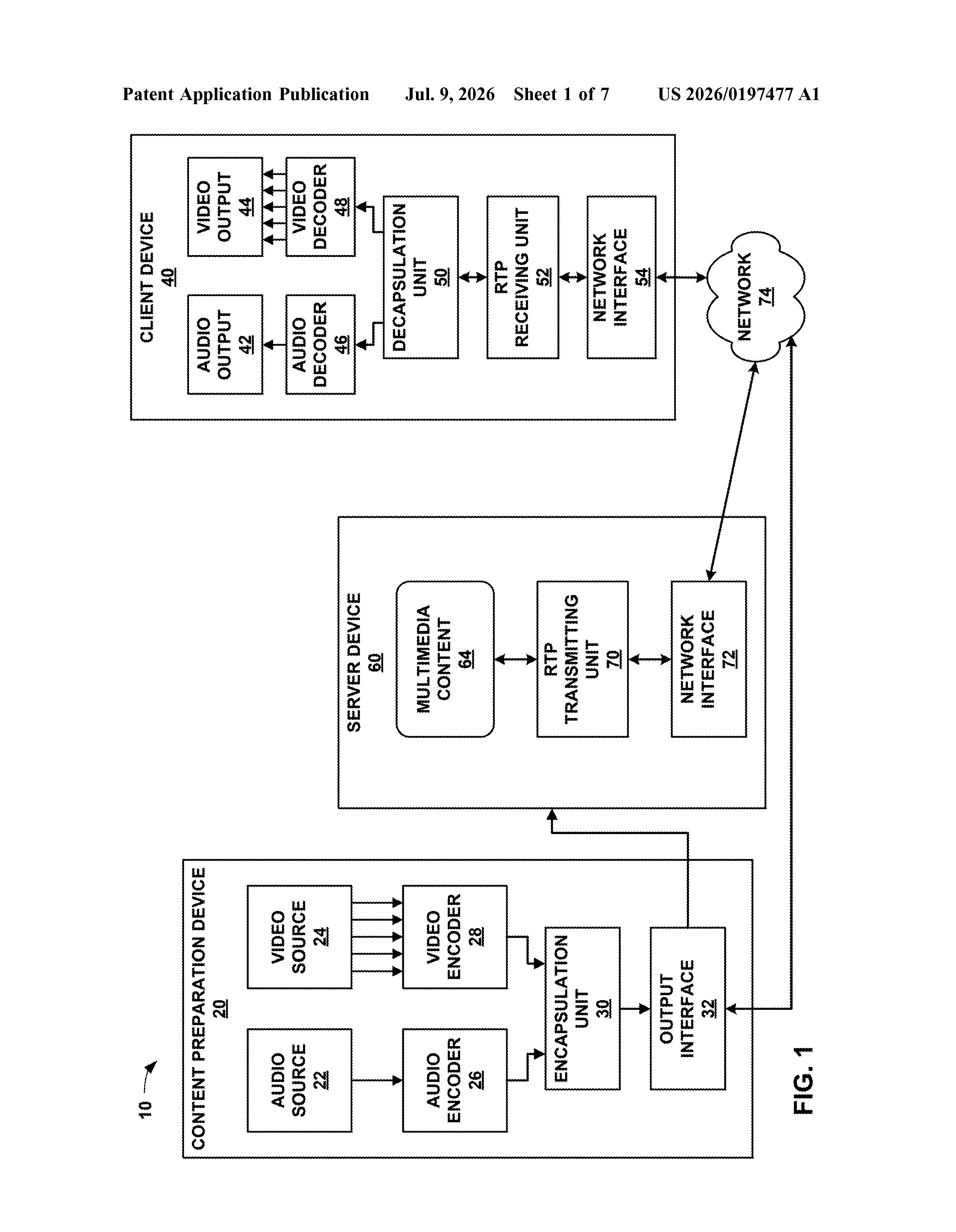
Qualcomm's patent describes a different approach: the camera itself does some of the early AI processing, turning the video into a compact set of feature data (think of it as a compressed description of what matters in the image, not the image itself). That smaller package gets sent to a second device, which completes the analysis.
The idea is to spread the workload across two devices rather than dumping everything on one. The camera handles the first steps; a server, another chip, or a cloud node handles the rest. You get the same result with less data flying over the network.
How the feature map gets encoded and handed off
The patent describes a two-node processing pipeline specifically designed for video coding for machines (VCM), a field where video is encoded not for human eyes but for AI systems to interpret.
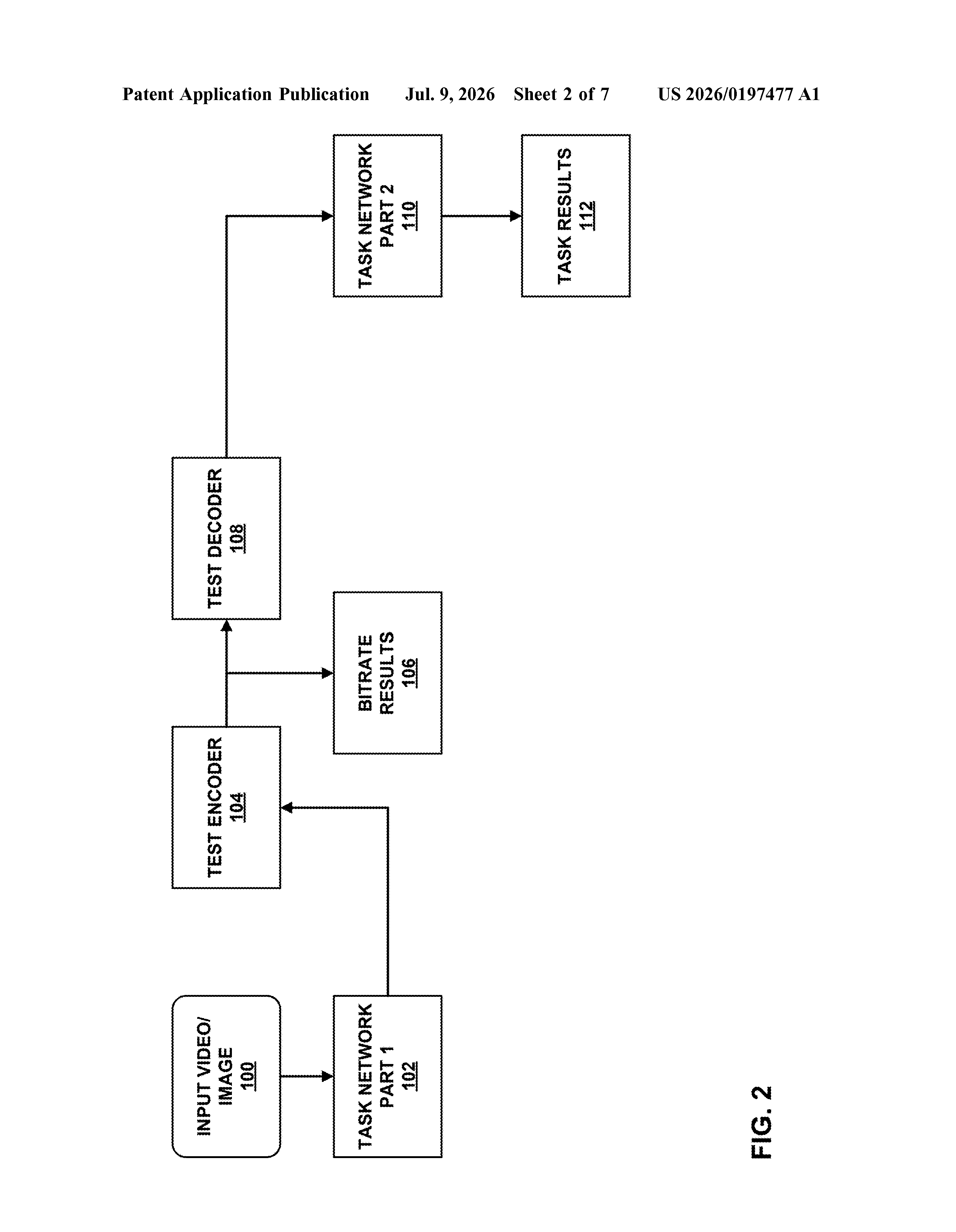
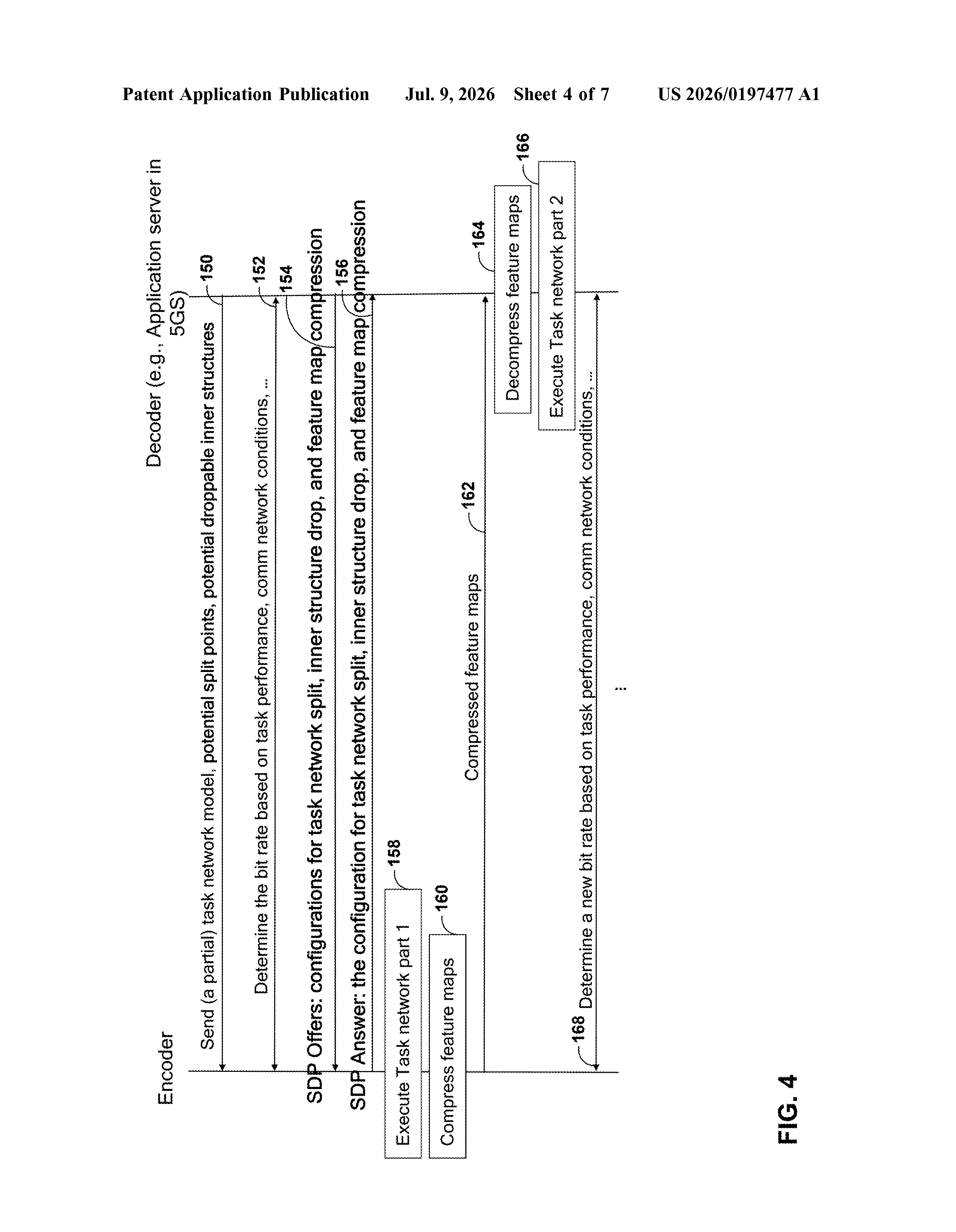
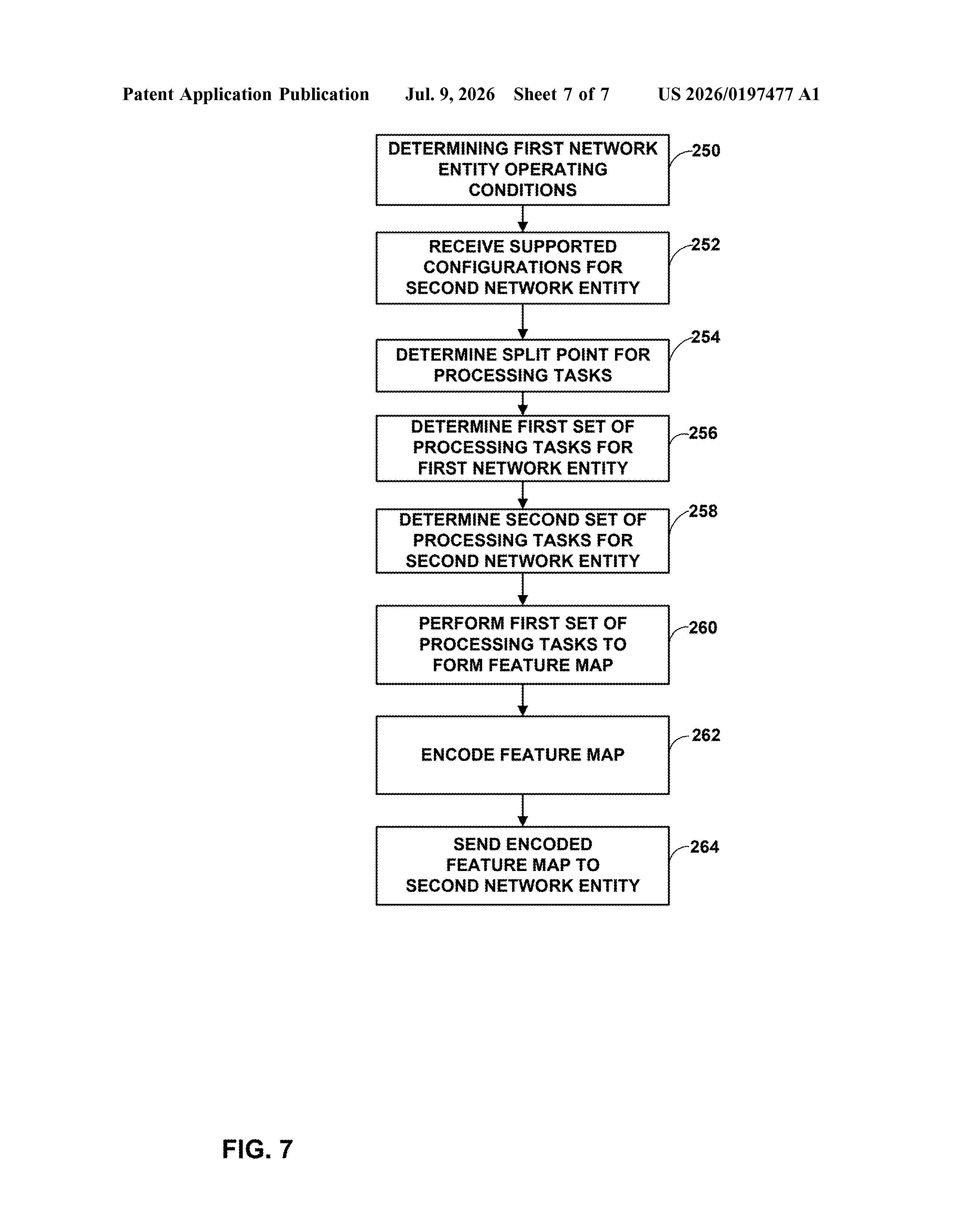
The first network entity (think: a camera, a phone, or an edge chip) runs an initial set of tasks on the raw media. These produce a feature map (a structured numerical representation of patterns the AI found useful, similar to an intermediate layer inside a neural network). That feature map is then encoded (compressed) to reduce its size for transmission.
The compressed feature map is sent to a second network entity, which picks up the processing from where the first device left off. The second entity uses the received feature map to complete the remaining AI tasks, such as object detection or scene classification, without ever seeing the original video frames.
Key elements of the system include:
- A defined split point where one device stops and the other begins
- Encoding of the intermediate feature map to keep bandwidth low
- A handoff protocol so the second device knows exactly which processing steps remain
What this means for cameras and edge AI devices
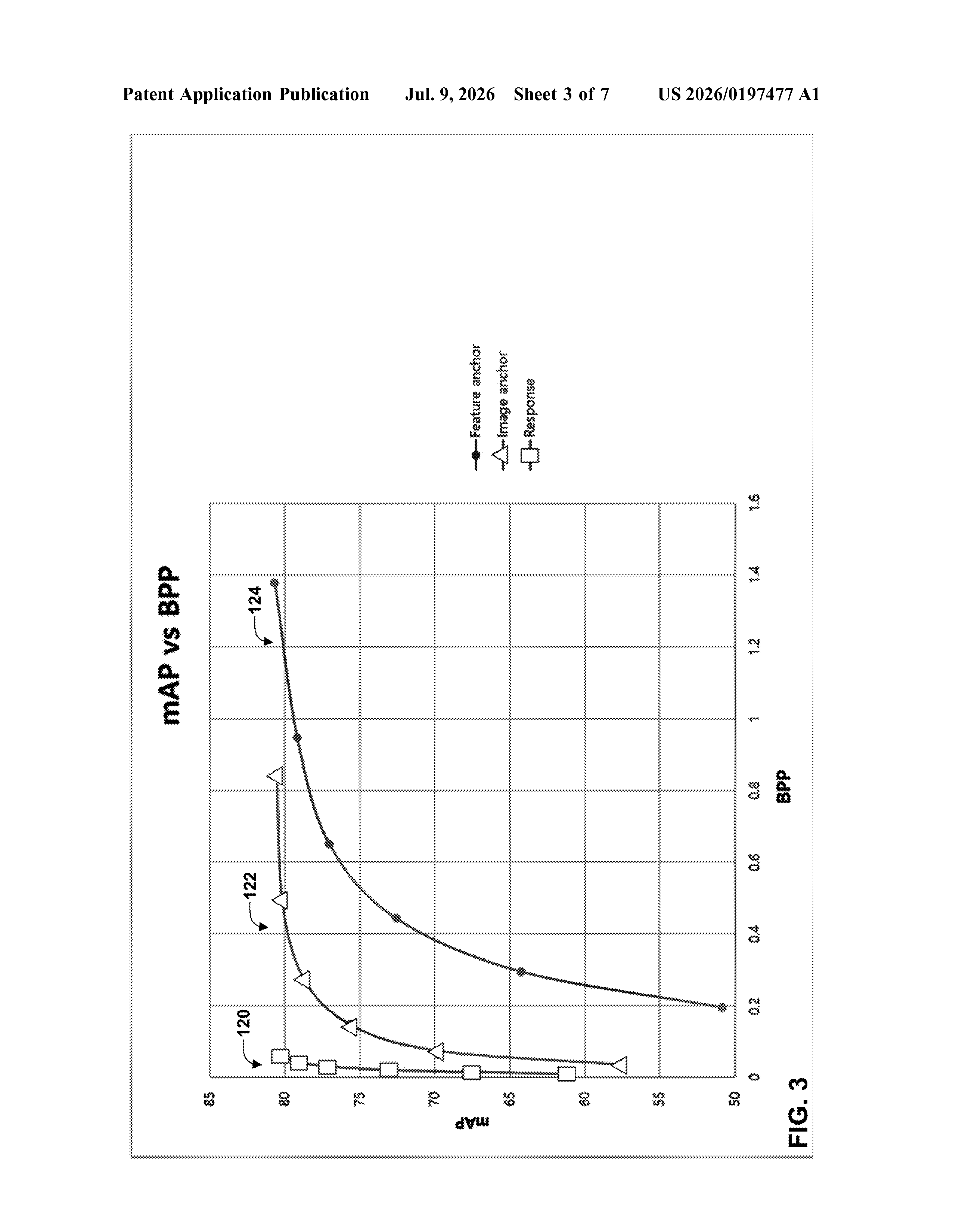
For edge AI deployments like connected cameras, drones, or factory sensors, sending full video streams to a cloud server is expensive and slow. By compressing intermediate AI data instead of raw video, Qualcomm's approach could make real-time analysis practical in situations where network bandwidth is limited or costly.
This also fits into a broader industry direction toward split computing, where AI workloads are deliberately divided between low-power local hardware and more capable remote processors. If this makes it into Qualcomm chipsets, it could influence how the next generation of smart cameras and IoT devices are designed from the ground up.
This is infrastructure-level patent work, not a flashy consumer feature. But Qualcomm sells chips into cameras, phones, and edge devices at massive scale, so a practical split-computing approach for AI video analysis is genuinely useful. The patent is narrow enough to be credible and broad enough to matter if it ships.
Get our take in your Top Stories
Liked this breakdown? Add Patentlyze as a preferred source on Google, and our plain-English take shows up more often in your Top Stories the next time Qualcomm patent news breaks.
There are more where this came from
We read every patent application Big Tech publishes and send you the ones worth knowing. Plain English, free, every week.
The drawings
7 drawing sheets from US 2026/0197477 A1 · click any drawing to enlarge
Want this weekly breakdown for a company we don't cover? Patentlyze Pro →