
Amazon Patents a Safety System That Stops Robots From Overheating Themselves
A robot that pushes too hard can burn out a motor, strip a joint, or worse, hurt someone nearby. Amazon's newest patent describes a system that watches for exactly that and steps in before things go wrong.
What Amazon's robot thermal safety system actually does
Imagine you're lifting boxes all day and your arms start to overheat. A sensible person would take a break, switch tasks, or slow down. Amazon's patent gives robots the same kind of self-awareness.
The system monitors the power being sent to each of a robot's joints and motors in real time. If any reading climbs past a safe threshold, the robot generates what the patent calls an intervention signal, basically an internal alarm. That alarm can warn a nearby person, or it can automatically shift the robot into a lower-effort pose or activity to let things cool off.
The goal is protecting the robot's own hardware from wear, but just as importantly, keeping the machine predictable and safe when it's operating around people. A robot that suddenly seizes up or overheats in a warehouse full of workers is a real hazard. This system is designed to prevent that before it happens.
How the intervention signal catches overloaded joints
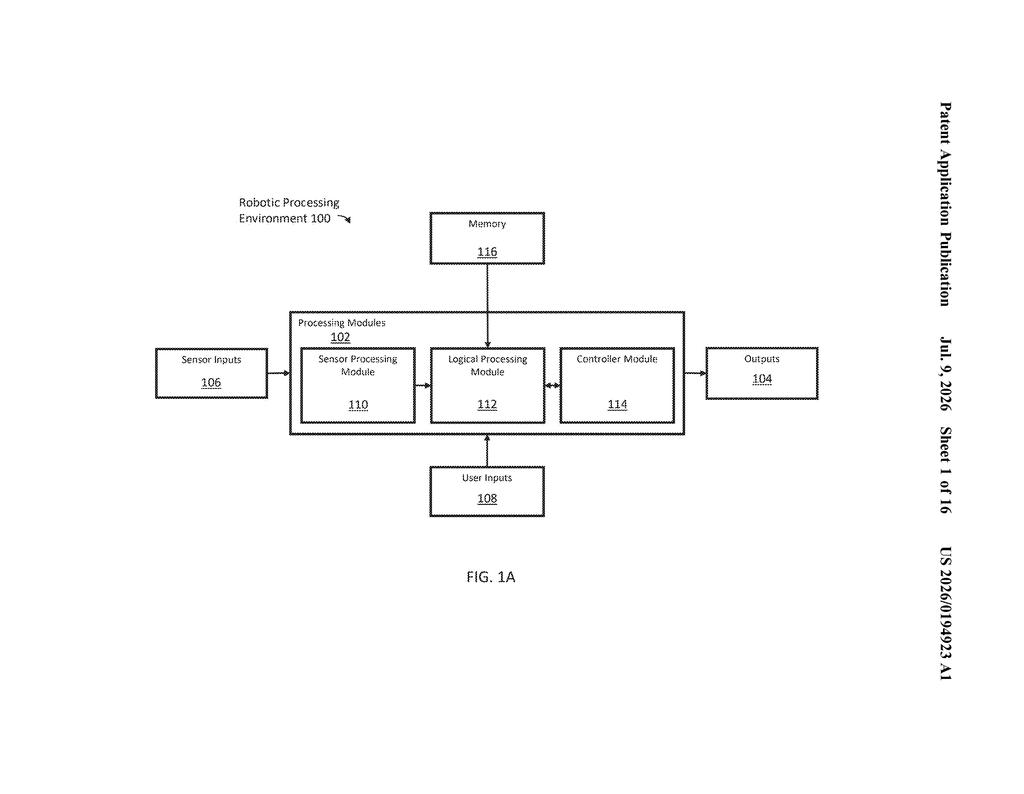
The patent describes a robot with several core components working together:
- Mechanical joints and actuators, the motors and hinges that let the robot move its limbs.
- Sensors on each actuator, measuring operating conditions like temperature and power draw in real time.
- A central processor, which generates movement commands (control signals) and simultaneously checks whether those commands are pushing any component past its safe limit.
- An intervention signal, triggered automatically when a limit is exceeded, which can either alert a human or prompt the robot to change what it's doing.
The key design choice here is that the safety check happens at the control signal level, meaning the system catches a dangerous command before it fully executes, not after something breaks. Think of it like a circuit breaker that trips before the wiring catches fire, rather than a smoke alarm that goes off after it already has.
The patent also covers monitoring both power consumption and temperature together, and notes that these safety layers can be stacked on top of other robot-control systems rather than replacing them.
What this means for robots working near people
Robots operating in human-centric environments, Amazon's phrase for warehouses, fulfillment centers, or anywhere people and machines share space, face a different safety standard than factory-floor machines behind cages. A breakdown or unexpected movement near a person is a liability problem, not just a maintenance one.
This patent is less about making robots faster or more capable and more about making them reliable enough to be trusted near people. As Amazon expands its use of humanoid and mobile robots in its logistics network, the ability to prove those machines stay within predictable operating limits becomes as important as what the robots can actually do.
This is unsexy infrastructure work, but it's the kind of thing that has to exist before Amazon can responsibly deploy robots at scale next to human workers. The thermal and power monitoring described here is the difference between a robot that's a useful tool and one that's a liability. Worth paying attention to as a signal of where Amazon's warehouse-robotics program is heading.
There are more where this came from
We read every patent application Big Tech publishes and send you the ones worth knowing. Plain English, free, every week.
Want this weekly breakdown for a company we don't cover? Patentlyze Pro →