
Samsung Patents a Storage Device That Sorts Data by App
Most storage systems treat all data the same — a random pile that everything has to dig through. Samsung's new patent wants to change that by giving each app its own dedicated lane in memory and on disk.
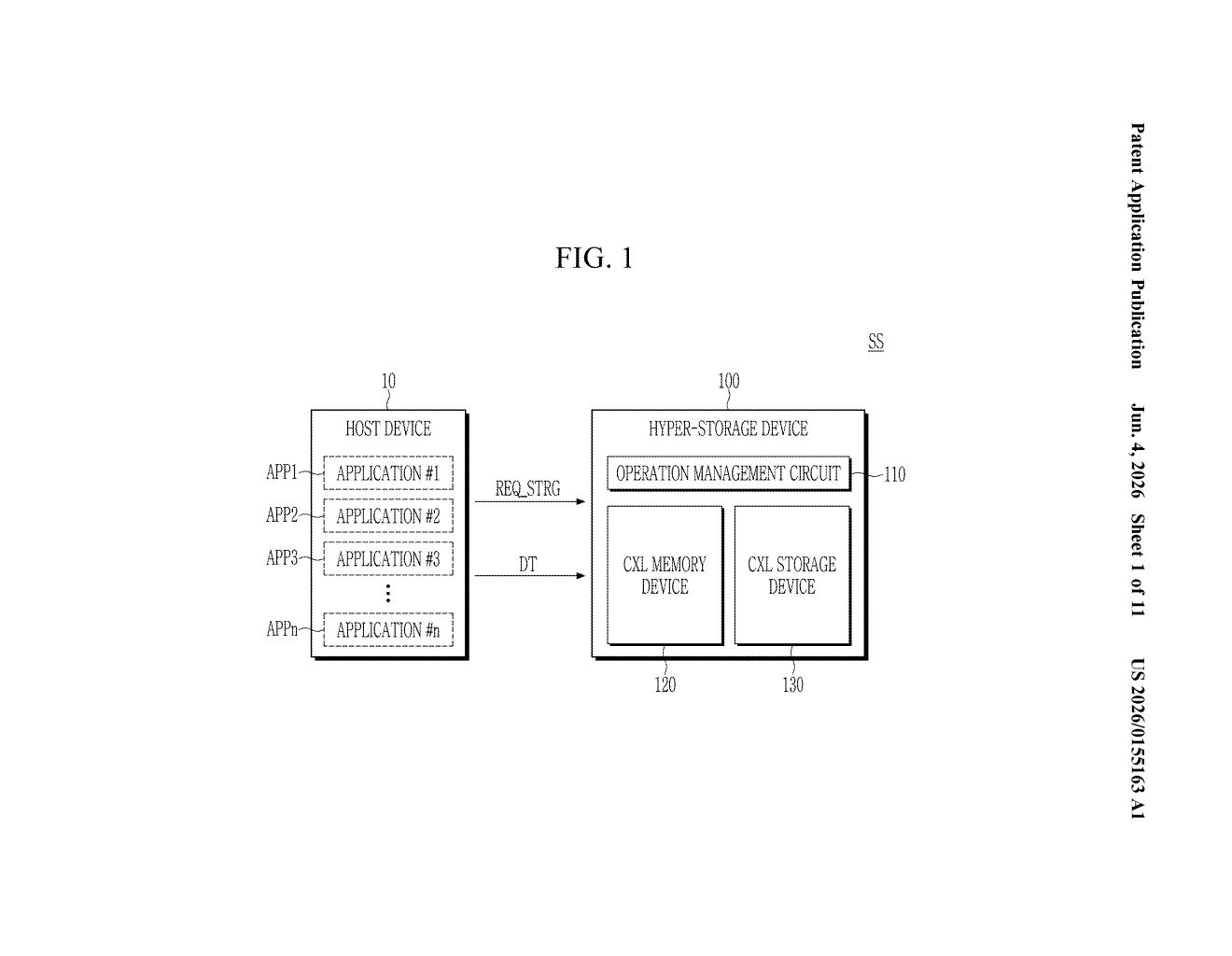
What Samsung's app-sorted storage actually does
Imagine your phone is juggling a video game, a photo editor, and a music streaming app all at once. Right now, all the data those apps write to storage gets mixed together in one big pool — and when the system needs to save that data to long-term storage, it has to sort through the chaos.
Samsung's patent describes a "hyper storage device" that tags incoming data with which app created it the moment it arrives, then routes it into that app's own reserved section of memory. When it's time to move that data to permanent storage, it flushes each app's memory section to a matching storage section — no cross-contamination, no sorting-it-out-later.
The result is a cleaner, more organized storage pipeline where each application's data lives in its own tidy lane, from the moment it's written all the way through to when it's saved on disk.
How the application classifier routes and flushes data
The patent describes a device with three main pieces working together:
- Operation management circuit: the front door that receives all incoming data from the host (a phone, PC, or server).
- Application classifying circuit: the traffic cop that reads each piece of data's "source application" tag and routes it into the correct memory area.
- Paired memory and storage areas: each application gets a dedicated zone in fast volatile memory (think RAM-like buffer) and a corresponding zone in slower permanent storage (think NAND flash).
The key mechanic is the flush operation — when a memory area fills up or needs to be cleared, it writes directly to its paired storage area. Because the memory zone and the storage zone are matched one-to-one, the flush is clean and targeted: App A's data goes to App A's storage partition, App B's to App B's, and so on.
This is sometimes called data isolation at the storage layer. Today, most storage controllers mix data from all sources and rely on higher-level software to figure out what belongs to whom. Moving that classification down into the hardware itself is what makes this architecture distinct.
What this means for storage performance on busy devices
When data from different apps gets interleaved in storage, it creates write amplification (the storage controller does extra work rewriting and reorganizing blocks) and complicates garbage collection (the process that reclaims used storage space). By keeping each app's data isolated from the start, Samsung's design could reduce that overhead and improve both write speeds and the long-term endurance of flash storage.
The "hyper storage" framing — combining memory and storage in one device — also hints at Samsung's broader push into next-generation storage architectures, where the line between RAM and flash is increasingly blurry. If this approach finds its way into enterprise SSDs or mobile storage chips, it could give Samsung a differentiation angle in markets where storage performance under mixed workloads really counts.
This is solid, unglamorous storage engineering — the kind of work that doesn't make headlines but quietly makes everything faster and longer-lasting. The concept of per-app data isolation at the hardware level is genuinely useful, especially for densely multi-tasked environments like servers or future AI-edge devices. It's worth watching as a signal of where Samsung's storage architecture is heading.
There are more where this came from
We read every patent application Big Tech publishes and send you the ones worth knowing. Plain English, free, every week.
Want this weekly breakdown for a company we don't cover? Patentlyze Pro →