
Apple Patents a Fitness Tracker That Reads Your Muscle Mass Through a Camera
Most fitness apps treat a 130-pound marathon runner and a 130-pound powerlifter as identical. Apple's latest patent filing wants to change that by feeding your actual muscle mass into the workout math.
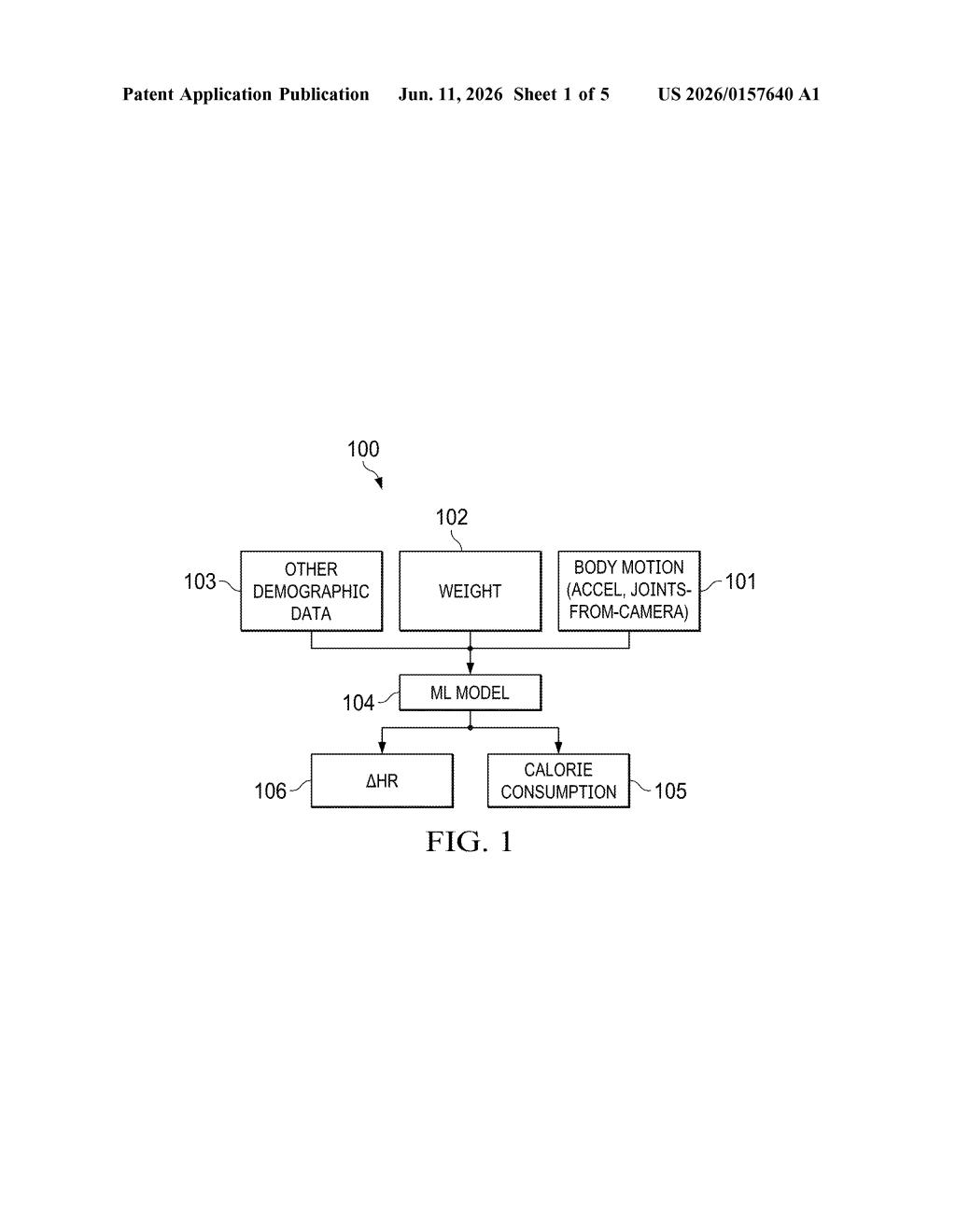
What Apple's muscle-aware fitness metric system actually does
Imagine two people both weigh the same and do the same workout — but one is mostly muscle, the other mostly fat. The calories burned, the cardiovascular effort, and the recovery time are going to be very different. Standard fitness trackers mostly ignore that distinction.
Apple's patent describes a system that uses a camera — think your iPhone or a future Apple device — to scan your body and, combined with your weight, estimate your body composition: how much of you is muscle versus fat. That muscle mass number then gets fed into a machine learning model alongside how you're actually moving during exercise.
The result is fitness metrics — things like calories burned or effort level — that are personalized to your actual physiology, not a generic formula built for an average body. The patent also mentions tracking how your heart rate changes during a workout, which could let the system gauge how hard your body is really working in real time.
How the camera, weight input, and ML model work together
The patent outlines a multi-step pipeline. First, a camera captures images of the user's body. Those images, combined with the user's inputted weight, are used to estimate body composition — the ratio of muscle, fat, bone, and other tissue. If a prior body composition reading is already stored (from, say, a previous scan or a third-party source), the system can use that instead.
From that composition estimate, the system isolates muscle mass — the key input that distinguishes this approach from generic fitness tracking, which typically relies only on age, weight, and heart rate.
That muscle mass figure is then passed into a machine learning model alongside data about the user's body motion during exercise — how fast they're moving, what kind of movement it is, the range of motion, and so on. The ML model outputs one or more exercise or fitness metrics, such as estimated calorie expenditure, cardiovascular load, or workout intensity.
The patent also notes that change in heart rate can be tracked in parallel, letting the system correlate physiological response with the biomechanical data it's already processing. Together, these inputs paint a more complete picture of what a given workout is actually doing to a specific person's body.
What this could mean for Apple Watch and iPhone fitness tracking
For everyday users, this could make wearable fitness data meaningfully more accurate. Right now, calorie estimates from smartwatches are notoriously unreliable — studies have found errors of 20–90% — partly because those models don't account for individual body composition. If Apple can embed a muscle-mass-aware model into the Apple Watch or iPhone camera workflow, workout summaries could become a lot more trustworthy.
Strategically, this fits Apple's broader push into health as a differentiator. Body composition scanning via camera is an area where software and hardware integration gives Apple a real edge — it's the kind of feature that works better the more tightly the camera, chip, and health platform are stitched together, which is exactly Apple's advantage.
This is a genuinely interesting patent because it targets a real, well-documented weakness in consumer fitness tracking: the one-size-fits-all calorie model. The muscle mass angle is not just a gimmick — muscle burns more calories at rest and responds differently to load than fat does, so baking it into the workout calculation is legitimate exercise science. Whether the camera-based body composition estimate is accurate enough to make the downstream metrics reliable is the real open question, but the direction is right.
There are more where this came from
We read every patent application Big Tech publishes and send you the ones worth knowing. Plain English, free, every week.
Want this weekly breakdown for a company we don't cover? Patentlyze Pro →