
Apple Patents a Headset That Checks Your Temperature and Breathing From the Inside
Apple is exploring ways to turn the inside of a headset into a health monitor — using thermal sensors aimed at your face to estimate not just skin temperature, but your core body temperature and how fast you're breathing.
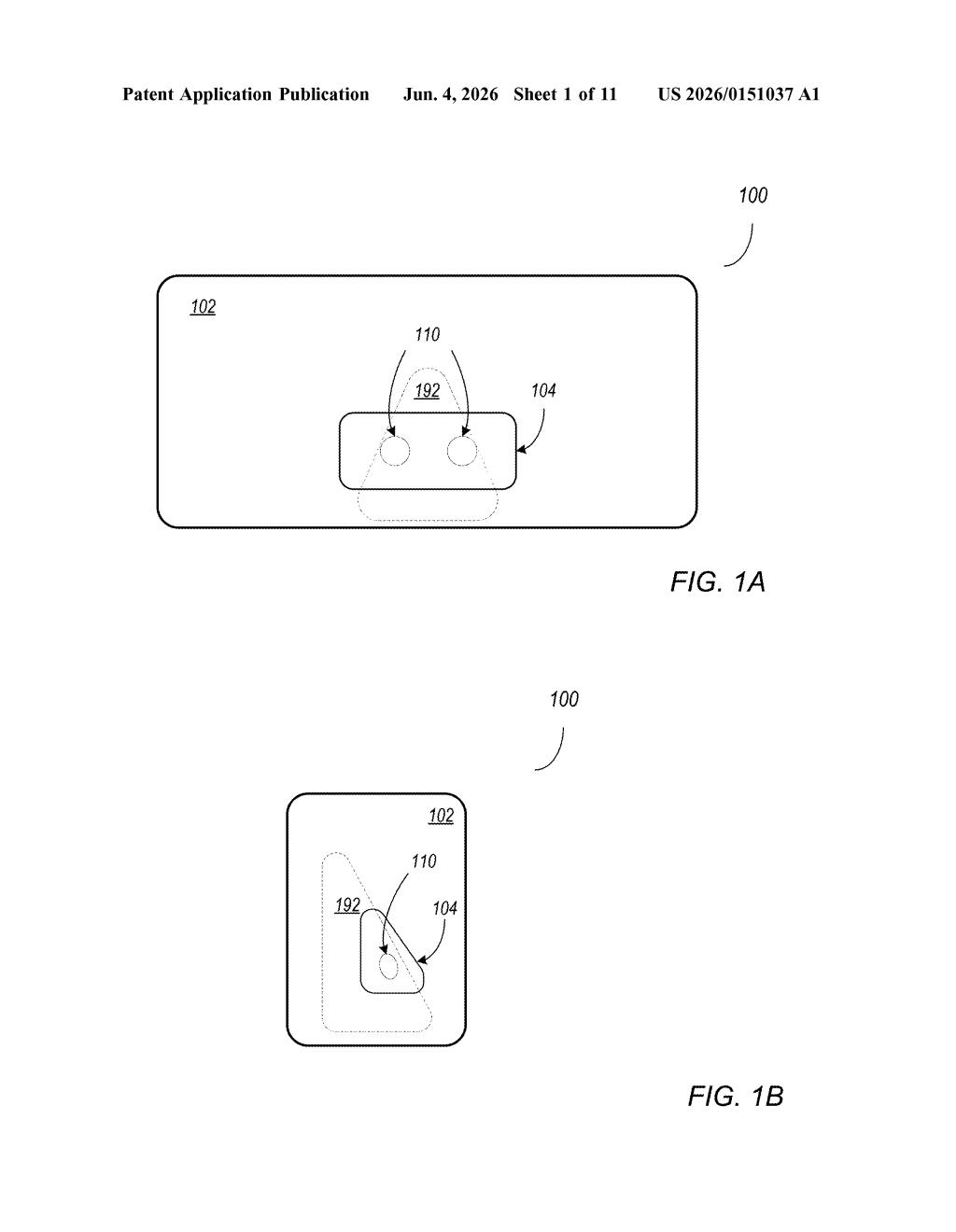
What Apple's headset thermal sensors actually track
Imagine wearing a VR or AR headset and having it quietly track whether you're running a fever or breathing faster than normal — no chest strap, no finger clip, no extra device required. That's roughly what this Apple patent describes.
The idea is to embed thermal sensors into the inside of a head-mounted device (like Apple Vision Pro) so they can read the heat coming off your face. From that raw heat data, the system can apparently estimate core body temperature — the deeper, more medically meaningful number — not just surface skin temperature, which varies a lot depending on airflow and activity.
The headset could also watch how those temperature patterns shift rhythmically to estimate your respiration rate — basically, how fast you're breathing — and flag changes over time. All of this biometric data would then be surfaced to you directly through the device.
How facial heat maps become core temp and breath rate
The patent describes integrating thermal (infrared) sensors into the interior of a head-mounted device so they point at the wearer's face while the headset is in use. Because the headset sits close to and partially seals around your face, it creates a relatively controlled measurement environment compared to an open-air wearable like a watch.
There are two main outputs the system targets:
- Core body temperature — rather than just reading the skin surface (which fluctuates), the patent describes processing the thermal data to infer the user's internal body temperature, which is a more clinically relevant signal for things like detecting illness.
- Respiration rate — breathing causes subtle, rhythmic changes in the thermal signature of the face (exhaled air is warm). The system appears to detect those patterns to estimate how often you're breathing and whether that rate is changing.
The processed biometric data — temperature readings, respiration rate, trends over time — would be presented back to the user through the headset interface. The patent covers both the sensor integration and the computational pipeline that turns raw thermal readings into meaningful health estimates.
What this means for health tracking in Apple Vision Pro
For Apple Vision Pro or any future Apple headset, this would represent a meaningful expansion of health tracking beyond what a wrist-worn device can do. The face offers thermal measurement opportunities the wrist doesn't — it's closer to major blood vessels and more thermally expressive — and a headset that already covers part of your face is a natural place to put those sensors.
From a user perspective, passive health monitoring while you work, watch content, or exercise in a headset could integrate neatly with Apple Health data. The respiration angle is especially notable — breathing rate is an early indicator of stress, illness, and sleep quality, and it's currently one of the harder biometrics to measure accurately without a dedicated sensor on the chest or airway.
This is a genuinely interesting health-tech direction for Apple — thermal sensing in headsets fills a gap that wrist wearables can't easily address, and core body temperature has been a noticeably absent metric from Apple Watch despite years of rumors. The claims being canceled (claims 1–20) in this publication likely reflects a continuation or divisional filing strategy rather than abandonment, so the underlying IP is probably still in play. Whether it ships in a near-term product is the real question.
There are more where this came from
We read every patent application Big Tech publishes and send you the ones worth knowing. Plain English, free, every week.
Want this weekly breakdown for a company we don't cover? Patentlyze Pro →