
Apple Files Patent for Letting Your Phone Report Its Location Without Giving Its Name
Your phone can tell your carrier where it is and how well the signal holds, and those reports can be traced back to you. Apple's new patent application describes ways to send them with the name removed.
What Apple's anonymous phone reports do
You're walking through a train station and your phone sends a quick report to the network: where you are and how strong the signal is. Normally that report can be traced back to your specific phone, and some of the carrier's equipment can tell who sent it.
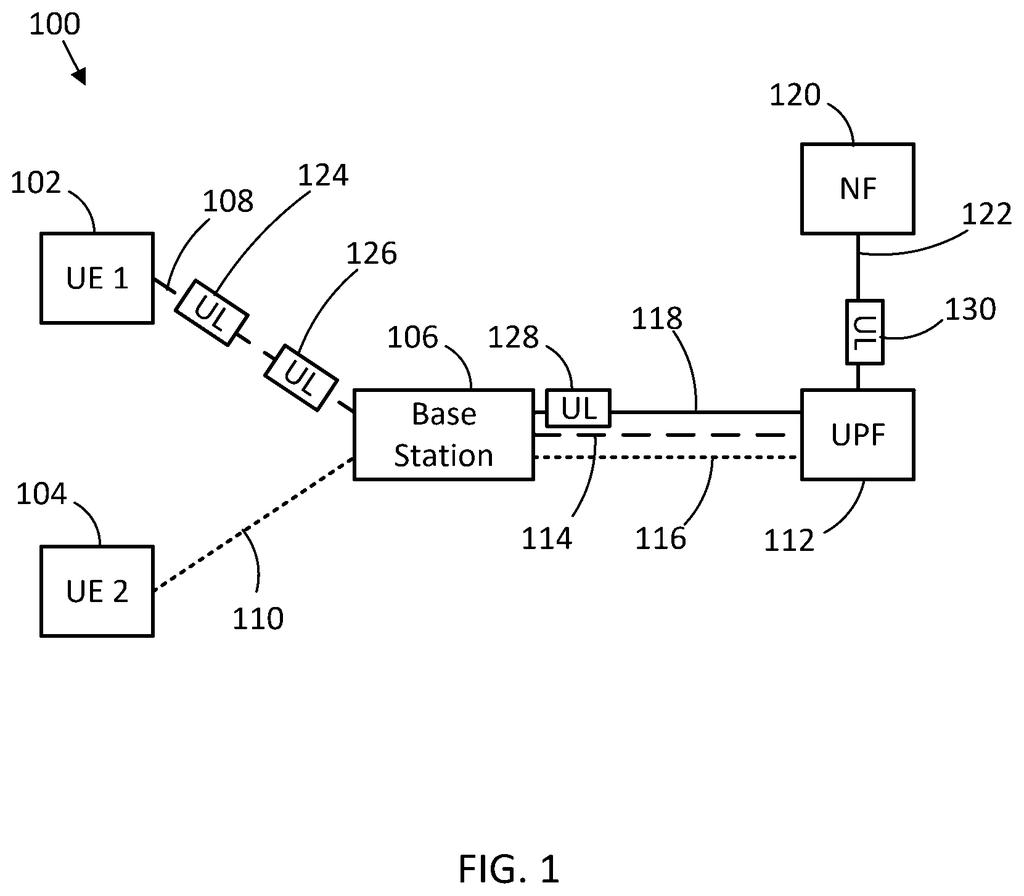
Apple's patent application describes ways to cut your name off those reports. In one version, many phones send their small updates through the same shared channel, so the network gets the information without learning which phone it came from. The tower can even swap your phone's address for its own before passing the report along.
Another version locks the report inside an encrypted connection that goes straight to the server that needs it, so the equipment in between can't read it. Either way, the network still gets the data it needs to run well.
identifying a shared channel configuration to configure a shared channel for transmission of uplink (UL) data, the shared channel to be available for two or more user equipments (UEs) …
Translation: The phone prepares to use a radio channel shared by multiple devices instead of a private line.
How shared channels hide which phone spoke
The filing covers three ways for a phone (the patent calls it a user equipment) to send small reports, such as its location or signal measurements, without its identity attached. The first two use shared pathways. The third encrypts the contents.
- Shared tunnel: The base station (the cell tower equipment your phone connects to) sets up one shared data pipe to the core network, called an N3 tunnel. Reports from many phones travel through it together. The base station can strip the sender's network address (its IP address) or swap in its own.
- Shared radio channel: Phones also share one channel and one temporary ID (a C-RNTI, the label a tower uses to tell phones apart) for sensitive data. A mask, meaning an encryption key, keeps unauthorized phones from using the channel.
- Encrypted direct line: The phone opens a TLS connection (the same lock that protects secure websites) straight to a server that collects network performance data. Equipment in between can't read the report.
The network hands the phone its settings, including the server's address, through policy messages or radio signaling. The filing assumes the receiving server is trusted and won't try to match a report to a phone's identity. The claims cover the phone side, the base station side, and the encrypted-connection version.
… anonymized user equipment information reporting in wireless communication systems.
Translation: Devices send data to cell towers without attaching any identifying information to it.
Why anonymous reporting matters for your privacy
If carriers adopted something like this, the location and signal reports your phone sends to keep service working could arrive without your identity attached. The filing treats phones broadly (phones, tablets, smartwatches and sensors all count as user equipment), so the idea could reach well beyond iPhones.
The filing says some of these reports don't need your identity for the network to work, and that is the gap this fills. It also describes a general anonymous-sending service that any application could use. Carriers and standards bodies would have to build support for it, so read it as a proposal for how future networks could behave.
Apple's 15th filing we've tracked since July in our on-device AI privacy watchlist builds on earlier ideas like tracking who views health records and locking photos before apps see them.
If this ever shipped, you would never see it. There would be no new setting and no new icon. What you would get is a smaller trail: the location and signal reports your phone sends to keep the network running would stop carrying your name.
That is a meaningful privacy gain for a routine chore. The limit is trust. In the filing's own design, the base station or the receiving server has to be trusted to behave, so your privacy still depends on the carrier following the rules.
Because it changes how phones and networks talk to each other, carriers would have to adopt it before you benefit. A patent application alone changes nothing about your phone today.
Get our take in your Top Stories
Liked this breakdown? Add Patentlyze as a preferred source on Google, and our plain-English take shows up more often in your Top Stories the next time Apple patent news breaks.
There are more where this came from
We read every patent application Big Tech publishes and send you the ones worth knowing. Plain English, free, every week.
The drawings
10 drawing sheets from US 2026/0313367 A1 · click any drawing to enlarge


Show the other 2 sheets


Want this weekly breakdown for a company we don't cover? Patentlyze Pro →
Be the first to weigh in