
Apple Files Patent for a System That Manages AI Models Across Devices
Apple has filed a patent covering the machinery behind managing AI models and their training data across devices, a foundational piece of infrastructure as the company pushes more AI processing onto iPhones, Macs, and servers.
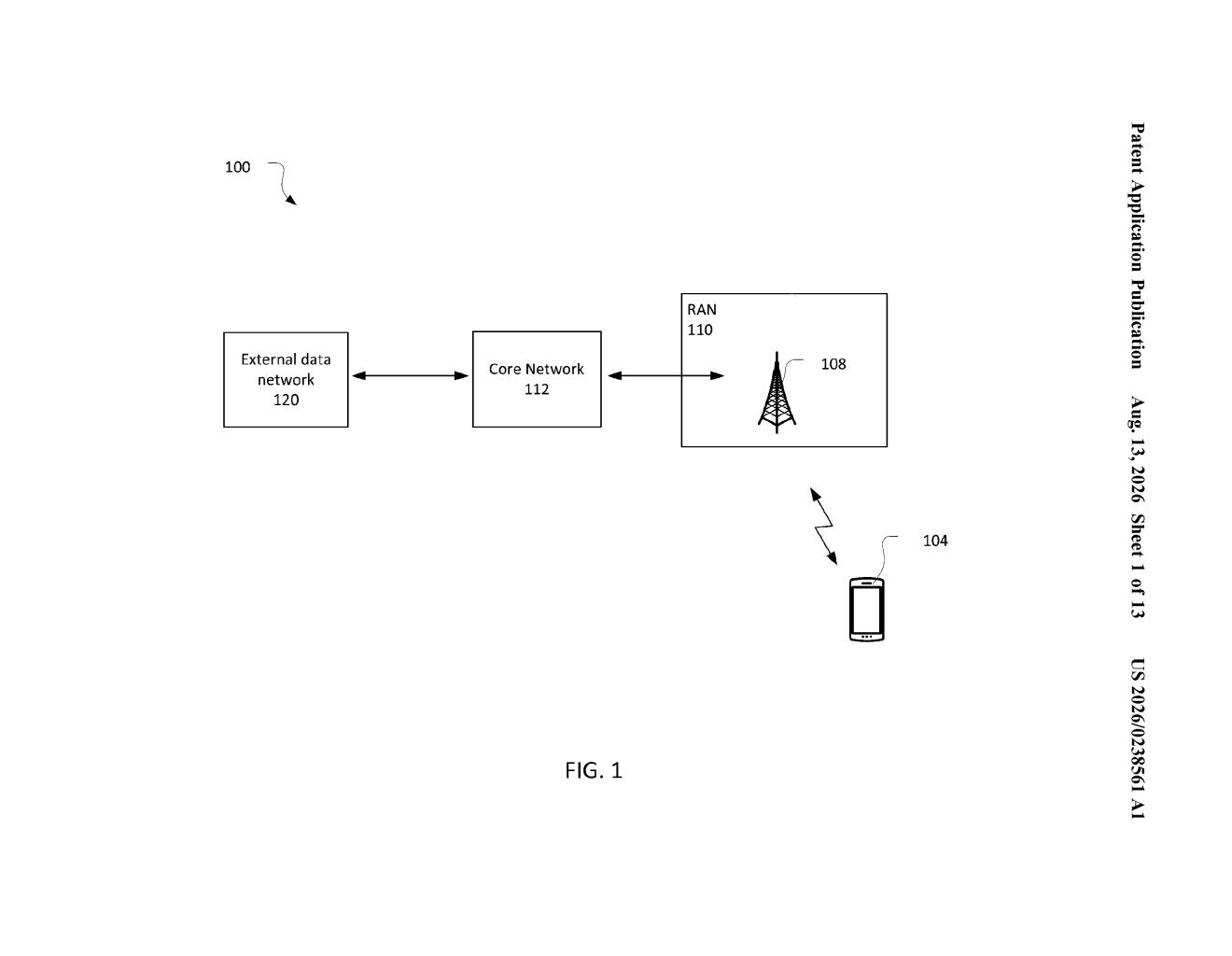
What Apple's AI model management system actually does
Every time your iPhone uses an AI feature, whether it's cleaning up a photo or predicting your next word, it's pulling from a trained model stored somewhere on or near your device. Managing those models, keeping them updated, organized, and matched to the right data, is more complicated than it sounds, especially as Apple deploys more of them.
This patent covers the systems and methods Apple is building to handle that coordination. Think of it as a filing system and traffic controller for AI models: tracking what model lives where, what data it was trained on, and how to keep everything in sync.
The honest caveat here is that the patent's published claims were all canceled before the application went public, which means the specific technical details Apple ultimately wants to protect are still being negotiated with the patent office. What we know is the general territory Apple is staking out.
The present application relates to devices and components including apparatus, systems, and methods for managing artificial intelligence models and datasets.
Translation: Apple is patenting a system to coordinate artificial intelligence models and data across different devices.
How Apple coordinates AI models and their datasets
This patent application, filed under Apple's name in late 2025, sits in the networking and distributed systems space (USPC class 709/223, which covers distributed data processing). The core subject is apparatus, systems, and methods for managing AI models and datasets, meaning the software and hardware infrastructure that keeps AI models organized, accessible, and properly paired with the data they depend on.
In practical terms, this kind of system would handle questions like: which version of a model is running on a given device, where the corresponding training dataset lives, and how updates get pushed out when a model is retrained or replaced. These are genuinely hard coordination problems when you're operating at Apple's scale, across hundreds of millions of devices.
One important caveat: claims 1 through 25 were canceled before publication. In patent law, the claims are the part that defines what protection is actually sought. Without them, the public record tells us the general area Apple is working in but not the specific invention Apple is trying to protect. The full claim set may re-emerge in a continuation application.
The inventor list spans AI research, signal processing, and systems engineering backgrounds, which suggests the filing touches on both the model-management logistics and the underlying AI infrastructure.
What this means for AI running on Apple hardware
As Apple expands on-device AI across its product line, the invisible plumbing that keeps models current and correctly matched to data becomes a real engineering bottleneck. A poorly managed model pipeline could mean a feature that silently degrades over time, or one that runs on stale data without the user ever knowing. A well-built management system is what prevents that kind of quiet failure.
For now, the canceled claims make it difficult to draw firm lines around what Apple actually invented here versus what it simply described. Apple's AI infrastructure filings are part of a broader wave of new Big Tech patents covering the behind-the-scenes coordination layer that makes on-device AI reliable at scale.
The canceled claims are the real story here. A patent application that reaches publication with all its claims wiped out is essentially a placeholder: it tells you what technology space a company is working in, but not what specific invention they walked away with. For readers tracking Apple's AI strategy, this filing confirms that Apple is investing in AI model management infrastructure, but it offers almost no detail about what makes Apple's approach distinctive. The concrete payoff for users, faster updates, more accurate AI features, fewer silent failures, depends entirely on what Apple rebuilds in a continuation filing.
There are more where this came from
We read every patent application Big Tech publishes and send you the ones worth knowing. Plain English, free, every week.
The drawings
13 drawing sheets from US 2026/0238561 A1 · click any drawing to enlarge


Want this weekly breakdown for a company we don't cover? Patentlyze Pro →
Be the first to weigh in