
Apple Patents a System That Locks Your Digital Avatar Behind Login
Before your animated face shows up in a call, Apple wants to make sure it's actually you asking. A newly published patent ties digital avatar use to device authentication, so your Memoji can't be activated by whoever picks up your unlocked phone.
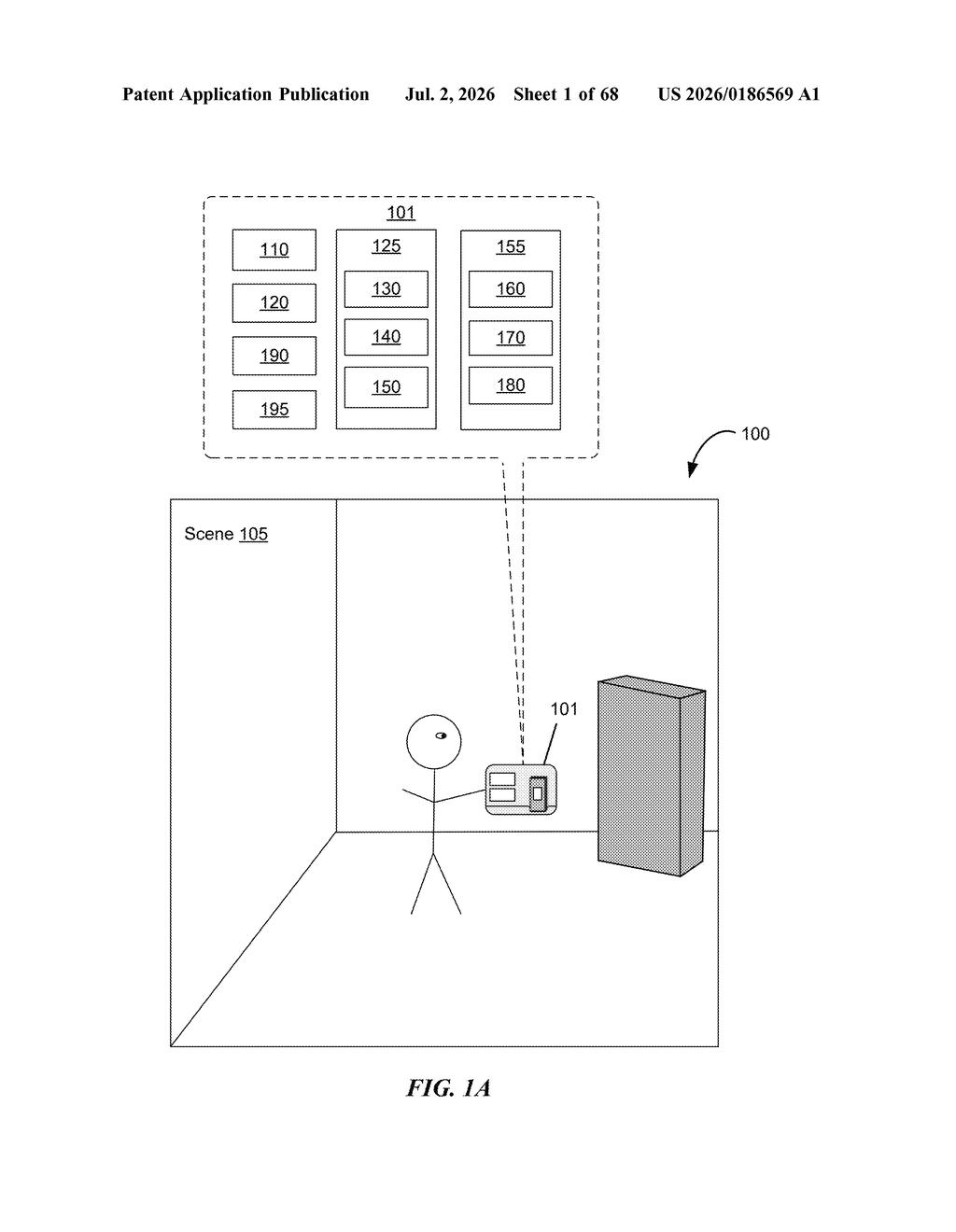
What Apple's avatar authentication patent actually does
Imagine you leave your phone on a desk and a coworker opens FaceTime. Without this system, your Memoji or other digital avatar could pop up in a call representing you, even though you're not the one in control. Apple's patent is designed to close that gap.
The idea is straightforward: whenever your device receives a request to use your virtual representation (think Memoji, an animated avatar, or a similar digital stand-in) in a conversation with other people, the system first checks whether you are authenticated. That typically means Face ID, Touch ID, or a passcode has confirmed your identity.
If you're verified, the avatar appears as expected. If you're not, the system simply skips it. Your digital likeness stays private until you prove it's really you.
How the system checks identity before showing your avatar
The patent describes a computer system that intercepts any request to deploy a user's virtual representation in a communication context, then routes that request through an authentication check before proceeding.
The core logic is a conditional branch:
- If the system determines the user is authenticated, it proceeds with showing the avatar to other participants.
- If the user is not authenticated, it withholds the avatar entirely.
The claim is written broadly enough to cover any virtual representation, not just animated avatars. That could include any graphical stand-in used to represent you to people you're communicating with. The system communicates with display generation components (the screen) and input devices (camera, microphone, touch input) to manage this flow.
The patent also references transitioning a device between states, which hints at scenarios like waking a device from sleep or switching between users, where the authentication state might be unclear and the system needs to decide whether your avatar is safe to show.
What this means for Memoji and FaceTime privacy
For everyday users, this is a privacy guardrail for a scenario that's become common: shared devices, borrowed phones, or a phone grabbed while still unlocked. If your digital avatar carries personal meaning or is linked to your identity in a persistent way, having it gated behind authentication is a reasonable expectation.
Apple's Memoji system is the obvious application here. As FaceTime and other Apple communication tools rely more heavily on avatar-based interactions, especially in contexts like Vision Pro spatial calls, the question of who authorized that representation becomes more than academic. This patent suggests Apple is thinking carefully about identity integrity as avatars become a more serious stand-in for your face.
This is a narrow but sensible privacy patent. It's not tackling a dramatic new capability, it's closing an authentication gap that becomes more meaningful as Apple pushes avatar-based communication harder across FaceTime and Vision Pro. Worth a footnote in any conversation about digital identity on Apple platforms.
Get our take in your Top Stories
Liked this breakdown? Add Patentlyze as a preferred source on Google, and our plain-English take shows up more often in your Top Stories the next time Apple patent news breaks.
There are more where this came from
We read every patent application Big Tech publishes and send you the ones worth knowing. Plain English, free, every week.
Want this weekly breakdown for a company we don't cover? Patentlyze Pro →