
Samsung Patent Enables Separate Storage Tracking Across Multiple User Accounts
Running two copies of the same app on one phone is already possible on Samsung devices, but keeping track of which copy is eating your storage has always been a mess. This patent tries to fix that.
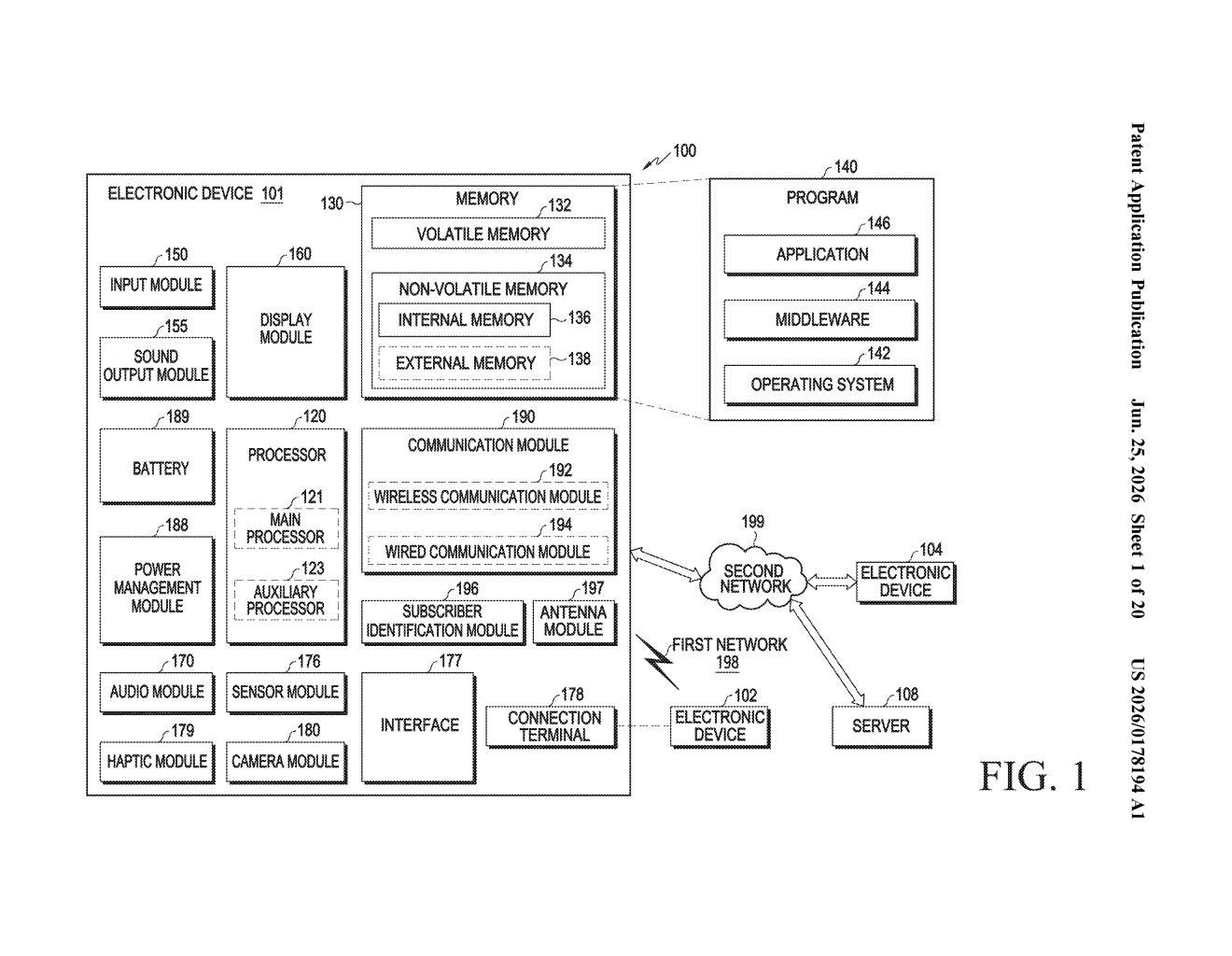
How Samsung's dual-app cloning storage actually works
Imagine you use Instagram for personal posts and a second Instagram for your small business. On most phones today, running two copies of the same app feels held together with tape: it works, but you have no clear picture of which copy is using how much storage.
Samsung's patent describes a cleaner system. When you duplicate an app, the phone creates two completely separate copies, each tied to a different profile (say, your personal account and your work account). Each copy saves its own files in its own dedicated section of your phone's storage.
The interesting part is a unified storage screen that shows you both accounts at once. From a single place, you can see that your personal Instagram clone has saved 2 GB of photos and your work clone has saved 800 MB, without having to dig through separate settings menus. It's the kind of housekeeping feature that sounds small until the moment your phone says it's full.
How the two app instances split and track their files
The patent describes an electronic device (almost certainly a smartphone) that can run two independent instances of the same app, each associated with a different user profile. When you trigger the duplication, the phone displays two separate icons on the home screen, one for each instance, and the two run completely independently of each other.
Critically, each instance writes its files to a dedicated partition of internal storage: the first profile's files go into one cordoned-off area, and the second profile's files go into another. The two areas do not share data.
A second application (think of it as a storage manager or settings panel) can then read both areas and display a unified dashboard showing memory usage for both accounts simultaneously. The claim specifies that this cross-account view is accessible while logged in under just the first account, meaning you don't have to switch profiles to see the full picture.
- Duplicate any supported app into two independent instances
- Each instance tied to a distinct user profile
- Files from each instance stored in separate memory areas
- Single screen shows combined storage usage across both accounts
What this means for people juggling work and personal accounts
Samsung already ships a feature called Dual Messenger on Galaxy phones, which lets users run two copies of messaging apps like WhatsApp or Telegram under different phone numbers. That feature works, but the storage management side of it is rough: the phone's built-in storage analyzer doesn't always separate the two cleanly, making it hard to know which account to trim when space runs low.
This patent suggests Samsung is thinking about making dual-instance apps a first-class citizen in the storage system, not just a clever hack. For anyone who uses a single device for both work and personal accounts, a clear, account-by-account storage breakdown could save real time and prevent the frustrating experience of running out of space without knowing where it went.
This is a focused, practical improvement to an existing Samsung feature rather than something new from scratch. Dual Messenger users will recognize the problem immediately, which is exactly the right signal that a fix is worth building. It's not a flashy patent, but it's the kind of fit-and-finish work that actually makes people like their phones more.
There are more where this came from
We read every patent application Big Tech publishes and send you the ones worth knowing. Plain English, free, every week.
Want this weekly breakdown for a company we don't cover? Patentlyze Pro →