
Apple's New Patent Stops Vision Pro from Asking You to Prove Who You Are Twice
You scan your face to unlock something, then thirty seconds later the app asks you to do it again. Apple's new patent is trying to fix exactly that — by watching whether you ever stopped being you.
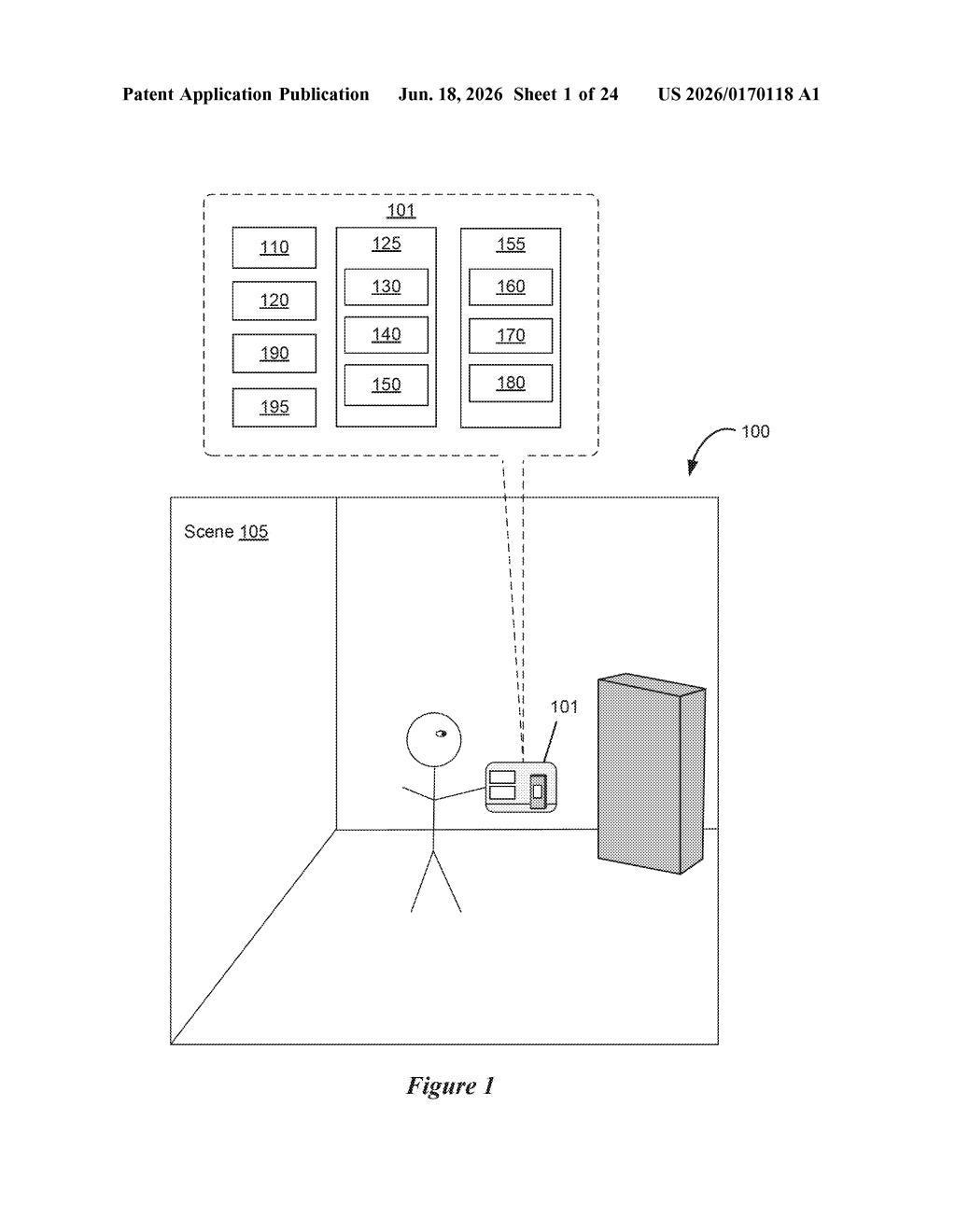
How Apple wants to cut out repeat ID checks in AR
Imagine you're wearing Apple's Vision Pro headset and you verify your identity with a face scan to approve a payment. A few seconds later, the app asks you to confirm again. That's annoying — and Apple apparently thinks so too.
This patent describes a system that watches you continuously between authentication checks. If sensors confirm that the same person has been using the device the whole time — no one walked away, no one else picked it up — the device can approve the next secure action without making you scan again.
The twist is that it also works in 3D environments. The system tracks your viewpoint as you move around a virtual space and only shows you a secure payment button when enough of it is actually visible from where your eyes are. If you turn away, the secure option disappears until you're looking at it properly again.
How the system confirms the same user stayed active
The patent covers two related ideas that work together for secure actions inside a three-dimensional environment (think an AR or VR interface).
The first idea is continuous-presence authentication. The device authenticates you fully at time one — using Face ID or another biometric. Then, instead of asking again every time you want to do something sensitive, it takes ongoing sensor readings at multiple points in between. If those readings consistently show the same user is present, the device treats your earlier authentication as still valid and completes the action without a second scan. If the chain of presence breaks — sensors suggest someone else might be holding the device — the request is simply denied.
The second idea is viewpoint-gated authorization. In a 3D space, a secure button or interface element is only made interactive when a threshold amount of it is actually within your line of sight. As your head moves, the system tracks your viewpoint in real time:
- If enough of the object is visible, authorization is enabled
- If you look away below that threshold, the option is disabled
- This prevents accidental or spoofed approvals from odd viewing angles
Together, the two mechanisms try to make secure actions feel instant for a confirmed user while staying strict when something looks off.
What this means for payments and security in Apple Vision Pro
For Apple Vision Pro — and any future AR headset Apple ships — payment and authentication flows are a real design challenge. Asking someone to hold up a finger or stare at a sensor every sixty seconds in the middle of a spatial computing experience breaks the whole point of the medium. This patent suggests Apple is working on a system where identity is a continuous background check rather than a repeated gate you walk through.
For you as a user, the practical upshot is fewer interruptions. For Apple, it's also a security story: the system isn't just being lazy about re-authentication — it's actively monitoring to make sure the same person is still there. If your headset leaves your face, the permission resets.
This is genuinely interesting work, not routine filing. Apple is trying to solve a real UX problem that every AR payment system will eventually face: biometric re-prompts are annoying and break immersion, but skipping them entirely is a security hole. The continuous-presence approach is a reasonable middle path, and tying it specifically to viewpoint tracking in 3D space shows the team is thinking about spatial computing specifically, not just porting phone-era auth to a headset.
There are more where this came from
We read every patent application Big Tech publishes and send you the ones worth knowing. Plain English, free, every week.
Want this weekly breakdown for a company we don't cover? Patentlyze Pro →