
Apple Patents a To-Do List That Surfaces the Right Tasks Based on Where You Are
Your to-do list is useless if it shows you 'buy cat food' while you're stuck in a meeting. Apple's new patent describes a system that analyzes your tasks and only surfaces the ones that make sense for right now.
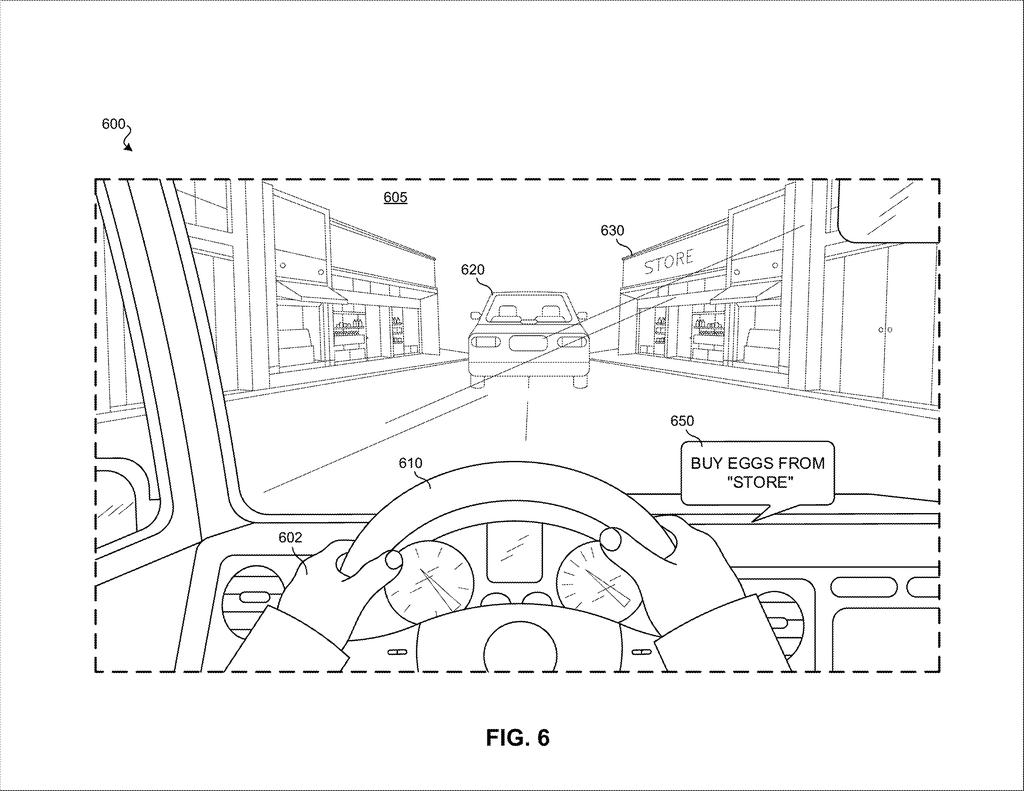
What Apple's context-aware task list actually does
Imagine you have a long list of errands: pick up dry cleaning, call your dentist, grab coffee filters, review that contract. Most apps just dump all of that on you at once. Apple's patent describes a different approach: the device reads through your task list on its own, figures out the conditions under which each task makes sense, then waits until those conditions are actually met before nudging you.
So if you've written 'grab coffee filters,' the system can infer you need to be near a grocery store for that one. If you've written 'call dentist,' a quiet moment during the day might be the right trigger. You don't have to manually tag anything or set up a location reminder yourself.
The key idea is that the system does the interpretation work for you, reading your own words and deciding what each task requires. It then matches that against where you are, what time it is, and what else is going on around you before deciding whether to show you a notification.
How the system reads your tasks and matches them to context
The patent describes a method running on a device (almost certainly an iPhone, Apple Watch, or similar) that takes a plain to-do list written in natural language and automatically extracts what conditions would need to be true for each task to be actionable.
The core process has four steps:
- The device obtains a task list containing user-written items in everyday language.
- It runs an automated analysis of those items to identify conditions tied to each one (a location, a time window, a social situation, etc.).
- It continuously monitors context: the user's physical environment, time of day, and other situational signals during a given period.
- When the context matches one or more conditions from the list, it surfaces a notification for just those relevant tasks, not the whole list.
The patent doesn't spell out exactly what 'automated analysis' means mechanically, but the phrasing strongly implies on-device natural language processing (the device parsing your own words to understand intent) rather than manual tagging by the user.
Crucially, the user doesn't configure any of this. They just write tasks the way they normally would, and the system handles the inference.
What this means for Apple's Reminders and AI push
For Apple, this fits neatly into the company's ongoing push to make Apple Intelligence feel genuinely useful in daily life rather than just a headline feature. A smarter Reminders app that actually knows when to bother you would be a concrete, everyday win that doesn't require users to learn anything new.
For you as a user, the practical payoff is less noise. Right now, reminder apps either interrupt you constantly or get ignored because the timing is always slightly off. A system that holds a task back until the moment it's actually relevant would make the whole app feel less like a nag and more like a useful assistant. Whether Apple ships this in a future iOS Reminders update or folds it into a broader AI assistant layer remains to be seen.
This is a genuinely useful idea dressed up in dry patent language. The core concept, letting the device read your task list and decide when each item is relevant instead of making you configure everything manually, solves a real, everyday frustration. It's not flashy, but it's the kind of small friction-reduction that actually changes how people use their phones.
There are more where this came from
We read every patent application Big Tech publishes and send you the ones worth knowing. Plain English, free, every week.
The drawings
11 drawing sheets from US 2026/0219728 A1 · click any drawing to enlarge


Want this weekly breakdown for a company we don't cover? Patentlyze Pro →
Be the first to weigh in