
Apple Patent Reveals Siri Detecting When Users Are Actually Addressing It
What if your phone could tell the difference between you talking to it and you talking to someone nearby? Apple is working on exactly that, using your camera to check whether you're actually looking at the device before Siri acts on anything you say.
How Apple's eye-contact check filters your voice commands
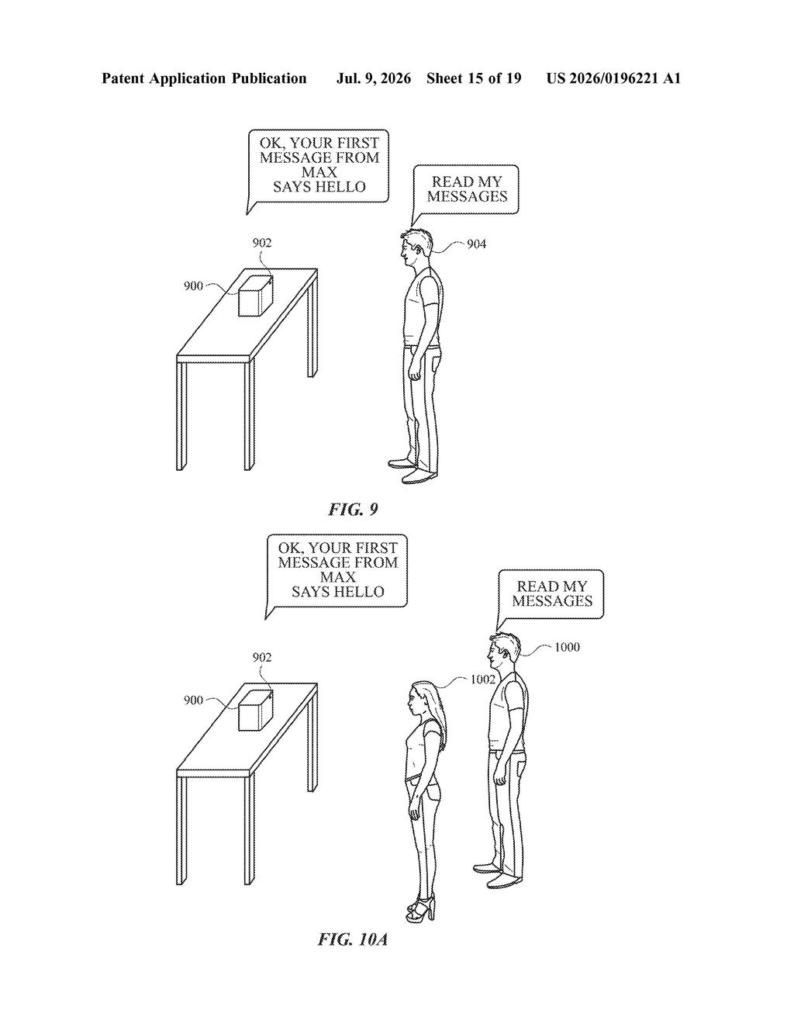
Picture this: you're sitting at a table with a friend, and both of you are chatting. Your iPhone is nearby. Right now, if either of you says something that sounds like a Siri request, Siri might jump in uninvited. Apple's newly filed patent is designed to fix that.
The idea is straightforward: your device watches your face through its front camera and listens through its microphone at the same time. If you're looking at the device while you're speaking, it treats your words as a command meant for it. If you're looking away, talking to your friend or just thinking out loud, Siri stays quiet.
What makes this more interesting is that the patent specifically describes handling multiple people in the same room. The device can track two different users, decide which one is looking at it and speaking to it, and respond to each one's commands separately. It's the same problem every shared smart speaker faces, and Apple's proposed fix leans on the camera rather than just voice recognition.
How the device matches your gaze and voice in real time
The system runs two streams simultaneously: audio from the microphone and video from the front-facing camera. It looks back at a short window of recent footage and sound to decide, at any given moment, whether the person speaking is directing their gaze at the device.
The core logic is essentially: gaze pointing at screen plus mouth moving equals intentional command. Only then does the digital assistant parse the speech and act on it. If the gaze condition isn't met, the audio is ignored as unintentional.
The independent claim in the patent goes a step further with a multi-user scenario:
- The device identifies separate video regions, one per person in the frame.
- It independently evaluates whether each person's gaze is directed at the device while they speak.
- It routes each person's speech to a separate output, acting on each command individually.
This means two people could theoretically issue back-to-back commands to the same device and each get their own tailored response, without their conversations bleeding into each other. The system doesn't require a wake word under this model; looking at the device is the trigger.
What this means for Siri in shared or noisy spaces
The "accidental assistant activation" problem is one of the most annoying things about voice assistants today. Every smart speaker in a shared home has misfired at least once. Apple's approach is notable because it uses hardware already present on every iPhone and iPad (a front camera) rather than requiring new microphone arrays or dedicated sensors.
For shared devices, like a tablet on a kitchen counter or a Mac in a home office, this could make voice commands feel dramatically less accident-prone. It also has implications for Apple Vision Pro and other devices where gaze tracking is already a primary input method. If Apple builds this into future versions of Siri, it could meaningfully change how natural and reliable voice interaction feels in everyday settings.
This is a genuinely practical patent, not a futuristic concept. The gaze-plus-speech filter addresses a real and recurring complaint about voice assistants, and Apple already has the camera hardware to implement it. The multi-user angle is the more ambitious piece, and it's worth watching whether that actually makes it into a product or gets shelved.
Get our take in your Top Stories
Liked this breakdown? Add Patentlyze as a preferred source on Google, and our plain-English take shows up more often in your Top Stories the next time Apple patent news breaks.
There are more where this came from
We read every patent application Big Tech publishes and send you the ones worth knowing. Plain English, free, every week.
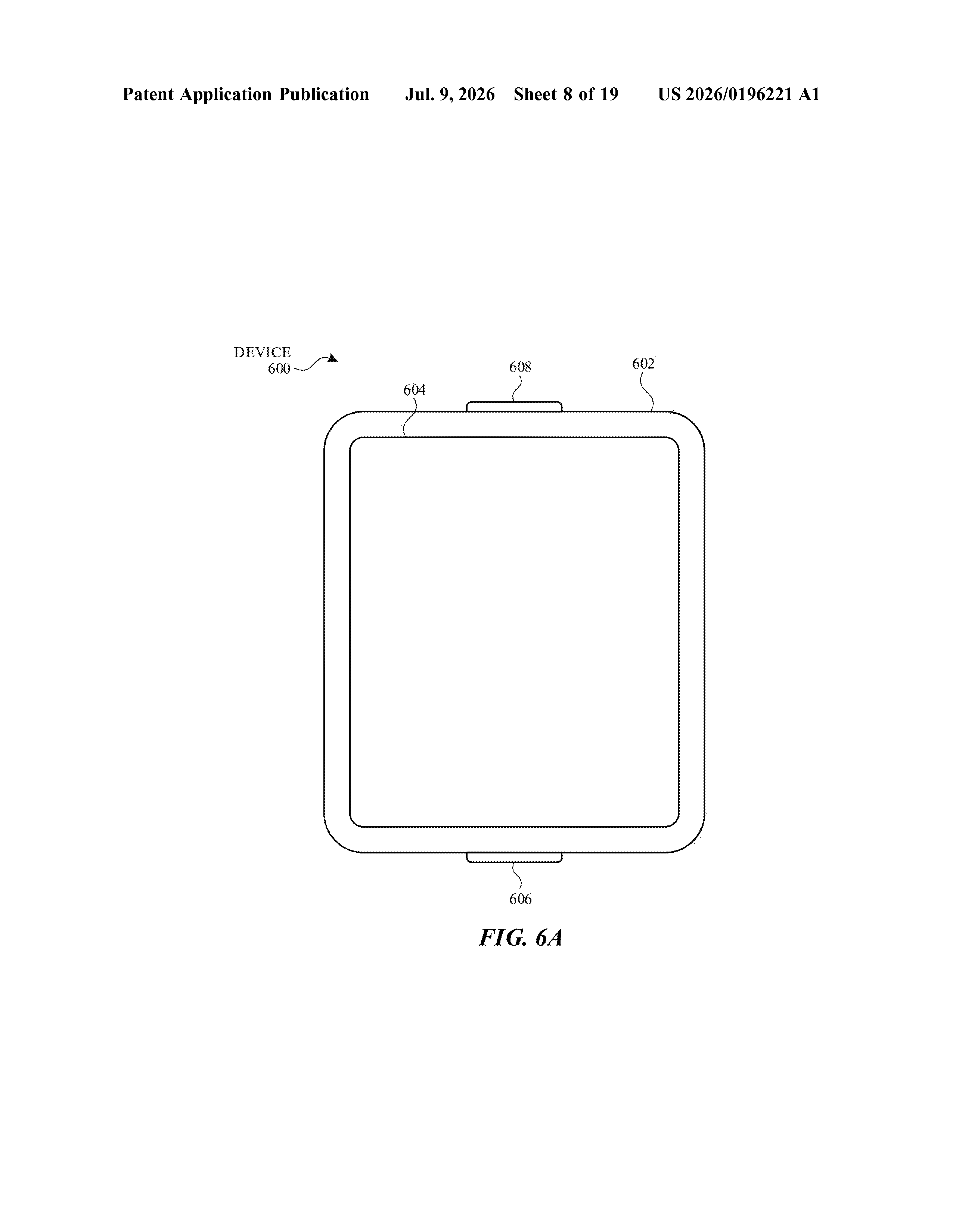
The drawings
19 drawing sheets from US 2026/0196221 A1 · click any drawing to enlarge
Want this weekly breakdown for a company we don't cover? Patentlyze Pro →