
Apple Patent: iPhone Charging That Adjusts Based on How You're Using Your Phone
Apple is working on a wireless battery pack that doesn't just dump power into your iPhone at full speed all the time. Instead, it watches what you're doing and adjusts accordingly, whether the phone is stuffed in your pocket, sitting on a desk, or actively in your hand.
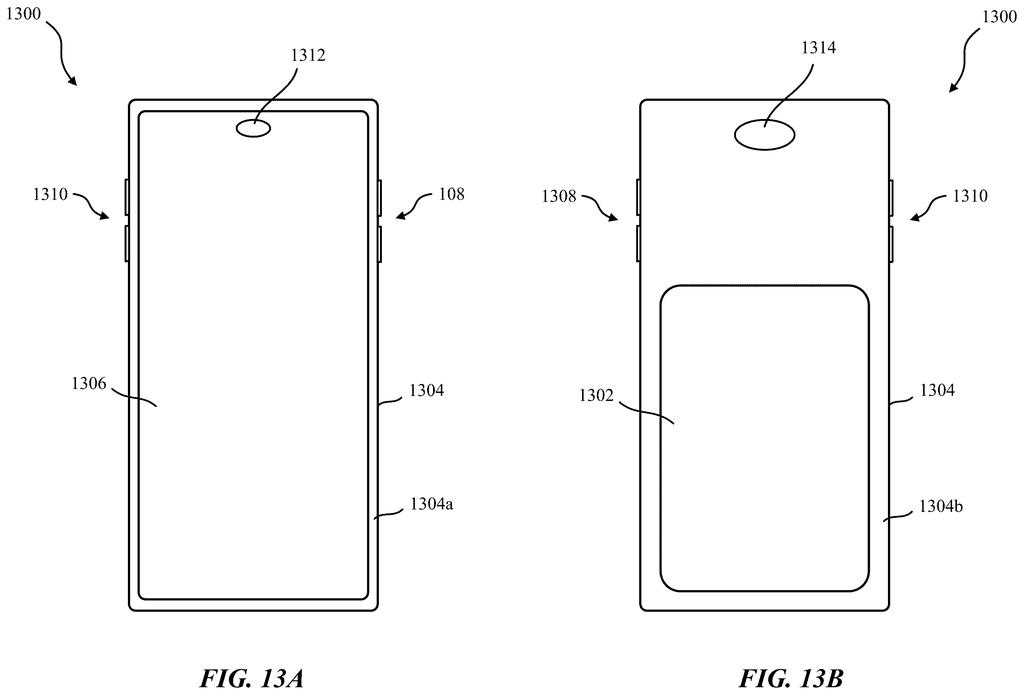
What Apple's context-aware wireless charging actually does
Imagine clipping a battery pack onto your iPhone and then forgetting it's there while the phone sits in your pocket. Right now, most battery packs charge at whatever rate they're designed for, regardless of whether the phone is hot, cold, being used, or asleep.
Apple's patent describes a system where your iPhone decides how fast to accept a charge based on its current situation. If the phone is tucked in a warm pocket, it slows the charging down. If it's on a desk doing nothing, it charges more aggressively. If you're actively using it, the system finds a middle ground that won't make the device uncomfortably hot.
The iPhone figures this out by combining two pieces of information: what state it's in (in a pocket, idle, actively being used) and how warm it already is. Those two factors together tell the charging system how much power to request from the battery pack at any given moment.
… controlling, by mobile electronic device, a wireless charging of a battery of the mobile electronic device by the wireless battery pack based at least in part on the state and the at least one other characteristic of the mobile electronic device.
Translation: Your iPhone manages how fast the external battery charges it depending on your current situation.
How the iPhone reads its own state to control charging rate
The patent describes a control loop that lives on the mobile device itself, not in the battery pack. When a wireless battery pack is attached, the iPhone continuously monitors two things: its current "state" and its temperature.
The four recognized states are:
- In-pocket: phone is inside clothing, likely against the body
- Out-of-pocket and idle: phone is sitting face-up on a surface, screen off
- Out-of-pocket, idle, and low battery: same as above but critically low on charge
- Out-of-pocket and in active use: screen on, user interacting with it
The iPhone uses that state plus its temperature readings to tell the battery pack how to behave. The two main control levers are the duty cycle (how often the pack sends a burst of wireless power, expressed as a percentage of on-time versus off-time) and the output rate (the overall speed at which energy flows). Slowing either one reduces heat generated during charging.
The in-pocket state is particularly important because the phone is pressed against skin, so waste heat has nowhere to go. The system can throttle charging aggressively there while letting it run faster when the phone is out in the open air and the battery is critically low.
The state of the mobile electronic device may include, for example, an in-pocket state, an out-of-pocket and idle state, an out-of-pocket and idle with a low charge level state, and an out-of-pocket and in use state.
Translation: The phone recognizes whether it is sitting idle, being actively used, or tucked away inside your pocket.
What this means for battery packs and iPhone heat management
Battery heat is one of the main things that degrades lithium-ion cells over time, and it also makes phones uncomfortable to hold. A system that backs off charging when a phone is already warm and trapped against your body could meaningfully extend both the lifespan of the battery and the comfort of the device during long days with a battery pack attached.
This also points toward a more capable Apple-branded wireless battery pack than anything currently on the market. The control logic described requires tight communication between the pack and the iPhone's own sensors and software, which is exactly the kind of deep integration Apple builds into its own accessories. If this ships, third-party battery packs probably won't get access to the same level of control.
This is genuinely practical engineering. Battery packs that mindlessly push power into a hot phone sitting in a jeans pocket are a real problem, and the solution Apple describes, letting the phone itself manage the rate, is the right architectural choice. It's not flashy, but it's the kind of background work that makes products feel more considered.
There are more where this came from
We read every patent application Big Tech publishes and send you the ones worth knowing. Plain English, free, every week.
The drawings
17 drawing sheets from US 2026/0229928 A1 · click any drawing to enlarge


Want this weekly breakdown for a company we don't cover? Patentlyze Pro →
Be the first to weigh in