
Apple Files Patent for Paying for Parking Reservations Through Your Car's Screen
Apple wants your car's dashboard screen to be a checkout counter. A newly published patent describes a system where you tap your car's infotainment display to reserve and pay for a parking spot, with your iPhone doing the secure transaction work in the background.
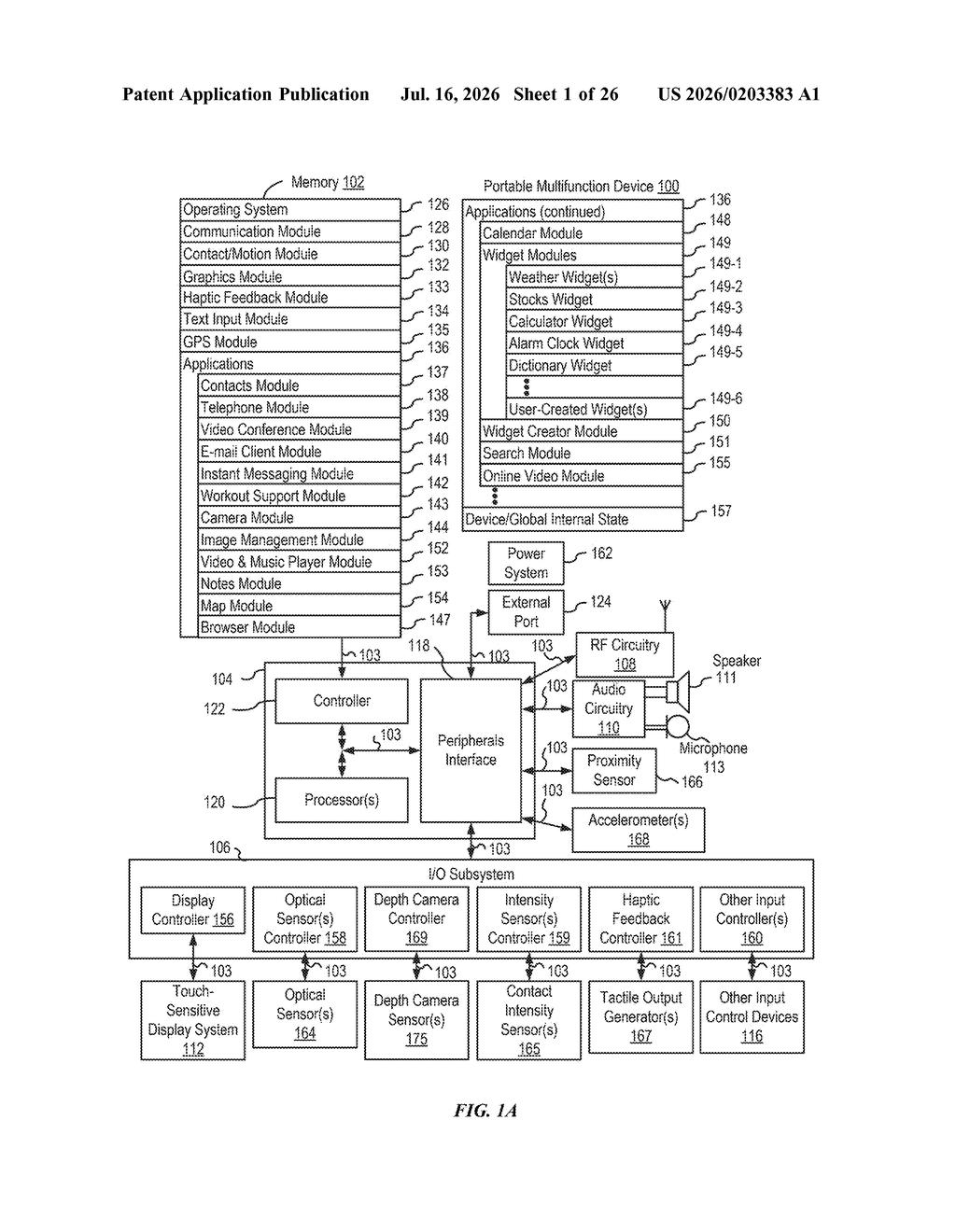
How Apple's parking payment handoff would work
Picture this: you're circling a parking garage and a spot reservation option pops up on your car's built-in screen. You tap it. Behind the scenes, your iPhone picks up that tap, runs a secure payment, and confirms the reservation, all without you ever picking up your phone.
That's the idea in Apple's newly published patent. The car's screen (what Apple calls an "automotive head unit") acts as the front door for the interaction, but your iPhone is the one that actually holds your payment credentials and completes the transfer. It's a similar split you already see with Apple Pay at a store terminal, except the terminal is now your dashboard.
The patent focuses specifically on parking spot reservations, which is a narrow use case, but the underlying plumbing (letting a car screen trigger secure financial operations on a connected iPhone) could apply more broadly to any in-car purchase.
How the car screen talks to the iPhone to move money
The patent describes a two-device handoff: the car's infotainment system (called an "automotive head unit" in the filing) captures your input, such as tapping a "Reserve Parking" button, and sends that request to a connected iPhone. The iPhone then uses a dedicated app to execute what the patent calls a "transfer operation," which in this context means paying for or reserving a parking spot.
The key architectural detail is that the car screen never handles the sensitive part. It just captures intent and forwards it. The iPhone, which stores your payment credentials securely (think Face ID-backed Apple Pay), does the actual transaction. This mirrors how tap-to-pay terminals work at a coffee shop: the terminal reads your card, but your bank handles the money.
The claim is specifically built around an app on the computer system (the iPhone) that was already configured to handle parking reservation transfers. So Apple seems to be imagining a future where a Parking app on your iPhone can be triggered remotely by your car, rather than requiring you to unlock your phone and tap through it manually.
Notable details from the claim:
- The iPhone and the car head unit communicate back and forth
- The head unit has physical or on-screen input components
- The iPhone initiates the transaction process in response to the car's signal
What this means for CarPlay and in-car payments
For everyday drivers, the appeal is obvious: keeping your eyes off your phone while handling a practical, time-sensitive task like snagging a parking spot. If this kind of system were built into CarPlay, it would let Apple extend its payments ecosystem into a corner of the car experience that currently requires fumbling with a phone or a separate parking app on the dashboard.
The broader strategic angle is that Apple is staking out territory in in-car commerce. Car makers and payment networks have been circling this space for years. A system where the iPhone acts as the secure wallet behind whatever screen is in front of you (a car display, a kiosk, a hotel TV) is a natural extension of Apple Pay's existing model, and this patent plants a flag specifically in the automotive context.
This is a narrow but telling patent. Parking reservations are a small use case, but the real claim Apple is making here is architectural: the iPhone should be the secure payment brain behind whatever screen you happen to be looking at in a car. That's a meaningful stake in in-car commerce, and it fits neatly with where CarPlay has been heading for years.
There are more where this came from
We read every patent application Big Tech publishes and send you the ones worth knowing. Plain English, free, every week.
Want this weekly breakdown for a company we don't cover? Patentlyze Pro →
Be the first to weigh in