
Apple Files Patent for New Ways to Build and Control On-Screen Interfaces
Apple has filed a patent around modifying and interacting with user interfaces, but this one comes with an unusual wrinkle: the main claims were canceled before publication, leaving very little to go on.
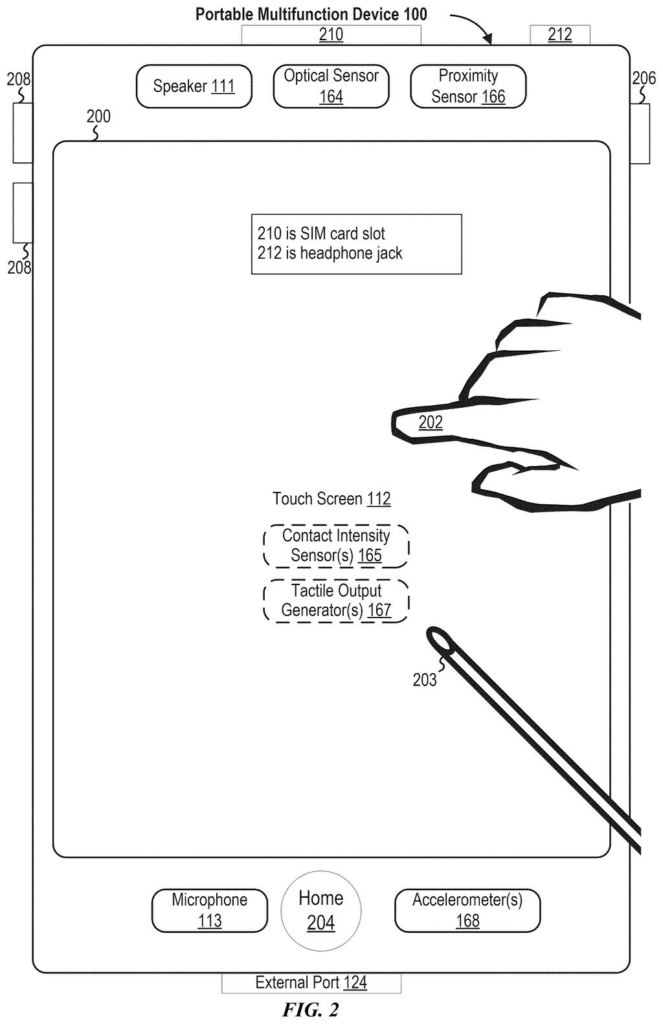
What Apple's interface-modification patent actually covers
Ever tapped a button on your phone and thought, "why doesn't this just work the way I expect?" That frustration is exactly the kind of problem UI patents typically try to address. Apple filed this one in January 2026, and it covers systems for displaying, changing, and interacting with on-screen interfaces.
Here's the catch: the actual substance of the filing is nearly impossible to assess. The abstract is a single vague sentence, and the first seven claims (the parts of a patent that define what the company actually owns) were all canceled before this document was published. What remains is a title and a filing date.
That doesn't mean nothing happened here. Patents sometimes go through significant revision during the review process, and canceled claims can be refiled or folded into related applications. But for now, there's no concrete feature to describe or explain.
The present disclosure generally relates to providing, modifying, and/or interacting with user interfaces.
Translation: Apple wants to patent new ways for users to see and change on-screen menus.
How Apple's UI system provides and modifies displays
On paper, this patent covers "providing, modifying, and/or interacting with user interfaces", a phrase so broad it could describe almost any screen-based product Apple makes.
The first independent claim (claim 1 through 7) was canceled, which is the patent equivalent of pulling the main event from a fight card. Claims are the numbered statements that define the legal boundaries of what a patent covers. Without them, a filing has no enforceable scope.
The USPC classification 715/762 places this in the "window or viewpoint control" category of human-computer interaction, hinting that the original claims may have addressed how UI elements are displayed, resized, or repositioned on screen.
- No surviving independent claims to analyze
- Abstract contains only a generic one-sentence description
- Three named inventors suggest real engineering work did occur
- Filed January 2026, published September 2026 after claim cancellation
What this means for how you use Apple devices
For most readers, this particular filing doesn't change anything about how Apple devices work today. Claims get canceled during patent prosecution for many reasons: the examiner may have found prior art, or Apple may have voluntarily narrowed the application to pursue a different angle elsewhere. Neither outcome is unusual.
If the underlying technology is real, it will likely resurface in a continuation filing with more specific claims. The three inventors attached to this application suggest that actual engineering work preceded the filing, so there may be more to this story down the road. For now, though, there's nothing concrete to connect to a real product or feature.
Apple's 488th filing in our Apple coverage since May continues a run of thinness-focused camera work, following applications on prism-tilting zoom and slimmer eye tracking.
A patent with zero approved claims gives up the one thing patents exist to provide: the legal right to stop others from copying the idea. Apple paid lawyers, paid inventors, and paid time to describe how screens can be shown, changed, and touched, and the patent office declined every single request for protection. That trade produced a document and nothing else.
The cost here is concrete and the return is absent. Whatever Apple was trying to lock down remains free for anyone to use, which means the investment served no defensive or commercial purpose.
If Apple's team returns with a narrower version the patent office accepts, those specific boundaries will finally reveal what the company actually cared about protecting. Until then, this filing reads as a bill paid for a service never delivered.
There are more where this came from
We read every patent application Big Tech publishes and send you the ones worth knowing. Plain English, free, every week.
The drawings
104 drawing sheets from US 2026/0288080 A1 · click any drawing to enlarge


Want this weekly breakdown for a company we don't cover? Patentlyze Pro →
Be the first to weigh in