
Samsung Patents a Camera That Reads Motion Before You Tap the Shutter
Most cameras react to motion blur after the fact — Samsung's new patent wants to detect motion in the viewfinder and dial in the right settings before you ever press the shutter button.
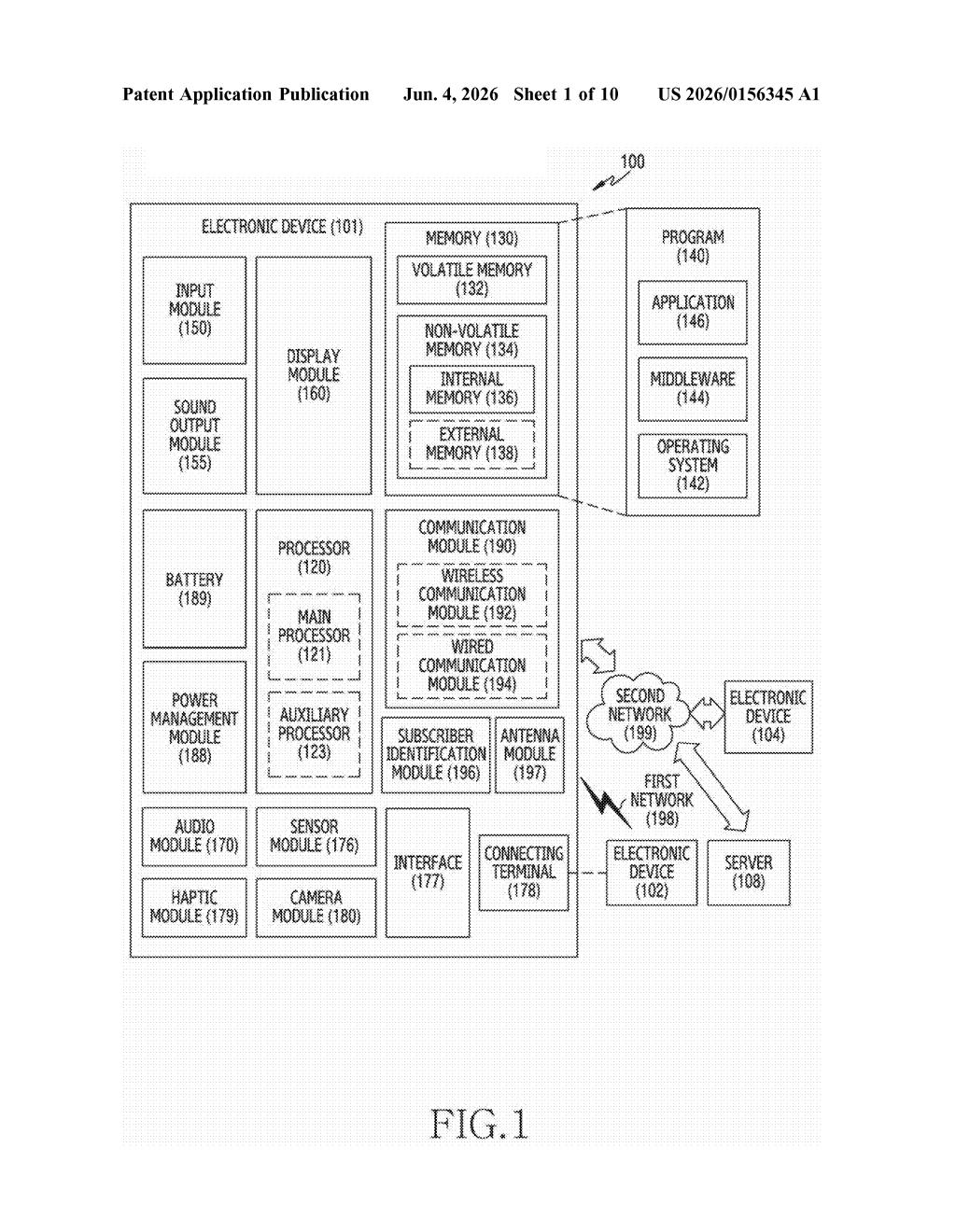
What Samsung's motion-aware camera system actually does
Imagine you're trying to photograph your kid sprinting across a soccer field. Your phone's camera doesn't realize there's fast motion until after it captures a blurry mess. Samsung's patent describes a system that watches the live preview — the image you see on screen before you shoot — and figures out what's moving and how fast.
Based on that motion analysis, the camera automatically adjusts settings like shutter speed or frame timing before you tap the button. So when you do tap, the phone is already configured for the scene in front of you, not the one from half a second ago.
It works for two types of motion: the phone itself moving (think panning or a shaky hand) and objects moving within the frame. Either way, the goal is the same — fewer blurry shots without you needing to touch any manual settings.
How the device tracks movement and sets capture parameters
The patent describes an electronic device — almost certainly a smartphone — that continuously analyzes the preview image being shown on the display before a photo is taken.
Two motion sources are tracked:
- Movement of the device itself (e.g., camera shake, panning)
- Movement of objects within the frame (e.g., a person walking, a car passing)
From this analysis, the system derives movement information — essentially a characterization of the type, speed, or direction of motion present in the scene. When the user triggers a capture (taps the shutter), the device uses that movement information to configure at least one image capture parameter (likely shutter speed, ISO, exposure time, or burst mode settings) on the fly.
The key insight is timing: the adjustment happens between the user's input and the actual image acquisition, so the camera is responding to real-time motion data rather than relying on fixed presets or post-capture correction. The patent covers this as a unified system claim across camera hardware, display, processor, and memory.
What this means for Samsung's Galaxy camera experience
For everyday photography, this is the kind of invisible improvement that makes a real difference. Action shots, kids, pets, street photography — anything with unpredictable motion — are exactly where smartphone cameras still frustrate people. Auto-mode often locks settings too early, and manual controls are a barrier for most users. A system that continuously reads the scene and pre-configures the shot closes that gap.
For Samsung, this fits squarely into the ongoing Galaxy S camera arms race. Every flagship generation brings new computational photography features, and motion handling is one of the last areas where dedicated cameras still have a meaningful edge. A patent like this signals Samsung is working on that gap at the capture pipeline level, not just in post-processing.
This is a practical, user-facing improvement rather than a speculative moonshot — real people lose real photos to motion blur every day. The patent is fairly broad and doesn't reveal the specific algorithm used to classify motion, which means the interesting engineering is still under wraps. Worth watching for implementation in a future Galaxy S or Galaxy AI camera feature.
There are more where this came from
We read every patent application Big Tech publishes and send you the ones worth knowing. Plain English, free, every week.
Want this weekly breakdown for a company we don't cover? Patentlyze Pro →