
Samsung Patents an Image Sensor That Tunes Its Light-Blocking Layers Per Color
Light bouncing around inside a camera sensor before it hits the right spot is one of the main reasons photos look washed out or lose color accuracy. Samsung's new patent tackles that problem by giving each color filter its own custom-tuned antireflective coating.
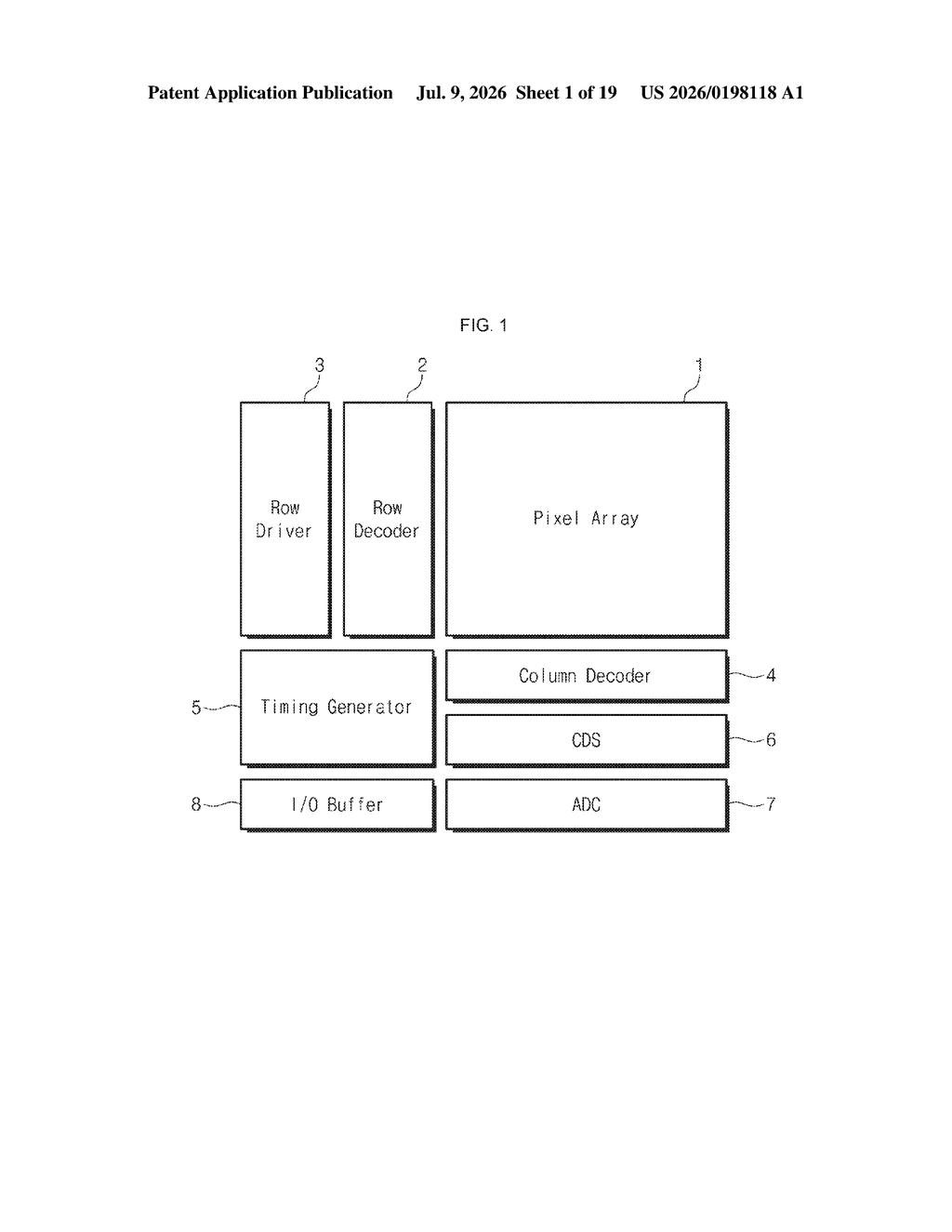
What Samsung's per-color antireflective layer actually does
Imagine trying to read colored text through a foggy window. Even if the colors are vivid on the page, reflections off the glass can muddy everything. Inside a camera sensor, something similar happens: light reflects off the silicon layer beneath the color filters before it's captured, reducing clarity and color accuracy.
Samsung's patent describes an image sensor where the antireflective coating, the layer that soaks up unwanted reflections, is not the same thickness everywhere. Under some color filters it's thinner, under others it's thicker and built from two distinct chemical sub-layers. The idea is that different colors of light reflect differently, so a one-size-fits-all coating leaves some colors worse off.
By tuning the coating thickness to match each filter, Samsung aims to cut stray reflections more precisely across the whole color spectrum, which in theory means cleaner, truer colors in your photos.
How the two sub-layers differ under each color filter
The patent covers an image sensor built on a silicon substrate with color filters on its back surface. Between the silicon and the filters sits an antireflective layer, a thin chemical coating designed to reduce reflections that would otherwise degrade the captured image.
The key detail is that this layer is not uniform. Under a first color filter, the antireflective layer is thinner and consists of a single material: a second sub-antireflective layer made of a metal oxide doped with an impurity (think of it as a slightly modified version of the base material). Under a second color filter, the layer is thicker and built from two stacked sub-layers:
- A first sub-antireflective layer of pure metal oxide (the unmodified base material)
- The same second sub-antireflective layer (the doped version) on top of that
This two-layer stack under certain filters gives Samsung a way to tune the optical properties, specifically how much light at each wavelength gets absorbed versus reflected, without redesigning the entire sensor. The impurity in the second sub-layer changes how that material interacts with light, giving engineers an extra variable to dial in per-color performance.
What this means for Samsung camera sensors going forward
Camera sensors are already extraordinarily thin and complex, and squeezing more color accuracy out of them without redesigning the pixel architecture is genuinely hard. A variable-thickness antireflective coating that adapts to each color filter is a credible engineering approach to that problem, and it's the kind of low-level manufacturing detail that separates flagship camera sensors from mid-range ones.
For consumers, the downstream effect would show up as better color accuracy and reduced color fringing in photos, particularly in high-contrast scenes where stray reflections cause the most damage. Samsung supplies image sensors not just for its own Galaxy phones but for a wide range of third-party devices, so any improvement at this level could ripple across a lot of products.
This is a focused, narrow patent covering a specific manufacturing structure rather than a broad conceptual claim, which actually makes it more interesting as a signal: Samsung is investing in per-color optical tuning at the sub-layer level, and that kind of detail-oriented work is exactly what high-end sensor design looks like. It won't make headlines on its own, but it's the sort of incremental precision that compounds into real image quality gains over time.
Get our take in your Top Stories
Liked this breakdown? Add Patentlyze as a preferred source on Google, and our plain-English take shows up more often in your Top Stories the next time Samsung patent news breaks.
There are more where this came from
We read every patent application Big Tech publishes and send you the ones worth knowing. Plain English, free, every week.
Want this weekly breakdown for a company we don't cover? Patentlyze Pro →