
Samsung Patents a TV That Rewrites Its Own Specs Sheet for Older Devices
Every time you plug a device into a TV, the two hold a tiny negotiation about what the screen can do. Samsung's new patent is about making sure that conversation goes smoothly even when one side is speaking an older language.
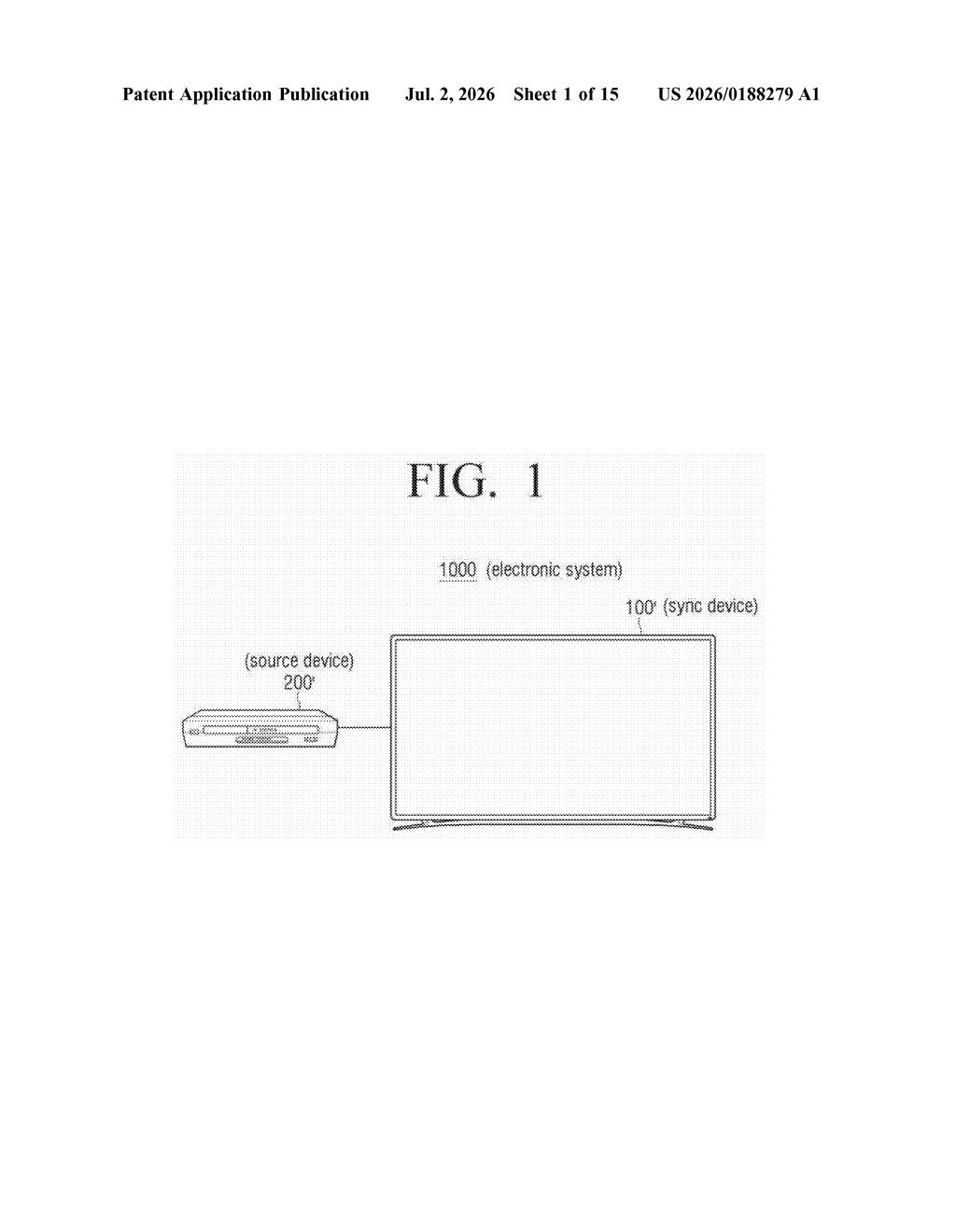
What Samsung's display handshake conversion actually does
Imagine plugging a slightly older Blu-ray player or laptop into a brand-new Samsung TV. The TV might support the latest HDMI 2.1 standard with all its bells and whistles, but the older device only speaks HDMI 1.4. Normally, this mismatch can cause confusion: the TV hands over a spec sheet the source device can't fully read, and picture or audio problems can follow.
Samsung's patent describes a TV that detects which version of the connection standard your source device supports, then automatically rewrites its own spec sheet into a format that device understands. It then sends a signal to the source device essentially saying "hey, come read my info again," triggering a fresh handshake using the translated data.
The result is that your older device gets a spec sheet it can actually parse, reducing the chance of compatibility headaches. You don't have to dig through menus or buy a new adapter; the TV just handles it.
How the EDID conversion and hot-plug signal trick works
When a display and a source device (say, a TV and a streaming stick) first connect over HDMI, the display presents a document called EDID (Extended Display Identification Data), which lists everything the screen supports: resolutions, refresh rates, color depths, audio formats. The source device reads this and decides what signal to send.
The problem arises when a newer TV's EDID is formatted according to a newer transmission standard version (such as HDMI 2.1) but the connected device only supports an older version (such as HDMI 1.4 or 2.0). The source device may misread or ignore parts of the newer EDID, leading to degraded output or a failed connection.
Samsung's patent describes a processor that:
- Detects which version of the connection standard the source device supports
- Converts the TV's stored EDID (written in the newer format) into an equivalent EDID written in the older format
- Toggles the Hot Plug Detect (HPD) signal (an electrical pin on the HDMI connector) to tell the source device to re-read the display's information
The HPD toggle is the key mechanism. It mimics the act of physically unplugging and replugging the cable, which forces the source device to fetch the freshly translated EDID. All of this happens automatically, without user intervention.
What this means for TV compatibility with older gear
HDMI compatibility issues are a persistent annoyance for anyone with a mix of old and new gear. A 4K TV connected to a five-year-old laptop or a legacy gaming console can produce unexpected picture problems that most people can't diagnose, let alone fix. A TV that handles the translation internally removes one of the most common friction points in home AV setups.
For Samsung, this is also a competitive angle as HDMI 2.1 adoption widens while a huge installed base of HDMI 2.0 and earlier source devices remains in living rooms worldwide. A TV that gracefully degrades its own spec sheet for older connected devices looks better in a crowded market where "just works" is an underrated selling point.
This is unglamorous but genuinely useful engineering. HDMI compatibility silently ruins a lot of otherwise good home theater setups, and automatic EDID translation is the kind of fix that earns customer loyalty without ever showing up in a marketing slide. Whether Samsung ships this as a real feature or it stays in patent limbo, the problem it solves is real.
Get our take in your Top Stories
Liked this breakdown? Add Patentlyze as a preferred source on Google, and our plain-English take shows up more often in your Top Stories the next time Samsung patent news breaks.
There are more where this came from
We read every patent application Big Tech publishes and send you the ones worth knowing. Plain English, free, every week.
Want this weekly breakdown for a company we don't cover? Patentlyze Pro →