
Samsung Patents a Physics-Based Widget Flip for Foldable Phone Cover Screens
Samsung is patenting a way to flip through widgets on a foldable phone's small outer screen that feels closer to turning physical pages than tapping arrows. The trick is that the phone does the math on how fast and far you swiped before deciding how many pages to turn.
What Samsung's cover-screen widget flipping actually does
Imagine your foldable phone is sitting folded on a desk. The small screen on the outside shows a weather widget. You want to swipe over to your calendar widget, but instead of tapping a tiny arrow or swiping one page at a time, you flick your finger across the screen the way you'd flip pages in a book.
Samsung's patent describes a system that watches three things when you swipe: how far your finger traveled, how fast it was moving when you lifted it, and how wide the current widget is. From those three numbers, the phone decides how many widget pages to turn in one go, then animates through each one in sequence until it lands on the right page.
The result is supposed to feel natural rather than mechanical. A slow, short drag nudges you one page forward. A fast flick across the screen could jump you several widgets ahead. The cover screen on a foldable is tiny, so this kind of physics-aware navigation could make scrolling through many widgets much less fiddly.
How swipe speed and distance decide which widget page lands
The patent centers on the small cover display found on folding phones like Samsung's Galaxy Z Flip series. That outer screen is narrow, and fitting multiple widget pages on it means users need a way to navigate between them without a lot of screen real estate to work with.
The core mechanism calculates a page-turning number, meaning how many widget pages to advance, using three inputs:
- Moving distance of the finger from start to release point
- Moving velocity (how fast the finger was traveling at the moment it lifted)
- Widget length in one direction at the moment of release
Once those numbers are combined into a final count, the phone sequentially animates through each page in order. So if the system decides you want to jump three pages, it visually turns through pages one, two, and three in quick succession rather than cutting directly to the target. This preserves a sense of physical position in a list of widgets.
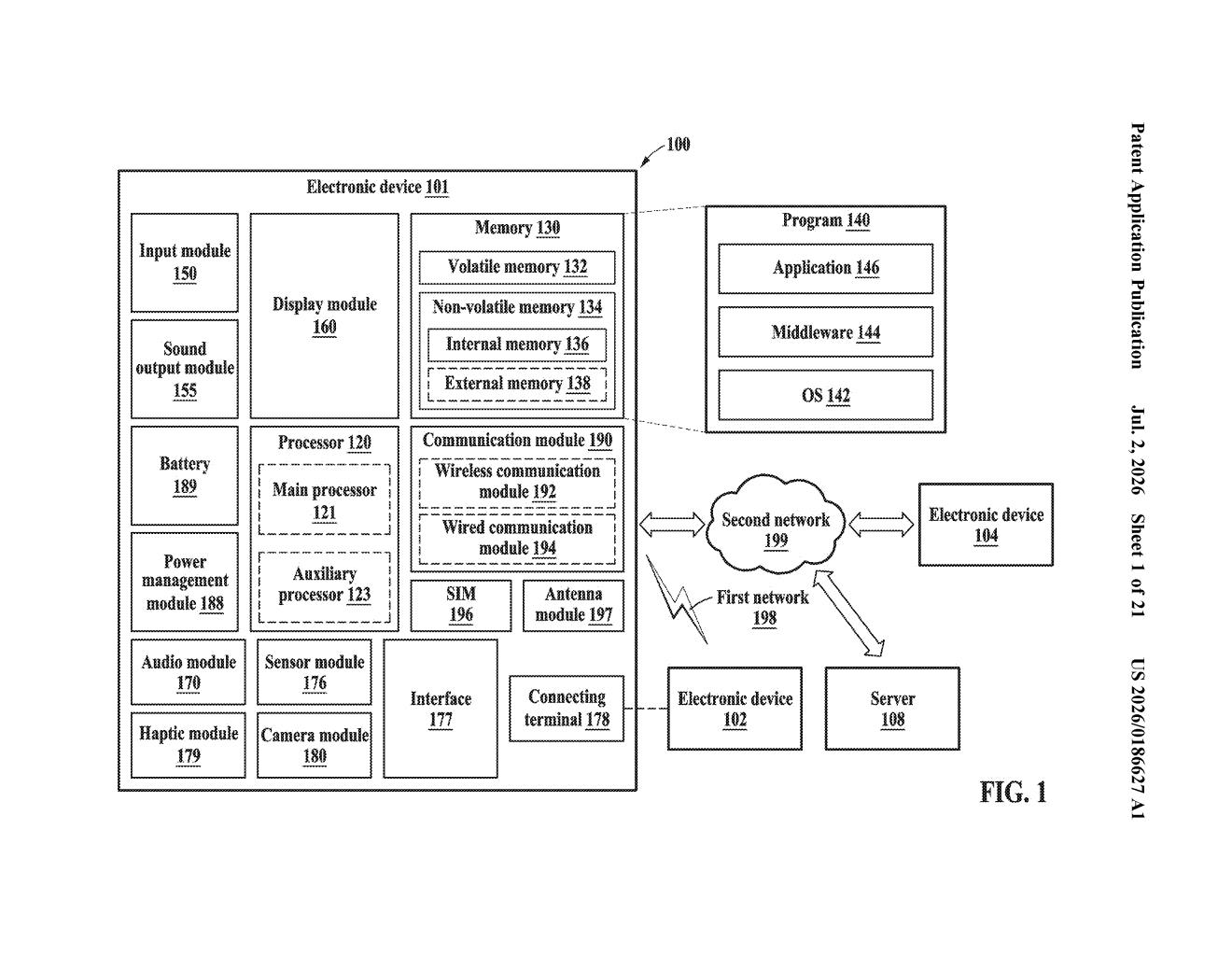
The patent also involves a main display (the inner folding screen), though the primary interaction described takes place on the cover display. The architecture is fairly standard: a memory holding instructions plus one or more processors that run the page-count calculation and drive the output.
What this means for foldable phone cover-screen usability
Cover screens on foldable phones are one of the more awkward interfaces in consumer electronics right now. They are too small for full apps but are supposed to be useful enough that you don't have to unfold the phone for quick tasks. Widget navigation that responds to the energy of a swipe, rather than just its direction, could make those tiny screens feel more intuitive.
For Samsung specifically, this fits a broader push to make the Galaxy Z Flip's cover screen genuinely useful, not just a notification mirror. If the interaction model feels good, it could influence how Samsung designs widget layouts and cover-screen software in future foldable generations.
This is a focused, practical UX patent rather than a flashy concept. Samsung is clearly investing engineering attention in making cover-screen navigation feel physical and intuitive, which is a real problem worth solving on current foldables. It's not headline-grabbing, but it's the kind of detail that separates a cover screen people actually use from one they ignore.
There are more where this came from
We read every patent application Big Tech publishes and send you the ones worth knowing. Plain English, free, every week.
Want this weekly breakdown for a company we don't cover? Patentlyze Pro →
Be the first to weigh in