
Sony Patents a System That Switches Your Wireless Connection as You Walk Away
Imagine your headphones automatically switch from your living room speaker to your bedroom one the moment you walk down the hall — without you touching a thing. That's essentially what Sony is trying to patent here.
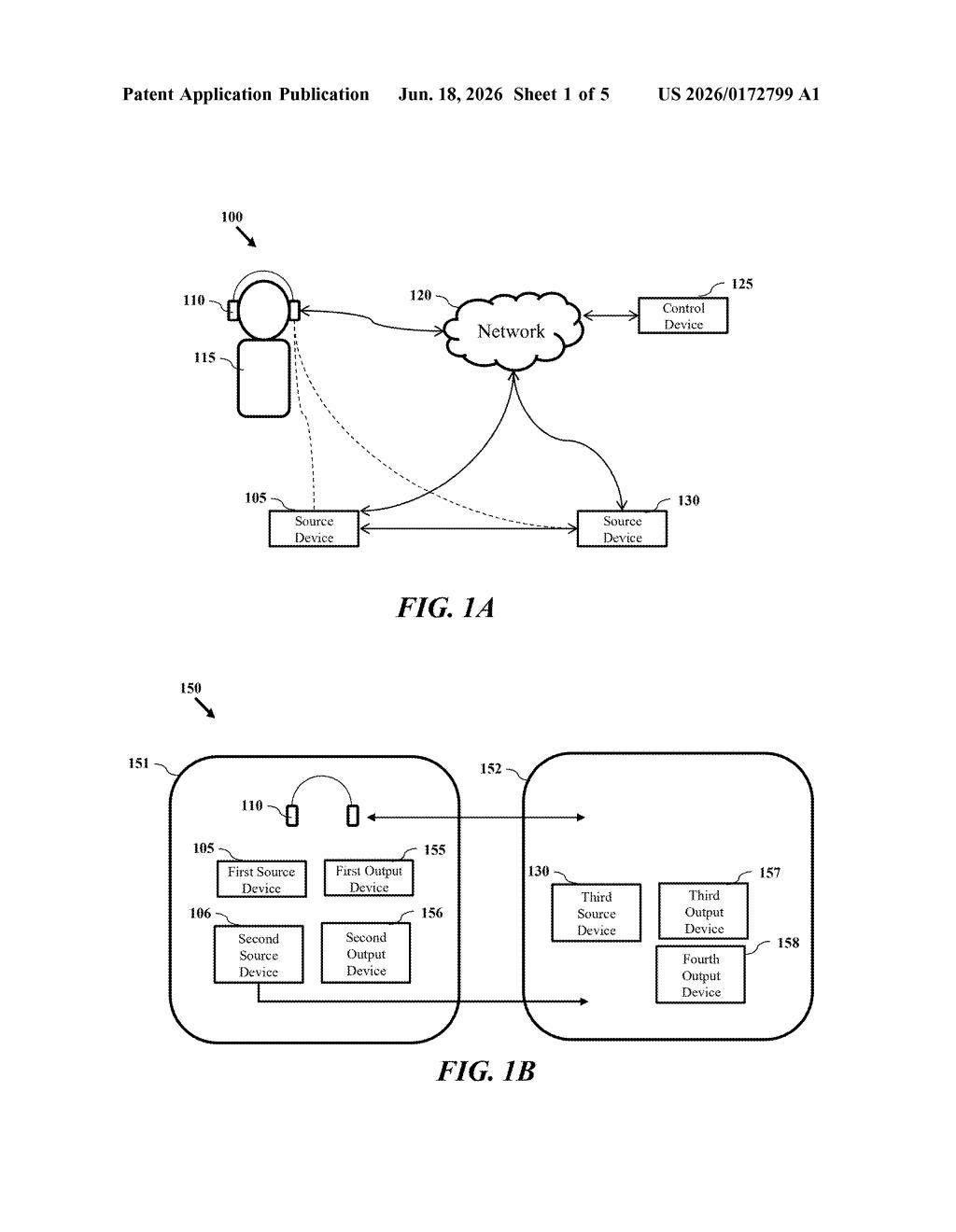
What Sony's auto-handoff wireless system actually does
Picture this: you're listening to music through a Bluetooth speaker in your kitchen, then you wander into the living room. Right now, your phone stubbornly clings to that kitchen speaker until the signal drops or you manually switch. It's annoying, and it's been annoying for years.
Sony's patent describes a system where a central controller watches where you — or more precisely, your phone or headset — are relative to each wireless source. When you move away from one, the controller quietly lines up the next device and hands off the connection before things get choppy.
The system can also learn your habits over time. If you always end up near a particular speaker at a certain time of day, it can pre-activate that device so the switch is faster. It tracks things like signal strength and device type to decide which source is the best fit for where you are right now.
How the control device tracks position and swaps connections
The patent describes a control device — think of it as a traffic cop for wireless connections — that sits in the middle and manages how a user's device (a phone, headset, or controller) connects to multiple source devices (speakers, consoles, access points, etc.).
Here's the core loop the system runs:
- It detects that a connection session is active between your device and a nearby source.
- It tracks your device's position relative to that source — not GPS-level precision, but signal-based proximity.
- When it detects you've moved away (a "location update" in the patent's language), it sends a command to a second source device to get ready.
- It then transfers the active session — including whatever data was being exchanged — to that second source.
The patent also covers pattern recognition: the system can log your connection history and predict which source you'll need next based on where you tend to go. It factors in device type and battery/power levels when deciding which source to activate, so it's not just picking the nearest device blindly.
What this could mean for PlayStation and Sony audio gear
For Sony, this sits at the intersection of two big product lines: PlayStation gaming hardware and Sony's audio ecosystem (headphones, soundbars, speakers). A seamless room-to-room handoff would be a meaningful quality-of-life upgrade for anyone who moves around the house while gaming or listening, without having to open a Bluetooth menu every time.
More broadly, this kind of automatic handoff is something Wi-Fi routers have done for years through a feature called "roaming," but Bluetooth and other short-range protocols have never handled it gracefully for consumers. If Sony can make this work reliably across its product lineup, it closes a gap that has frustrated wireless audio users for a long time.
This is a genuinely useful idea solving a real, everyday frustration — the stubborn Bluetooth connection that won't let go. Sony's angle of combining location tracking with usage-pattern learning is the interesting part; it's not just reactive, it's trying to anticipate where you're going. Whether it ever ships cleanly enough to work the way the patent describes is another question entirely.
There are more where this came from
We read every patent application Big Tech publishes and send you the ones worth knowing. Plain English, free, every week.
Want this weekly breakdown for a company we don't cover? Patentlyze Pro →