
Intel Files Patent for Drones That Report Route Changes to Cellular Networks
As drones move from hobbyist toys to delivery vehicles and commercial aircraft, someone has to keep track of where they're going. Intel is patenting a way to let drones automatically tell the cellular network when their flight plan changes.
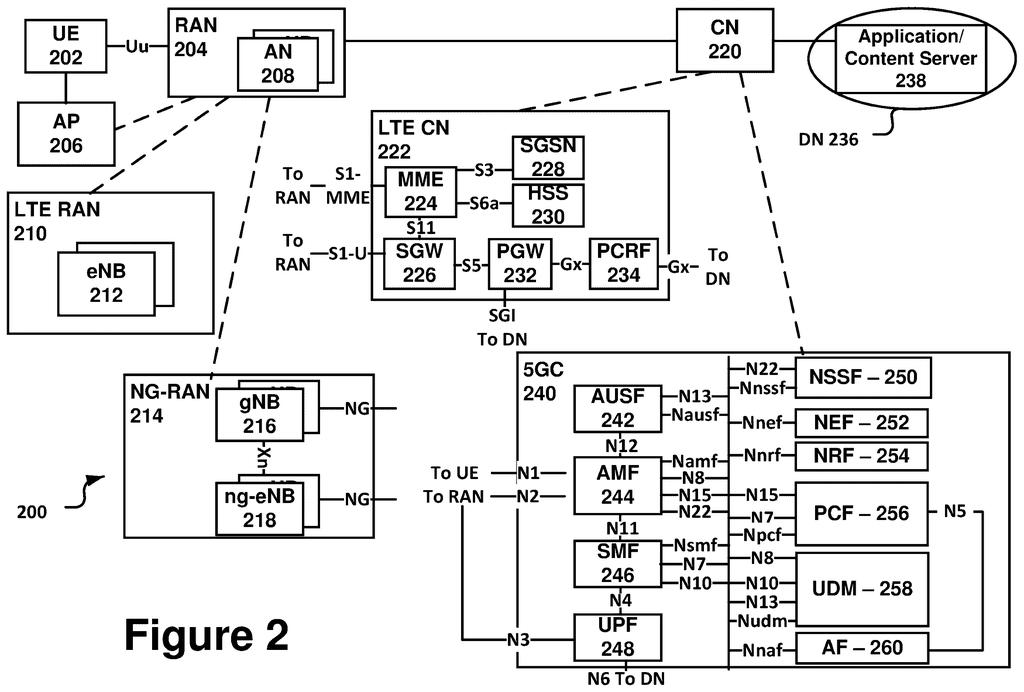
What Intel's drone-to-network flight path system actually does
Imagine a delivery drone that's supposed to follow a set route across town, but then has to swerve around a building or adjust for wind. Right now, there's no standard, automatic way for that drone to tell the network it changed course. Intel's patent tackles exactly that problem.
The idea is that a drone carries a chip (or "user equipment," in cellular language) that stores its planned flight path and constantly checks whether that plan is still accurate. If the drone deviates, the chip triggers a message to the cellular network reporting the updated route.
This matters because regulators and air traffic systems need to know where drones actually are, not just where they were supposed to go. A drone that changes course without telling anyone is a safety and airspace management problem. Intel's approach would make that reporting automatic.
How the UE detects and reports flight path changes
The patent describes a piece of hardware inside a drone, referred to as a user equipment (UE), the same term used for smartphones on cellular networks. That makes sense because the system works over standard wireless cellular infrastructure, meaning the drone communicates through the same towers your phone uses.
The UE has two main components working together:
- A memory that stores the drone's intended flight path
- Processor circuitry that monitors whether the actual path matches the stored one, and sends updates to the network when it doesn't
The patent focuses specifically on triggering conditions, meaning the rules that decide when a deviation is significant enough to report. Not every tiny wobble needs a network message, but a meaningful route change does. The system identifies those moments and pushes a report to a network entity (a cellular base station or core network node) automatically.
The underlying cellular standard being referenced here is likely tied to 3GPP's work on UAV (uncrewed aerial vehicle) support in 5G networks, which has been an active area of standardization for managing drone traffic through existing mobile infrastructure.
What this means for drone traffic management over 5G
Air traffic management for drones is one of the genuinely hard problems standing between today's experimental delivery programs and a world where drones routinely fly over neighborhoods. Regulators like the FAA require drones to report their position and intent, and cellular networks are one of the leading candidates for how that reporting gets done at scale. Intel's patent is a small but concrete piece of that infrastructure.
For you as a consumer, this kind of system is what would eventually make it safe to have dozens of drones flying over your street at once. Without automatic, real-time flight path reporting, human operators would have to manually track every deviation, which doesn't scale. This patent is Intel positioning itself in the chipset and standards layer of a market that's still being built.
This is a fairly narrow standards-adjacent patent covering one specific behavior in drone-cellular integration. It's not a headline product, but Intel has historically made money being inside the infrastructure that others build on top of. If 5G-connected drone traffic becomes real at scale, the chip that handles this handshake could matter a lot. Worth a note, not worth excitement.
There are more where this came from
We read every patent application Big Tech publishes and send you the ones worth knowing. Plain English, free, every week.
The drawings
8 drawing sheets from US 2026/0221044 A1 · click any drawing to enlarge


Want this weekly breakdown for a company we don't cover? Patentlyze Pro →
Be the first to weigh in