
Samsung Patents a Vehicle Display That Personalizes Content for Each Passenger
Samsung wants the screen in your car to know who's sitting in each seat and serve up content tailored to that specific person before they even ask for it.
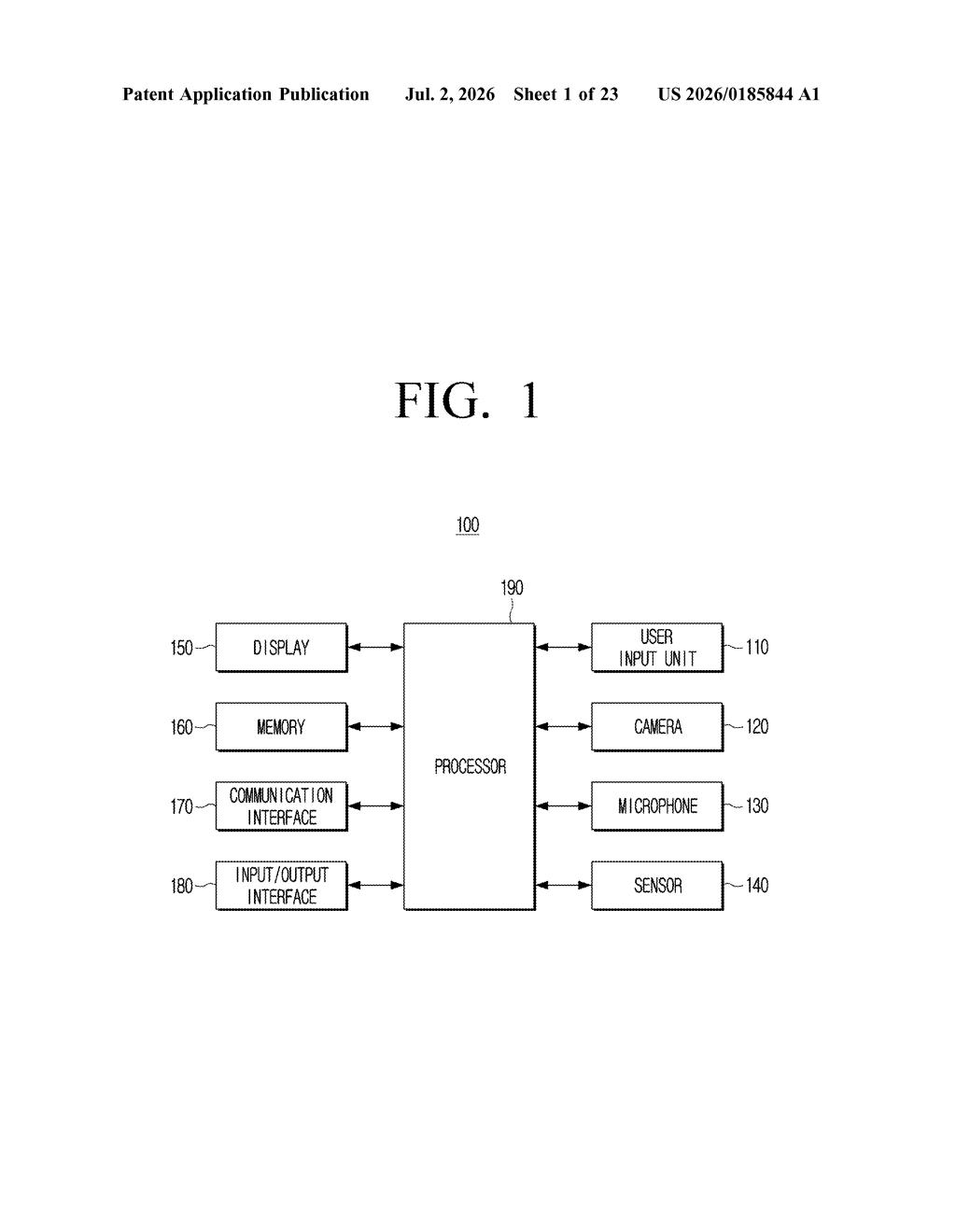
What Samsung's seat-aware in-car screen actually does
Imagine you get into the back of a car for a two-hour ride. Instead of fumbling through menus, the display already knows it's you, knows where you're headed, and starts surfacing shows, playlists, or information that fits your taste and the length of your trip.
That's the idea behind this Samsung patent. The system detects that a person has sat down, figures out who they are, and pulls in their destination to shape what it offers. As the trip goes on, it keeps refining suggestions based on what you tap, skip, or watch.
The patent also accounts for where in the car you're sitting. A front-seat passenger might get different options than someone in the back row. It's essentially a streaming recommendation engine that treats your seat like a personal profile.
How the system detects riders and picks their content
The patent describes an electronic apparatus (think an in-vehicle infotainment or headrest display) with three core jobs:
- Seat detection and user identification: When the system senses someone has taken a seat, it collects information about that user, whether through a linked account, a device handoff, or another identification method the patent leaves open.
- Destination-aware content loading: It also pulls in the destination, so if you have a 20-minute ride it won't suggest a two-hour movie. Content is matched to the trip length and your profile from the start.
- Adaptive recommendations mid-trip: While the vehicle is moving, the system watches for user interactions (taps, skips, pauses) and context signals (the patent's term for ambient data like time of day or location) to keep updating what it recommends.
The claim is deliberately broad, covering any processor-driven display installed in a vehicle. Samsung doesn't specify a particular content type, so the architecture could apply to video, audio, navigation tips, or anything else a screen can show.
What this means for the future of in-car entertainment
Automakers and tech companies are racing to turn vehicle interiors into revenue-generating content platforms, especially as more cars gain always-on connectivity and as autonomous driving creates longer windows of passenger attention. A system that personalizes content per seat from the moment someone sits down could make in-car entertainment far more sticky than the generic interfaces most vehicles ship with today.
For Samsung, which supplies displays and semiconductors to major automakers, a patent like this positions the company not just as a screen vendor but as a platform layer inside the vehicle. If this technology ships, it changes what a car seat is: less a place to wait, more a personalized media zone tied to your profile.
This is a sensible, incremental patent that maps an already-familiar idea (streaming recommendation engines) onto a new surface (car seats). It's not a technical leap, but it reflects a real commercial bet that in-car screens are the next frontier for content platforms. The seat-aware, destination-aware wrinkle gives it just enough novelty to be worth filing.
Get our take in your Top Stories
Liked this breakdown? Add Patentlyze as a preferred source on Google, and our plain-English take shows up more often in your Top Stories the next time Samsung patent news breaks.
There are more where this came from
We read every patent application Big Tech publishes and send you the ones worth knowing. Plain English, free, every week.
Want this weekly breakdown for a company we don't cover? Patentlyze Pro →