
Samsung Patents Technology That Fixes Washed-Out Colors When Combining Multiple Shots
When your phone stitches together multiple shots to create one perfect image, the colors can shift in subtle but ugly ways. Samsung's new patent targets exactly that problem.
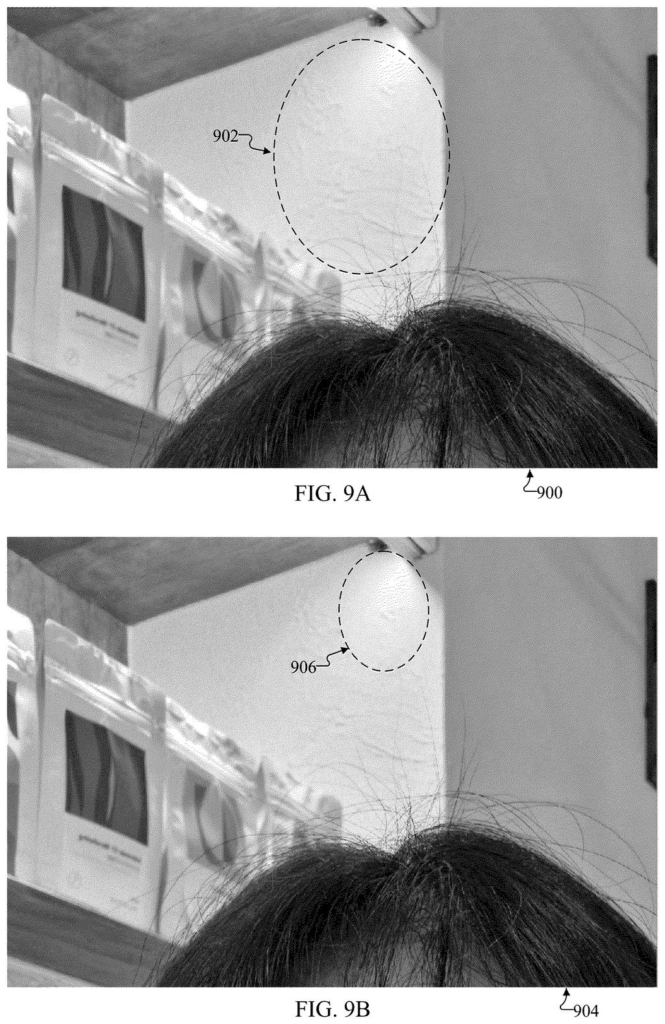
What Samsung's separate-channel blending actually does
Imagine your phone takes three quick shots of a sunset at different brightnesses, then merges them into one image. The result should look great, but often the colors end up slightly off, with weird color casts or unnatural tones in the blended areas. That's the problem Samsung is trying to fix.
The idea here is to treat brightness and color as two separate problems during the blending process. Right now, most exposure fusion methods use the same set of rules to blend everything at once. Samsung's patent describes using one set of blending weights for the brightness information and a different set for the color information.
By doing this, the camera's software can prioritize getting the light balance right without accidentally dragging the colors along with it. You'd end up with merged photos where the colors look true to what your eye actually saw, not what the algorithm guessed.
How luma and chroma weights are calculated separately
Modern smartphone cameras routinely shoot multiple frames at different exposure levels and combine them into one image, a process called exposure fusion. The problem is that blending brightness and color together using the same weighting rules can introduce color errors, particularly in areas that are very bright or very dark.
Samsung's patent splits the image data into two components before blending:
- Luma channel: the brightness or luminance information in the image
- Chroma channels: the color information, separate from brightness
The method calculates first weights specifically optimized for blending the luma channels across all input frames, then calculates separate second weights for blending the chroma channels. Each set of weights can be tuned independently to reduce distortion in its respective domain.
Once the fused luma image and the fused chroma image are generated separately, they are recombined into a single output image. The core claim is that using independent weight maps for brightness and color produces a final image with less color distortion than treating them as a single blended unit.
What this means for night shots and HDR photography
Exposure fusion is a core part of how modern phones handle HDR and low-light photography. When you take a photo in tricky lighting, your Galaxy phone is almost certainly merging several frames behind the scenes. If the blending step introduces even subtle color errors, those errors carry through to the final image you save and share.
For Samsung, this is clearly about image quality at the pixel level, the kind of improvement that shows up in side-by-side comparisons of competing flagships. Getting color accuracy right in merged shots matters especially in night mode and high-contrast outdoor scenes, where color distortion is most visible. It's incremental work, but phone camera quality is increasingly decided by exactly this kind of incremental work.
This is a real, practical improvement to a known problem in computational photography, not a flashy concept. The idea of decoupling luma and chroma blending weights is technically sound and the kind of thing that can ship in a firmware update or camera processing pipeline without new hardware. It's worth watching because Samsung competes directly with Apple and Google on camera quality, and this is exactly the level where those battles are won.
There are more where this came from
We read every patent application Big Tech publishes and send you the ones worth knowing. Plain English, free, every week.
The drawings
9 drawing sheets from US 2026/0212454 A1 · click any drawing to enlarge


Want this weekly breakdown for a company we don't cover? Patentlyze Pro →
Be the first to weigh in