
IBM Patents an AI That Tells Real Sensor Errors Apart From Actual System Changes
Every sensor lies a little. IBM has filed a patent for an AI system that figures out how much of what a sensor is reporting is real, and how much is just the sensor being a sensor.
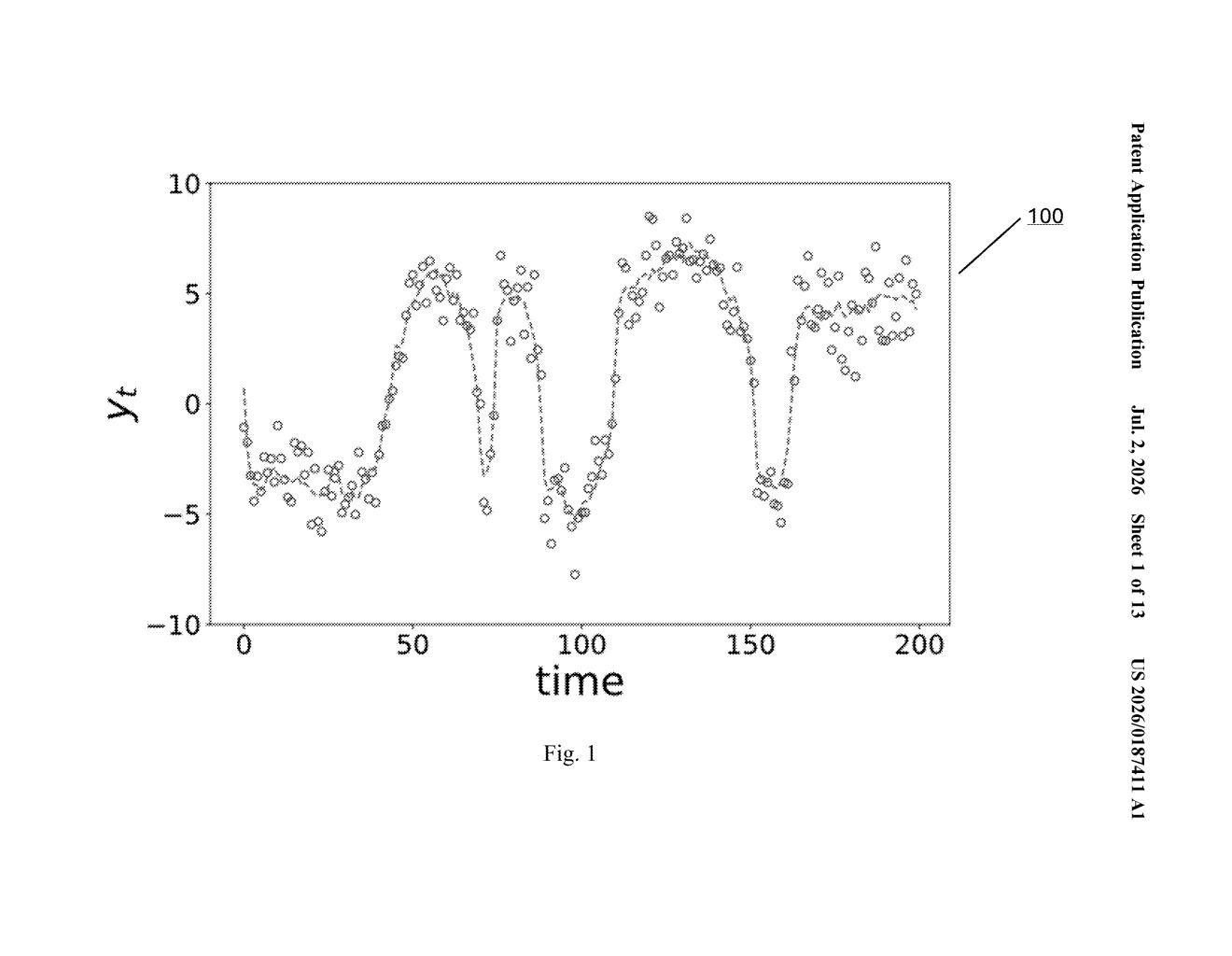
What IBM's noise-filtering AI actually does with sensor data
Imagine a thermometer on a factory floor. Even when the temperature stays perfectly steady, the thermometer's readings wobble slightly from moment to moment. That wobble is sensor noise, it's not the real world changing, it's just the measuring device being imperfect. When you're using those readings to make decisions, you need to know which is which.
IBM's patent describes an AI system that splits this problem in two. One neural network (a type of AI trained on sequences of data over time) figures out what the sensor was probably seeing in reality. A second network, trained with help from the first, homes in specifically on the true state of the underlying system, scrubbed clean of measurement error. Together, they also produce an estimate of exactly how noisy that sensor tends to be.
The end result is a cleaner, more trustworthy prediction of what's actually happening in the system being monitored, whether that's a machine on a production line, a power grid, or a data center.
How IBM's two-network system isolates sensor noise
The patent describes a pipeline built around two recurrent neural networks, which are AI models specifically designed to learn from data that arrives in sequences over time, like sensor readings logged every second.
The first network, called the pre-trained recurrent neural network, is trained on historical sensor data and learns to predict the likely "ground truth" state of whatever system is being measured. Think of it as the AI's best guess at what was really happening, before accounting for measurement error.
The second network, called the dynamical recurrent neural network, is trained using both that same historical data and the first network's outputs. Its job is more specific: it predicts the true state of the underlying system after filtering out sensor noise. The two networks work in tandem rather than independently.
The system also computes a standalone estimate of sensor noise, a numerical characterization of how unreliable the sensor typically is. This is derived from the historical data and the first network's predictions.
Finally, all three outputs (predictions from both networks, plus the sensor-noise estimate) are combined to generate a final prediction of the system's state. The architecture essentially forces the AI to be explicit about what it knows, what it's guessing, and how much uncertainty the sensor itself introduces.
What this means for industrial monitoring and AI reliability
Sensor noise is a headache across almost every industry that uses monitoring equipment. In manufacturing, power generation, and logistics, small measurement errors compound over time and can cause AI-driven systems to raise false alarms or miss real problems. A system that can reliably separate "the sensor is glitching" from "something actually changed" is genuinely useful.
For IBM, this fits squarely into its push to make AI more dependable for enterprise customers. Better noise separation means AI monitoring tools make fewer embarrassing mistakes, which matters a lot when those tools are watching over critical infrastructure. If IBM builds this into its Watson or broader AI operations products, industrial clients would see fewer false-positive alerts cluttering their dashboards.
This is unglamorous but genuinely useful work. Sensor noise is one of those problems that sounds trivial until you're staring at a dashboard that can't tell you whether your equipment is actually failing or just reporting bad readings. IBM is tackling it with a two-model architecture that's methodologically clean, and the patent is more specific and substantive than a lot of AI infrastructure filings. It's not a product announcement, but it's the kind of foundational capability that makes AI systems less annoying to actually deploy.
Get our take in your Top Stories
Liked this breakdown? Add Patentlyze as a preferred source on Google, and our plain-English take shows up more often in your Top Stories the next time IBM patent news breaks.
There are more where this came from
We read every patent application Big Tech publishes and send you the ones worth knowing. Plain English, free, every week.
Want this weekly breakdown for a company we don't cover? Patentlyze Pro →