
Samsung Patents AI That Serves Paying Customers' Prompts Before Free Users
Not all AI requests are created equal. Samsung's new patent describes a system that recognizes this and acts on it, routing some prompts to the front of the line while others wait their turn.
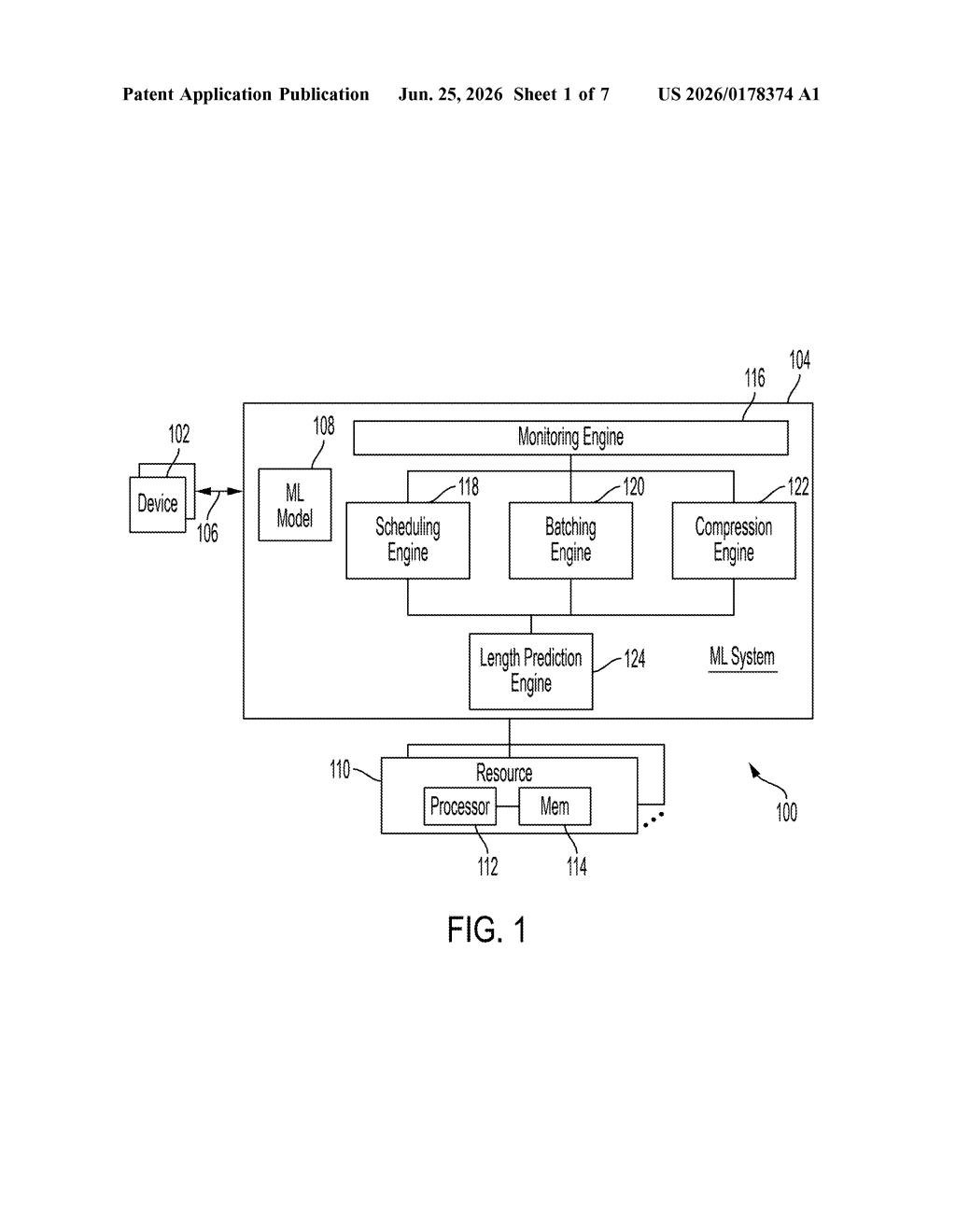
What Samsung's AI prompt priority system actually does
Imagine a hospital emergency room: a broken arm waits while a heart attack gets seen immediately. Samsung's patent applies that same logic to AI systems. When multiple people send requests to the same AI model at the same time, this system checks the "priority level" of each request before deciding how to process it.
A high-priority request, say from a paying subscriber or a time-sensitive business application, gets processed with settings tuned for speed. A lower-priority request might get bundled together with others into a larger batch, which is more efficient but slightly slower.
The result is that an AI service can serve different customers differently without running separate AI models for each tier. It's the same engine under the hood, but the traffic rules change depending on who's asking.
How the system assigns batch sizes by service level
The patent describes a processor that receives multiple inputs (prompts) destined for the same AI model. Before the model touches any of them, the system reads a service level attached to each input, essentially a tag that indicates how urgently or preferentially that request should be handled.
Based on those service levels, the system sets two key variables for each input:
- Processing criterion: rules about how the model should handle the request (for example, whether to use a faster but less thorough inference path)
- Batch size: how many requests are grouped together before the model processes them (batching, or grouping requests, improves hardware efficiency but can add wait time)
A high-priority input might get a small batch size (processed almost immediately, alone or with very few others) and a fast processing criterion. A low-priority input might be held until a larger batch accumulates, which saves compute costs but takes longer.
The patent also references two separate memory components, suggesting the system is designed with real hardware deployment in mind, likely targeting on-device or edge AI inference rather than purely cloud infrastructure.
What this means for AI services running at scale
For companies running AI services commercially, this kind of tiered processing is the difference between profitable infrastructure and runaway compute bills. Without priority queuing, every request competes equally for the same hardware, which means you either over-provision (expensive) or your best customers experience the same slowdowns as free-tier users.
For you as a user, this could mean that a paid AI subscription actually feels noticeably faster than a free one, not because the underlying model is different, but because your requests skip the queue. Samsung's Galaxy AI features and its broader push into on-device AI make this a practical concern, not a theoretical one.
This is infrastructure plumbing, not a flashy consumer feature, but it's exactly the kind of patent that signals Samsung is thinking seriously about monetizing AI at scale. Tiered service quality is table stakes for any company that wants to run AI as a real business, and filing this patent suggests Samsung is building that commercial layer deliberately.
There are more where this came from
We read every patent application Big Tech publishes and send you the ones worth knowing. Plain English, free, every week.
Want this weekly breakdown for a company we don't cover? Patentlyze Pro →