
Red Hat Patents a Way to Track Which Container Layers Are Actually Doing Work
Most software containers ship with layers that sit idle in production. Red Hat's new patent describes a system that figures out exactly which layers are pulling their weight and which ones aren't.
What Red Hat's container layer tracking actually does
Imagine you order a pizza with ten toppings, but you only ever eat three of them. You're still paying for all ten. Software containers work similarly: they're built in stacked layers, and many of those layers may do almost nothing when the software actually runs.
Red Hat's patent describes a system that watches a running container and measures how much work each layer is actually doing. It does this by tracking individual processes (the small programs running inside the container) and connecting them back to the specific layer they came from.
Once the system knows which layers are busy and which are idle, it can take action on the file that defines the container. That might mean flagging unused layers, suggesting cuts, or automatically trimming the container down. The goal is leaner, cheaper containers with less dead weight.
How the mapping file connects processes to layers
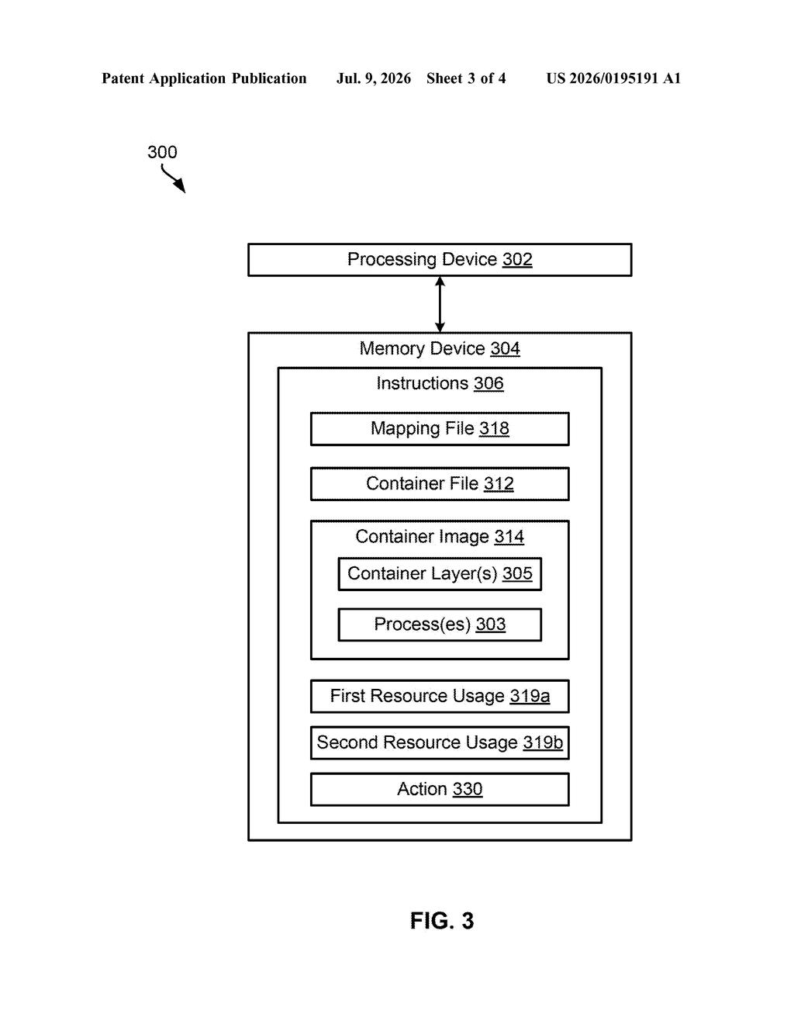
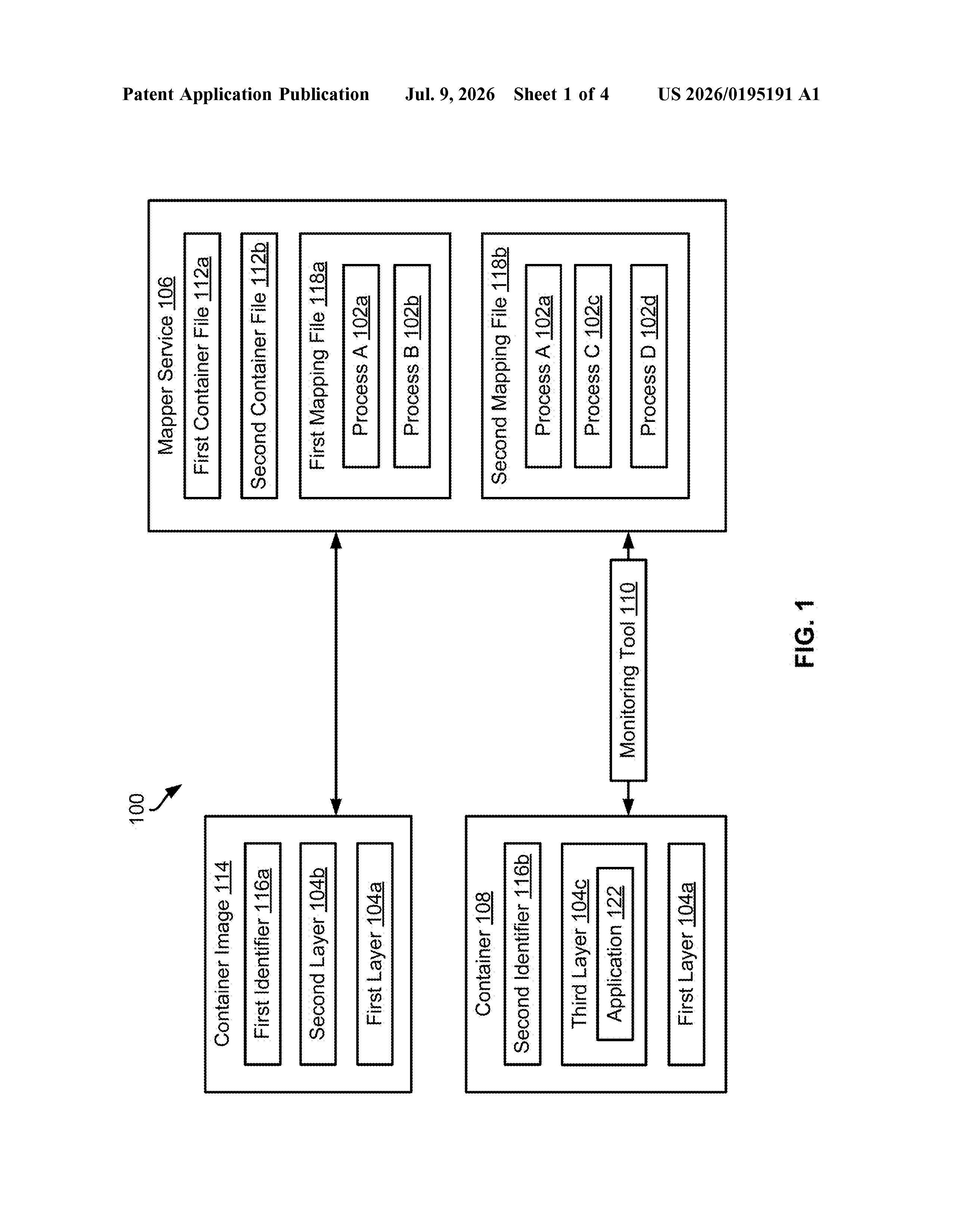
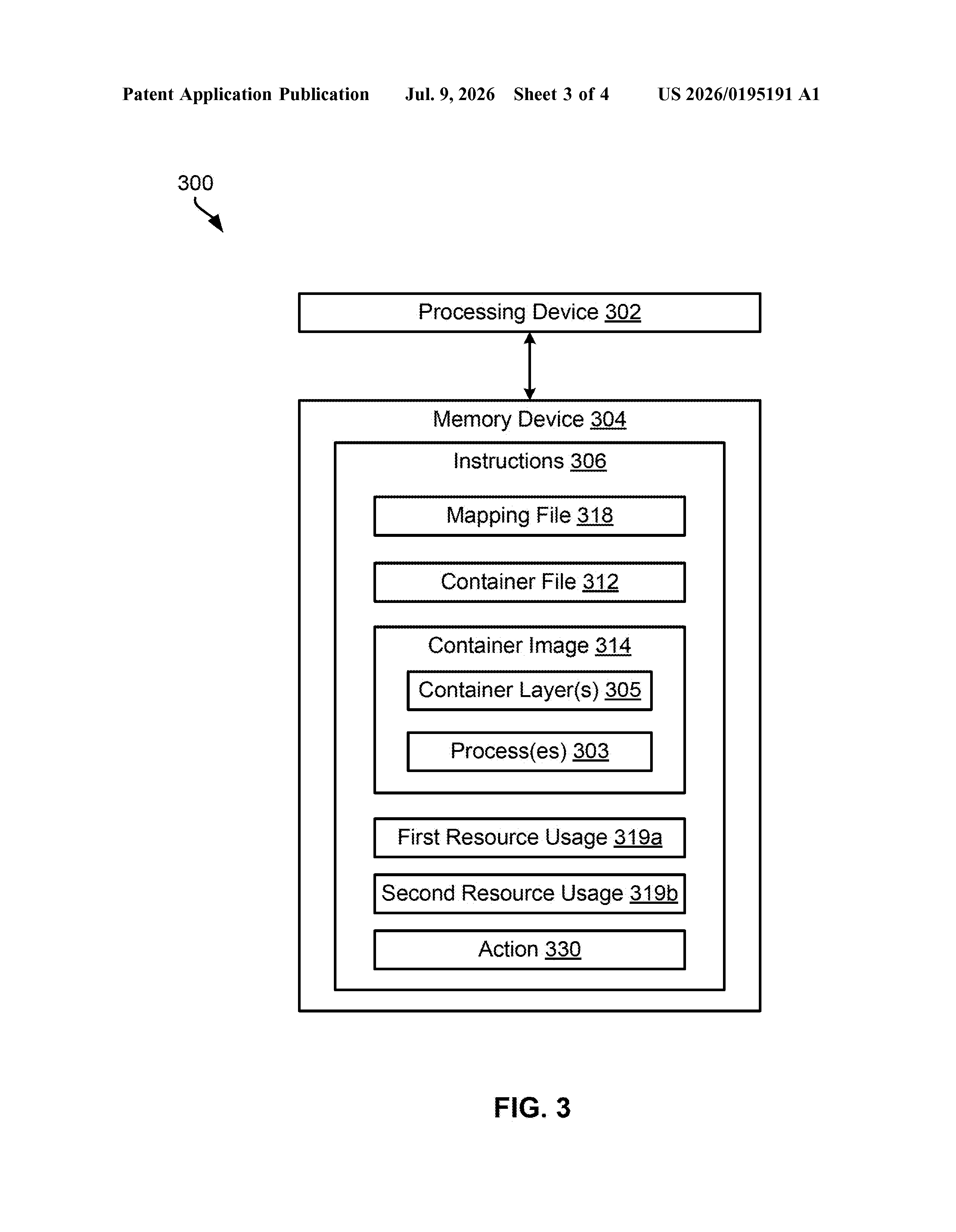
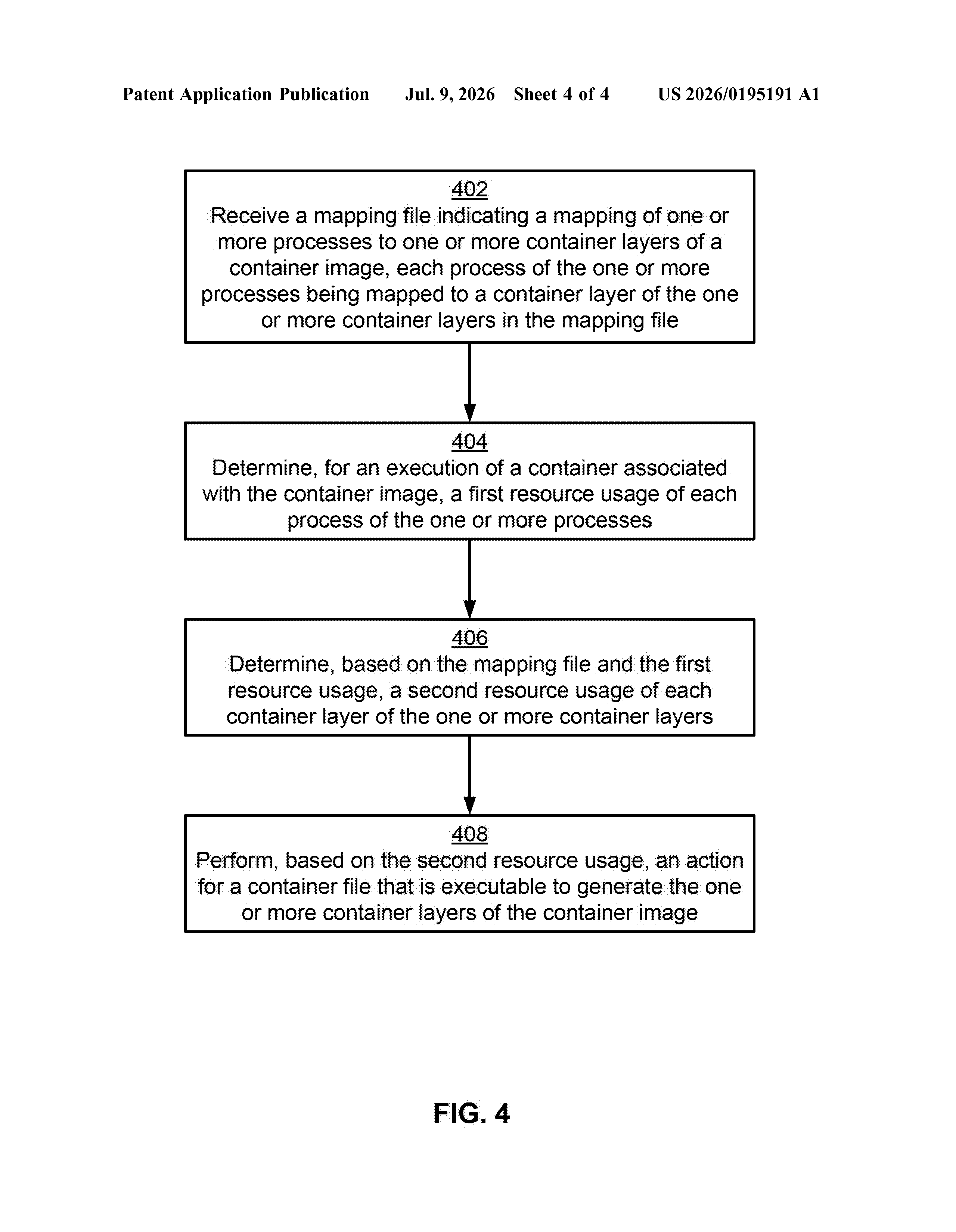
The patent describes a three-step pipeline built around a container process mapping file. A container image (the blueprint for a running application) is made up of stacked layers, each contributing files, libraries, or configuration. The mapping file explicitly links each process running inside the container to the specific layer that introduced it.
During a live container execution, the system measures first resource usage for every process: CPU time, memory, I/O, or similar metrics. It then rolls those numbers up through the mapping file to compute second resource usage per layer, essentially attributing the workload cost to each layer of the image.
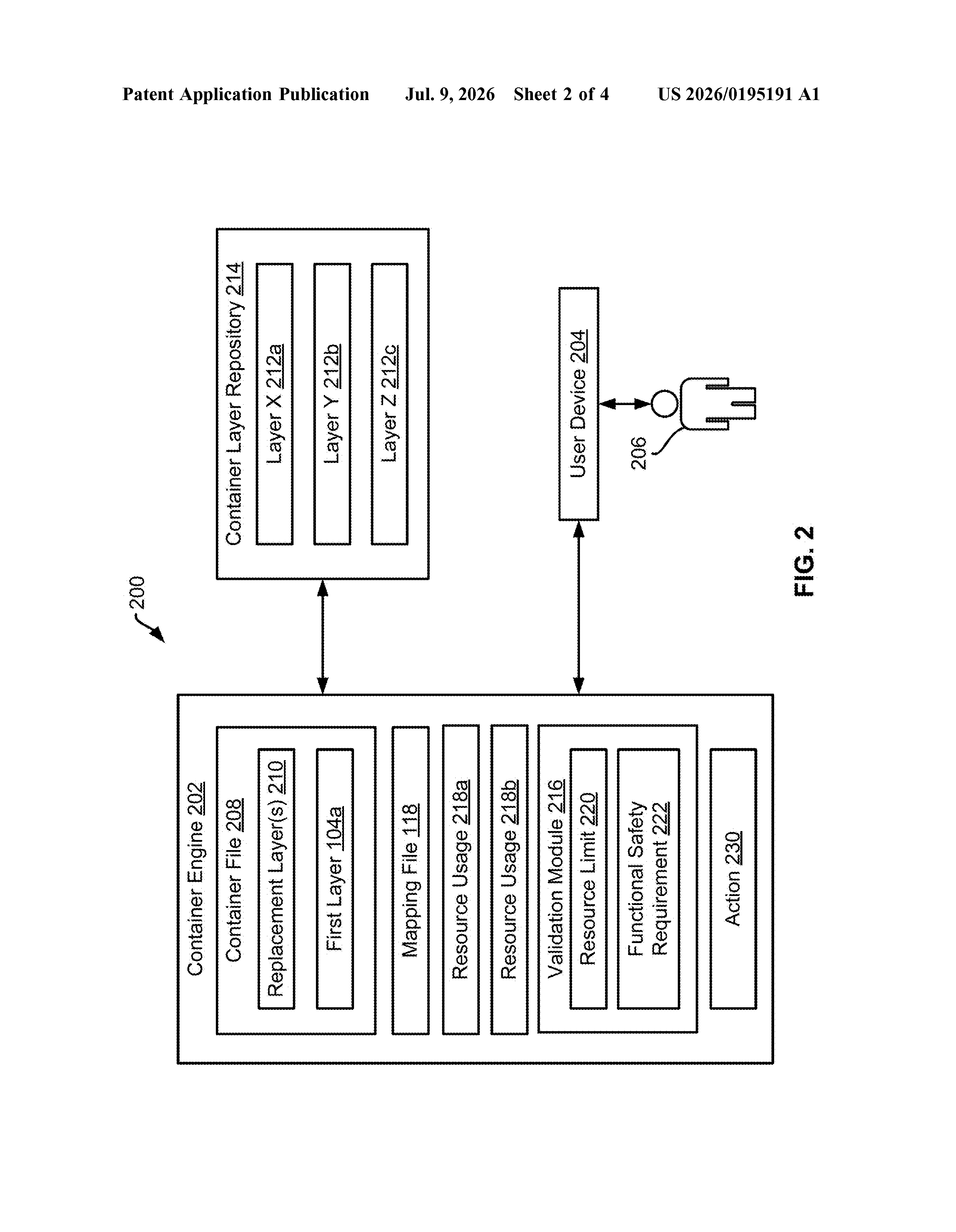
Based on that per-layer picture, the system can perform an action on the container file (typically a Dockerfile or equivalent build recipe) that generates those layers. The patent doesn't lock in a single action; possibilities include:
- Flagging or reporting layers with near-zero usage
- Recommending removal of unused layers from the build file
- Automatically rewriting the container definition to drop idle layers
The approach is agnostic to the specific container runtime or orchestration platform, though it maps naturally onto systems like Docker, Podman, or Kubernetes environments where Red Hat's OpenShift already operates.
What this means for cloud cost and container bloat
Container bloat is a real and costly problem in cloud infrastructure. Larger images take longer to pull, consume more storage, and expand the attack surface for security vulnerabilities. Right now, developers mostly guess at which layers are necessary; auditing requires manual inspection or external tooling that doesn't connect process behavior back to image structure. Red Hat's approach would close that loop automatically.
For organizations running hundreds or thousands of containers, even modest image-size reductions translate to meaningful savings in bandwidth, storage, and startup time. Red Hat, which IBM acquired in 2019, sits at the center of enterprise Linux and container tooling, so a feature like this could surface in OpenShift or its broader container platform tools. Whether it does is another question entirely.
This is infrastructure plumbing, not a flashy product announcement. But the problem it targets is genuinely underserved: nobody has a clean, automated way to connect runtime process behavior back to image layer definitions. If Red Hat ships this into OpenShift or its container toolchain, platform engineers will care.
There are more where this came from
We read every patent application Big Tech publishes and send you the ones worth knowing. Plain English, free, every week.
The drawings
4 drawing sheets from US 2026/0195191 A1 · click any drawing to enlarge
Want this weekly breakdown for a company we don't cover? Patentlyze Pro →
Be the first to weigh in