
Sony
Sony · Input & haptics · Filed Apr 29, 2025 · USPTO published Jun 11, 2026 · Jun 11 release
Patent: See Exactly How Controller Sensitivity Tweaks Change Your Input in Real Time
Analog stick drift and miscalibration are among the most complained-about problems in gaming. Sony is quietly patenting a smarter way to tune controllers that shows you exactly what's happening before and after any adjustment.

- Publication number
- US 2026/0158374 A1(US20260158374A1)
- Applicant
- Sony Interactive Entertainment Inc.
- Filed · Published
- Apr 29, 2025 · Jun 11, 2026
- Inventors
- Keisuke Kawai, Yoshiyuki Imada, Shinya Mikami
- Status when we published
- Waiting for an examiner
- Document
- 21 claims
- US classification
- 463/37
- Parent application
- National Stage Entry of PCT/JP2022/040759 (filed Oct 31, 2022)(PCTJP2022040759)
What Sony's analog stick calibration patent actually does
Imagine trying to fix the steering on a car while blindfolded — you'd have no idea if your adjustments were actually helping. That's roughly what happens today when you try to recalibrate a game controller's analog sticks: you're guessing.
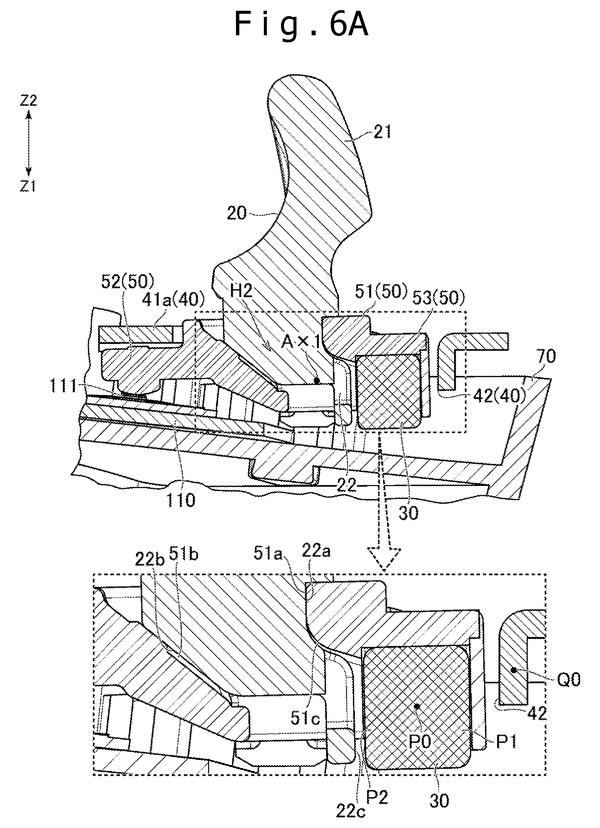
Sony's patent describes a controller that, while in a special adjustment mode, sends two separate readings to the console at the same time. One reading is the raw, unprocessed input straight from the stick — no corrections applied. The other is the adjusted value, filtered through whatever calibration settings you're currently dialing in.
Having both values lets the system (or you) compare the stick's true physical signal against the tuned output in real time. That means you can see whether your calibration is actually fixing a drift problem or just masking it, without ever leaving the settings screen.
How the controller sends two data streams at once
The patent describes an analog input device adjustment mode built into a game controller — think of it as a live calibration session. During this mode, the controller generates what the patent calls operation information that bundles two distinct numeric values together in a single transmission to the console.
- First value: The stick reading after the current calibration settings have been applied — this is what the game would actually "see."
- Second value: The raw stick reading with no calibration applied — this is the physical signal straight from the hardware sensor.
By transmitting both simultaneously, the information processing apparatus (the console or a PC) can evaluate how much the calibration is changing the input and whether the correction is behaving as intended. The setup implies a feedback loop: the system can show a user or developer both streams in real time, allowing iterative tuning.
The claim structure is sparse — the independent claims were canceled in this publication, which typically happens during prosecution when claims are being rewritten — but the abstract and specification make the dual-value transmission the clear core of the invention.
What this means for stick drift and controller tuning
Stick drift — where analog sticks register movement even when you're not touching them — is one of the most widely reported hardware complaints across PlayStation, Xbox, and Nintendo controllers. Calibration tools exist, but they've historically operated as black boxes: you tweak a setting and hope the game feels better. Sony's approach makes the calibration process transparent by exposing both the corrected and uncorrected data streams simultaneously.
For everyday players, this could mean a proper in-console calibration tool that actually shows whether your stick is drifting before corrections are applied. For Sony's hardware and software teams, the dual-stream design also opens the door to automated drift detection and smarter default profiles — without requiring users to know anything about how analog inputs work.
Source: US 2026/0158374 A1 at the USPTO (PDF). Full patent text and figures are in the official publication.
Get our take in your Top Stories
Liked this breakdown? Add Patentlyze as a preferred source on Google, and our plain-English take shows up more often in your Top Stories the next time Sony patent news breaks.
Add Patentlyze on Google
One click.
There are more where this came from
We read every patent application Big Tech publishes and send you the ones worth knowing. Plain English, free, every week.
More from Sony
All 707 Sony patents →

More in Hardware
All 2,316 Hardware patents →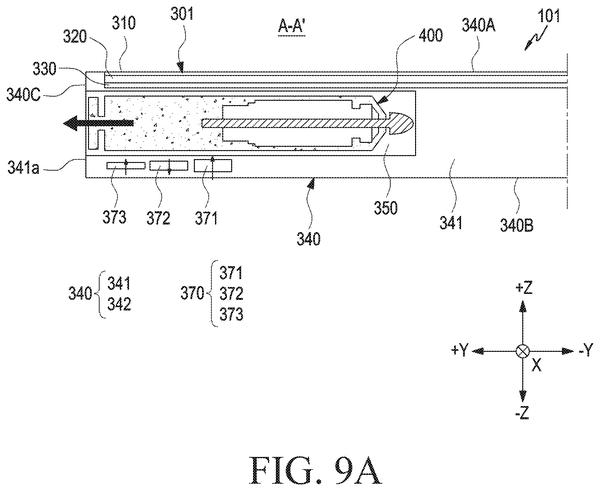
Samsung
Samsung Patents a Grip-Tuned Magnet System for Keeping Stylus Pens in Place
Microsoft
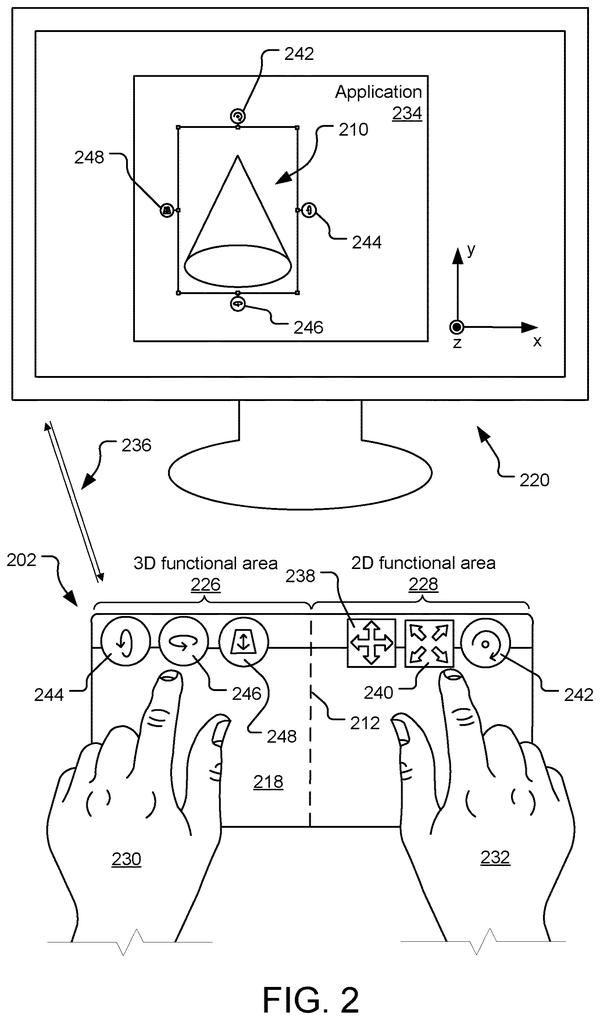
Microsoft Patent Splits One Trackpad Into Two Separate Hand-Controlled Zones
Samsung
Samsung Patents a Spring-Loaded Internal Connector Support for Electronics
Samsung