
Apple Patents a Display That Adjusts Text Size Based on How You've Changed
Your iPhone could one day notice that your eyes or hands have changed — and quietly bump up the text size before you even realize you needed it to.
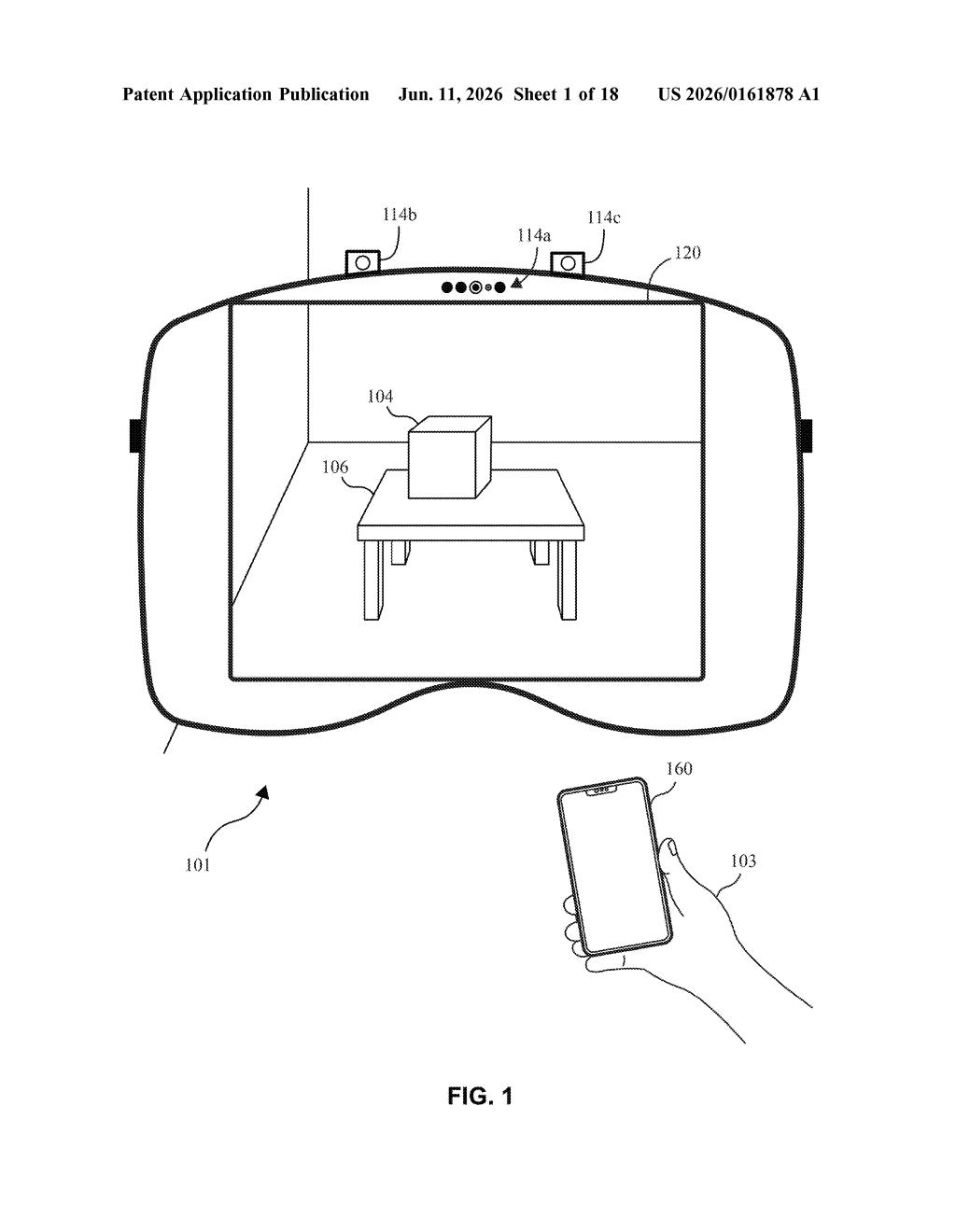
What Apple's auto-font-size system actually tracks
Imagine you got a new pair of glasses, or your vision slowly worsened over the past year. Right now, your phone has no idea — you'd have to manually dig through settings to make text bigger. Apple's new patent describes a system that would handle that automatically.
The idea is that your device collects a snapshot of data about how you interact with it at one point in time, then compares that to a later snapshot. If enough has changed — say, you're holding the phone closer, tapping more slowly, or something else the sensors can detect — the device bumps up the text size on its own.
This is less about flashy AI and more about quiet, proactive accessibility. The goal seems to be catching gradual changes you might not even consciously notice, and adapting your display before the small print becomes a real problem.
How the device compares user data snapshots over time
The patent describes a method running on an electronic device (almost certainly an iPhone, iPad, or Apple Watch) that is connected to input sensors and one or more displays. Here's the core loop:
- Step 1 — Baseline snapshot: At a first point in time, the device collects a set of data about the user through its input devices (cameras, touch sensors, accelerometers, etc.) and stores it.
- Step 2 — Later comparison: At a second, later point in time, the device collects a new set of data about the same user.
- Step 3 — Decision gate: The device compares the two datasets against one or more defined criteria. If the new data crosses a threshold — indicating meaningful change — the font size is automatically updated. If not, nothing changes.
The patent is deliberately broad about what "data related to the user" actually means, which gives Apple latitude to apply this to vision-related signals, motor-behavior signals, or even health metrics piped in from a paired Apple Watch. The two-snapshot comparison model is essentially a change-detection system — it's looking for drift from a personal baseline, not comparing you to any population average.
What this means for aging users and accessibility features
For the hundreds of millions of older adults who use iPhones, vision and dexterity change gradually — often too gradually to prompt a deliberate trip into the Accessibility settings. A system that notices the change and adapts the display without requiring user action could meaningfully reduce friction for a large and growing demographic. It also fits neatly into Apple's broader push to position its devices as proactive health and wellness tools rather than passive screens.
The patent's scope is wide enough that "user data" could eventually include optical prescription data from Apple's Vision Pro, grip-strength proxies from Apple Watch, or even ambient lighting conditions. Whether Apple ships this as a background process or a prompted suggestion remains to be seen — but the architecture described here is clearly built for the former.
This is a genuinely useful accessibility patent dressed up in deliberately vague patent language. The core concept — your device noticing that you've changed and adapting before you ask — is the right direction for assistive technology. Whether Apple implements it as a seamless background feature or a nagging notification will determine whether it actually helps people.
There are more where this came from
We read every patent application Big Tech publishes and send you the ones worth knowing. Plain English, free, every week.
Want this weekly breakdown for a company we don't cover? Patentlyze Pro →