
IBM Patents a System That Catches Attackers Trying to Manipulate Its AI Models
AI models are only as reliable as the data fed into them, and bad actors know it. IBM is patenting a system designed to catch attempts to manipulate an AI by sneaking in deceptive or corrupted inputs before they do damage.
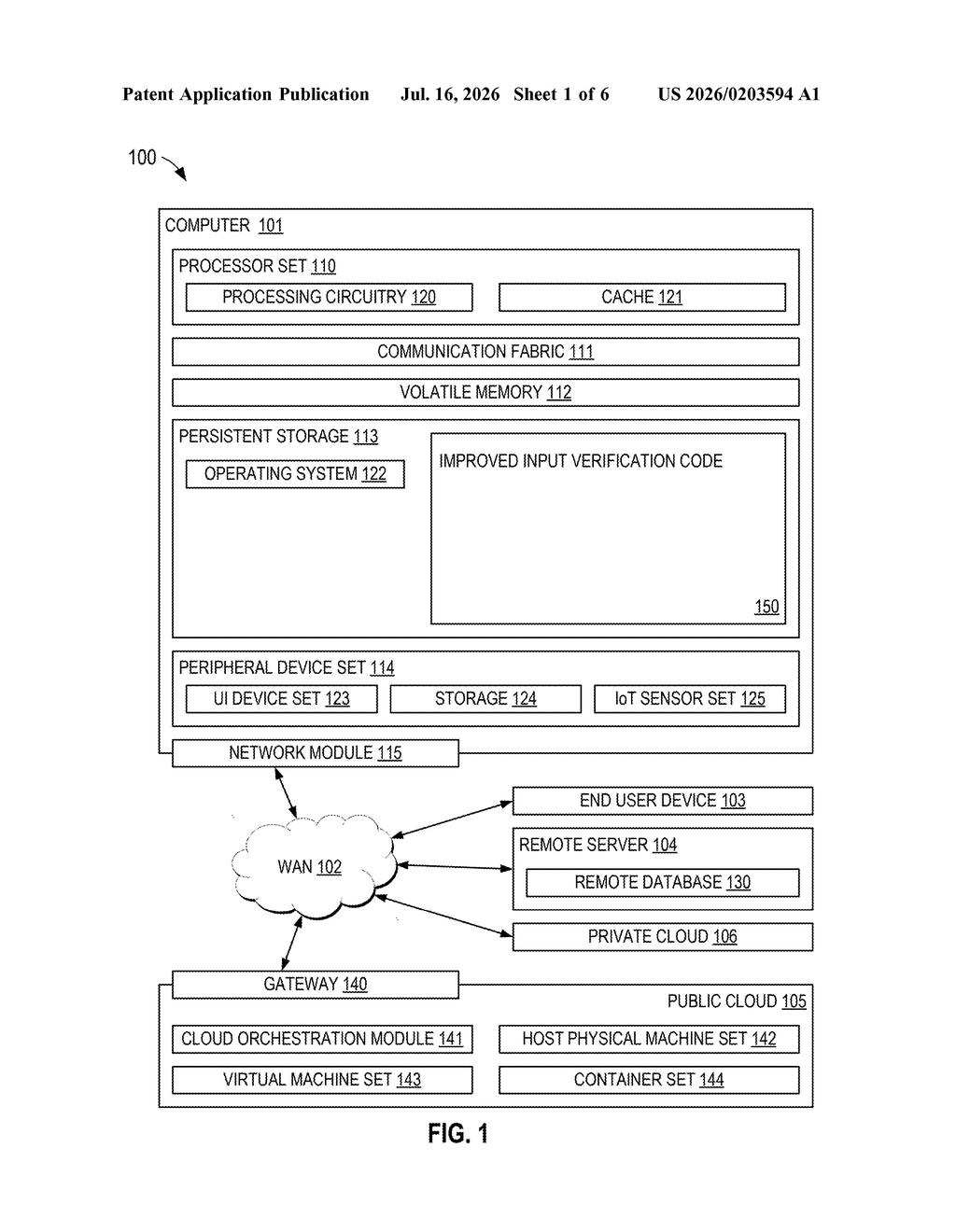
How IBM's AI watchdog spots poisoned data
Imagine someone figuring out that a bank's fraud-detection AI is heavily influenced by one particular piece of information, say, the city where a transaction happens. A clever attacker could exploit that knowledge by feeding the AI slightly falsified data about that exact detail, tricking it into approving fraudulent charges or flagging legitimate ones. That kind of attack is called adversarial manipulation, and it's a real concern for any company using AI to make important decisions.
IBM's patent describes a system that monitors an AI model's most sensitive inputs in real time. It first figures out which data points have the biggest influence over the model's decisions, then keeps a close eye on those specific fields for anything suspicious. If something looks off, the system flags it as potentially malicious and tries to limit the damage automatically.
Think of it like a security camera focused not on the whole building, but specifically on the door the thieves are most likely to use. The goal is to protect the AI from being steered toward wrong answers by people who understand how it works.
How the system scores inputs and flags bad actors
The patent describes a multi-step pipeline for defending AI models against what researchers call adversarial inputs (data crafted to mislead the model).
First, the system measures influence strengths of each input feature (a feature is any individual piece of data the model uses, like a user's age, a transaction amount, or a sensor reading). Think of influence strength as a score for how much each feature actually sways the model's output. Features with high influence are the ones an attacker would most want to tamper with.
Next, the system identifies high-risk datapoints, the specific input slots where manipulation would have the most impact. It then monitors those slots in real time, comparing incoming data against expected patterns. If the live data looks anomalous relative to what the model has learned to expect, the system flags those inputs as potentially malicious.
Finally, and this is the part that sets it apart from a simple alarm system, the method dynamically determines how to respond. Rather than just raising an alert and stopping, it decides on a mitigation strategy: that could mean ignoring the suspicious input, substituting a safe default value, or adjusting the model's behavior until the threat is resolved. The whole process is designed to run automatically without a human having to intervene each time.
What this means for AI safety in enterprise software
AI systems are increasingly making high-stakes decisions in banking, healthcare, hiring, and supply chains. As those systems become more valuable targets, the incentive to manipulate them grows. IBM's filing addresses a category of attack that most AI security conversations overlook: not hacking the model itself, but corrupting the data flowing into it during normal operation.
For enterprise customers running IBM's AI platforms, this kind of built-in defense could be the difference between a model that stays reliable under pressure and one that can be gamed by anyone who studies it long enough. It also signals that IBM sees AI security not as an add-on but as something baked into the model's runtime, which is the direction the whole industry is likely heading.
This is genuinely useful work in a space that doesn't get enough attention. Adversarial input attacks on production AI are underreported and undersolved, and IBM's approach of watching the model's most influential features in real time is a practical, deployable idea rather than a theoretical exercise. The patent is narrow enough to be credible and broad enough to matter across industries.
There are more where this came from
We read every patent application Big Tech publishes and send you the ones worth knowing. Plain English, free, every week.
Want this weekly breakdown for a company we don't cover? Patentlyze Pro →