
Google Patent Chooses the Safer Command When Radar Misreads Your Gesture
When a radar sensor can't quite tell what gesture you just made, Google's new patent says the device should guess wrong in the least damaging direction possible.
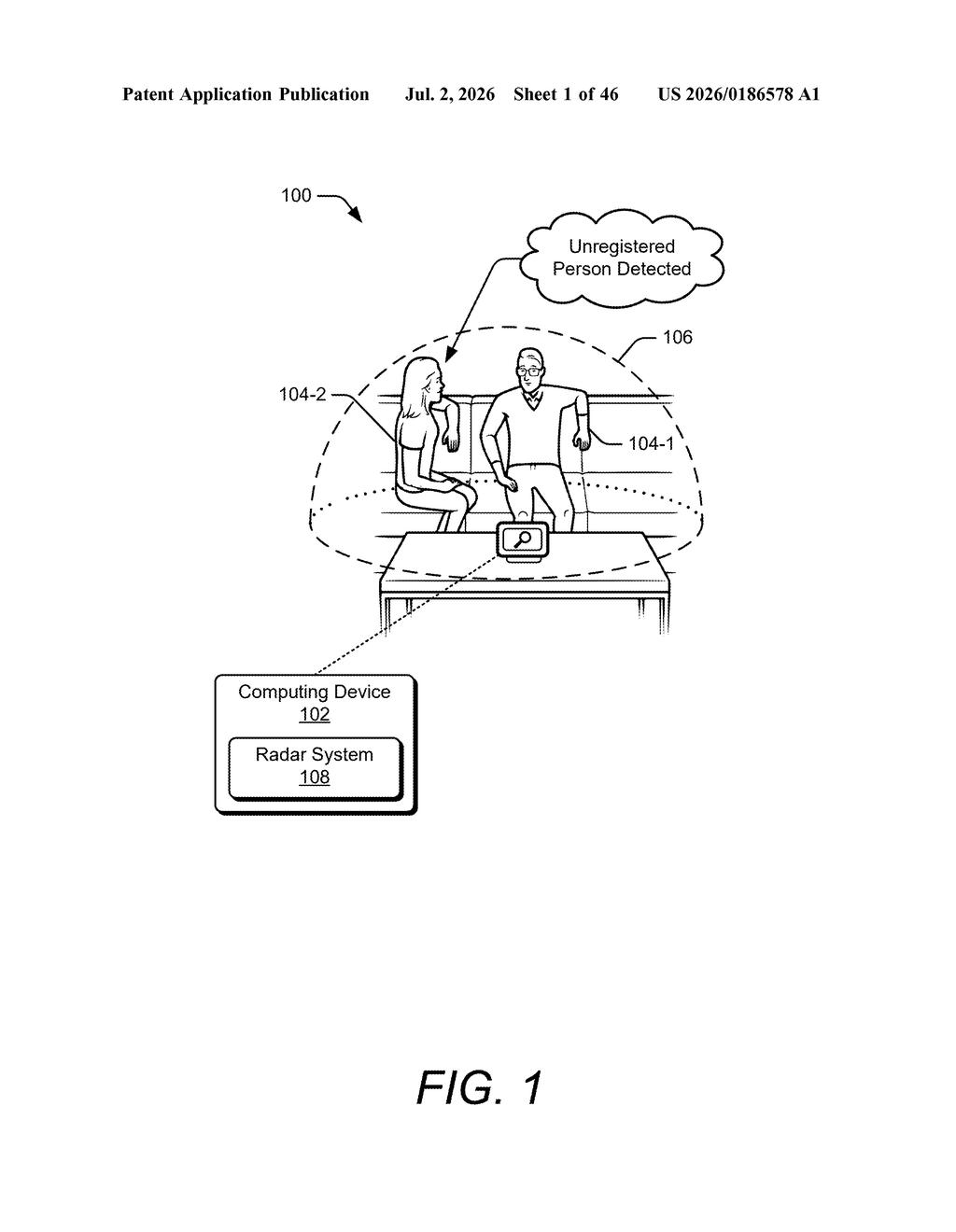
What Google's gesture safety-net actually does
Imagine you're cooking and you wave your hand near a Google device to skip a song, but the sensor isn't sure if you did a "skip" gesture or a "delete playlist" gesture. Today, it might just pick one and you lose your playlist. This patent is Google's proposed fix for that problem.
The idea is simple: when the device sees a gesture it can't confidently identify, it figures out which of the two most likely commands would cause less damage if it guessed wrong, then does that one. So instead of deleting your playlist, it skips the track and waits for you to correct it if needed.
This is designed for radar-based gesture control, a technology Google has been developing for years that lets you control devices without touching them. The goal is to make those controls feel safe enough to trust, even in noisy or unpredictable real-world conditions.
How the radar system picks between two possible commands
The patent describes a method for handling what it calls an ambiguous gesture: a hand movement that a radar system detects but cannot reliably match to a single known command.
When that happens, the system compares the radar signal from the unclear gesture to a library of stored gesture signals. If it finds two plausible matches, say a "dismiss" gesture and a "delete" gesture, it doesn't flip a coin. Instead, it runs a second decision layer that asks: which of these two commands is less destructive?
"Destructive" here means hard to undo. A command that skips a song is less destructive than one that permanently deletes a file. The system then executes the safer of the two candidate commands. The key components are:
- A radar system that captures fine-grained signal characteristics of a hand movement
- A comparison step that matches the incoming signal against stored gesture profiles
- A destructiveness ranking that the system uses to choose between ambiguous matches
The patent also notes the system can act on a connected device, not just the one with the radar, which means it could apply to smart home setups where a gesture on one hub controls another appliance.
What this means for hands-free device control
Radar-based gesture control is only useful if people trust it enough to rely on it. Right now, the fear of a misread wave accidentally deleting something or triggering an irreversible action is a real barrier to adoption. This patent directly addresses that hesitation by building a "fail safe" assumption into the recognition logic itself.
For you as a user, it means gesture-controlled devices could become more forgiving in the way good software design usually is: defaulting to the recoverable option when something is uncertain. It also signals that Google is still actively developing the radar gesture platform it introduced with Project Soli years ago, and is thinking about production-quality reliability rather than just proof-of-concept demos.
This is a genuinely thoughtful piece of defensive engineering. Most gesture-recognition patents focus on making recognition more accurate; this one accepts that perfect accuracy is unreachable and designs around the failure mode instead. That's the kind of practical thinking that separates a research prototype from something people actually use every day.
Get our take in your Top Stories
Liked this breakdown? Add Patentlyze as a preferred source on Google, and our plain-English take shows up more often in your Top Stories the next time Google patent news breaks.
There are more where this came from
We read every patent application Big Tech publishes and send you the ones worth knowing. Plain English, free, every week.
Want this weekly breakdown for a company we don't cover? Patentlyze Pro →