
Disney Patents an AI Tutor That Builds Lessons Around Your Favorite Stories
What if a quiz about fractions came wrapped in Star Wars lore, or a reading comprehension lesson used Frozen dialogue? Disney has filed a patent for exactly that kind of AI-powered personalized tutoring system.
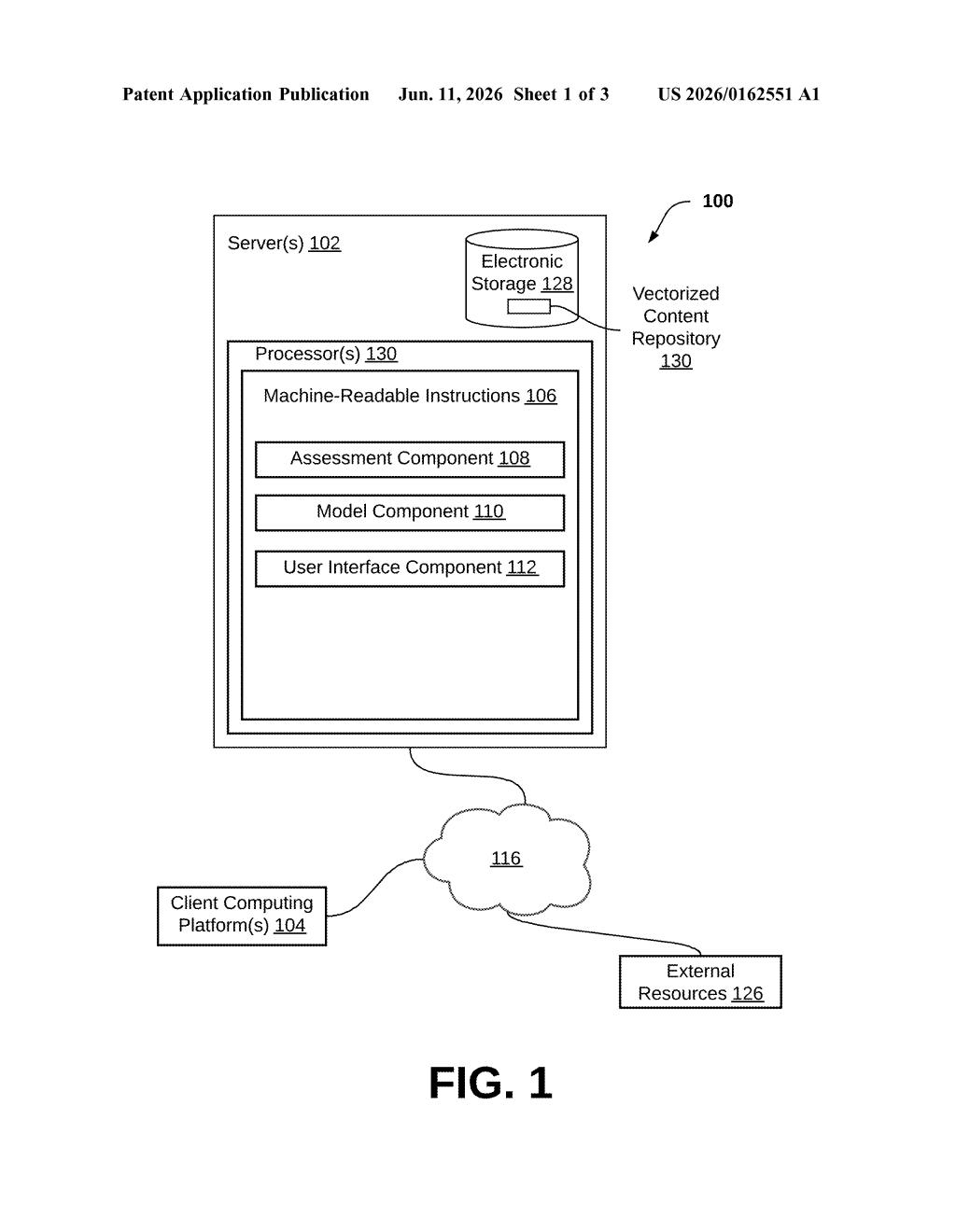
How Disney's interest-based AI tutoring system works
Imagine you're a kid who struggles with multiplication — but you're also obsessed with Marvel. Instead of a generic worksheet, your tutor gives you a lesson built around Avengers storylines, characters, and imagery. That's the core idea behind this Disney patent.
The system first gives you a short assessment to figure out which skills need work. It then looks up what kind of content you prefer — whether that's a Disney franchise, a genre, or a particular set of characters — and uses an AI model to build a custom lesson around that material. The lesson is designed to actually teach the skill, not just decorate it.
Vectorized content (think: a library of Disney-owned text, images, video, and audio that's been pre-processed so the AI can search it quickly) is what the system pulls from. Your preferences act like a filter, so the AI only draws from the stuff you actually like.
How the system matches skills gaps to franchise content
The system has three main moving parts working together.
First, it stores a user preference profile for each learner — essentially a record of which Disney content universes or franchises that person enjoys. This is called "first preference information" in the patent.
Second, it maintains a vectorized content repository — a database where Disney's media assets (text, images, video, audio clips) have been converted into numerical representations called vectors. Vectors let an AI model find and compare content quickly, the same way a search engine finds related articles. Content is grouped into "bodies" that share characteristics — think everything belonging to a single franchise or genre.
Third, a machine-learning model receives two inputs at once: (1) which skill the learner needs to improve, based on their assessment results, and (2) which content universe they prefer. The model is then prompted to:
- Pull relevant vectorized content from the matching franchise library
- Generate a new, original lesson using that content as raw material
- Return the lesson so it can be delivered to the learner
The patent doesn't name a specific AI model architecture, but the prompting-and-retrieval setup described is consistent with a retrieval-augmented generation (RAG) approach — where an AI generates text not just from its training data, but from a live document store it can search at query time.
What this means for Disney's education ambitions
For parents and educators, the practical promise here is obvious: kids (and adults) pay more attention to learning material when it's wrapped in something they already love. A system that can reliably map skill gaps to preferred content universes could make Disney a serious player in the edtech space, where engagement is the perennial problem.
For Disney, this is also a way to extract more value from its enormous library of intellectual property. Teaching reading with Disney-owned stories keeps learners inside Disney's ecosystem and could tie into subscription products. Whether that's a feature or a concern depends on your perspective — but it's clearly a strategic bet worth watching.
This is a genuinely clever use of Disney's biggest competitive advantage: owning an almost comically large library of beloved content. The technical implementation is fairly standard AI-retrieval work, but the strategic angle — using IP as a teaching engine — is sharp. If Disney builds this into a consumer product, it has a real differentiator that Netflix and generic edtech platforms simply can't replicate.
There are more where this came from
We read every patent application Big Tech publishes and send you the ones worth knowing. Plain English, free, every week.
Want this weekly breakdown for a company we don't cover? Patentlyze Pro →